Plastics, as an indispensable basic material in modern industry, come in a wide variety of types and have extensive applications. This article will systematically introduce the classification of major plastic materials globally and their specific uses, with a particular focus on the applications of various plastics in fields such as films, packaging, engineering, and optics. I. Polyolefin Plastics
I. Polyolefin Plastics
1. Polyethylene (PE) Series
Polyethylene is the largest-volume plastic type, and can be divided into the following categories based on density:
LLDPE (Linear Low-Density Polyethylene):
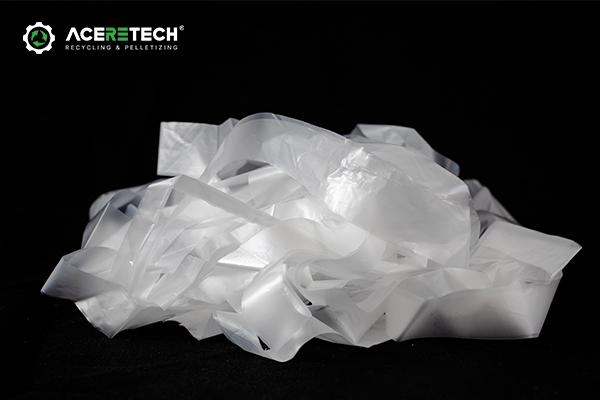
Film: High-strength stretch film, cling film, wrapping film, used for pallet packaging and agricultural covering
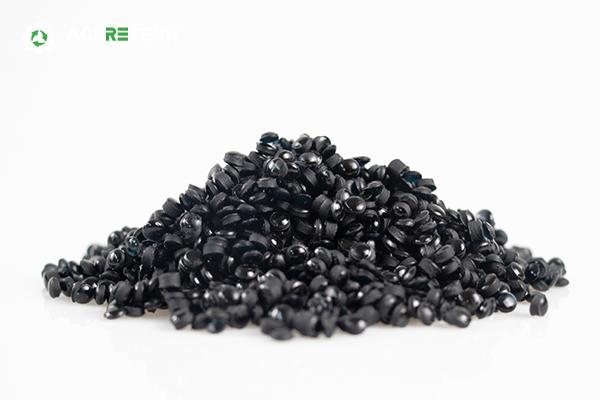
Crushed material: Recycled and re-granulated for the production of non-high-requirement products such as garbage bags and agricultural films
LDPE (Low-Density Polyethylene):
Film: Food packaging film, cling film, plastic bags, with excellent transparency and softness
Foamed EPE (Expanded Polyethylene): Made into cushioning material through foaming process, widely used in electronic products and furniture packaging
HDPE (High-Density Polyethylene):
Bottle flakes: Hollow containers such as milk bottles and shampoo bottles
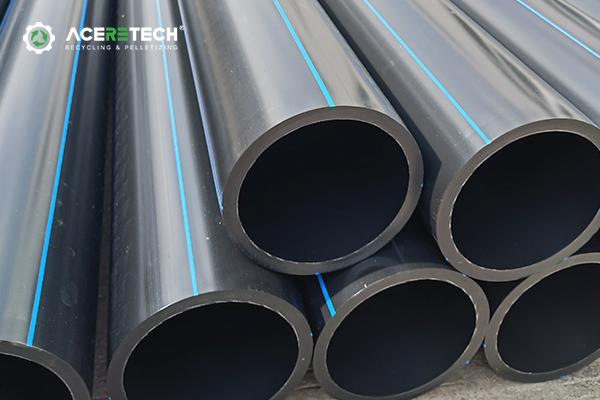
Pipes: Water supply and drainage pipes, gas pipes
Woven bags: Cement bags, fertilizer bags and other heavy-duty packaging
2. Polypropylene (PP) Series
PP/OPP/BOPP/CPP films:
BOPP (Biaxially Oriented Polypropylene): Mainly used for food packaging, label film, and tape base material
CPP (Cast Polypropylene): Used for retort pouches and inner layers of composite packaging
OPP (Oriented Polypropylene): Mainly used for packaging film and labels
Other forms:
Woven bags: Ton bags, geotextiles, higher strength than polyethylene woven bags
Non-woven fabric (melt-blown): Core filter layer of masks, medical and sanitary products
II. Polyamide Plastics
1. BOPA/PA6/PA66
Film:
BOPA (Biaxially Oriented Polyamide): High-barrier packaging film, used for food packaging such as meat products and cheese
Waste forms:
Waste fibers: Waste generated during the spinning process, can be recycled and re-granulated
Factory scraps: Edge scraps generated during processing
Carpet material: Nylon short fibers used in carpet production
Waste fabric: Waste from garment processing, can be re-spun into fibers

III. Polyester Plastics
1. PET/BOPET
Main forms:
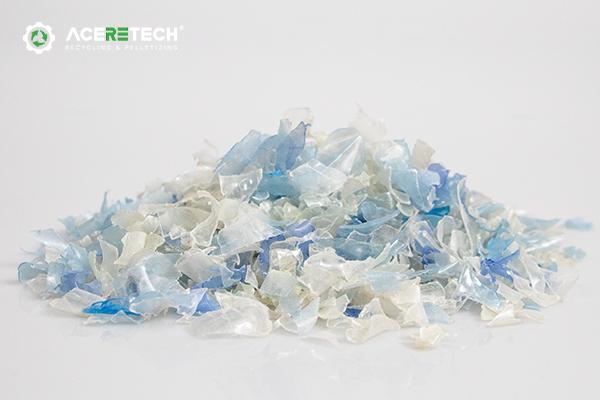
Bottle flakes: Recycled beverage bottle material, can be spun into fibers or remanufactured into bottles
Film: BOPET used for capacitor film, optical base film
Fiber: Polyester fiber, used in textiles
Waste fabric scraps: Waste from garment processing, recyclable
Foam: Foamed PET, used for cushioning packaging
Optical film: Brightening film, diffusion film for display screens
2. PTT fiber
Characteristics: Polytrimethylene terephthalate, characterized by good elasticity and wrinkle resistance
Uses: Elastic fibers, carpets, clothing fabrics
IV. Foamed Plastics
1. EPS/XPS
EPS (Expandable Polystyrene):
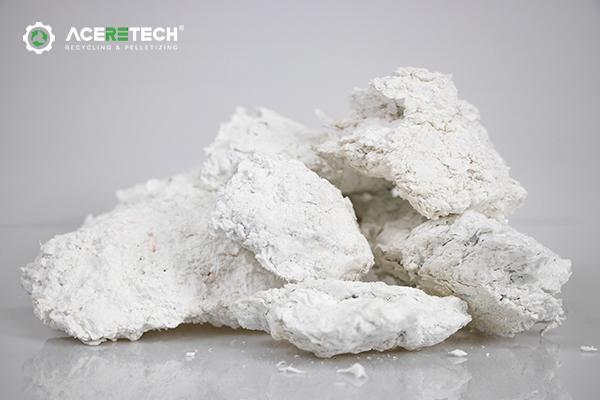
Crushed material: Recycled and regranulated for stationery, photo frames, etc.
Cold-pressed foam blocks: Compressed recycled foam, easy to transport
Hot-melt foam: Recycled material re-foamed products
Insulation board: Building insulation material
XPS (Extruded Polystyrene):
Insulation board: High compressive strength, used for wall and roof insulation
V. Engineering Plastics
1. HIPS/PC/ABS
HIPS (High Impact Polystyrene):
Appliance casings: Television sets, air conditioner casings
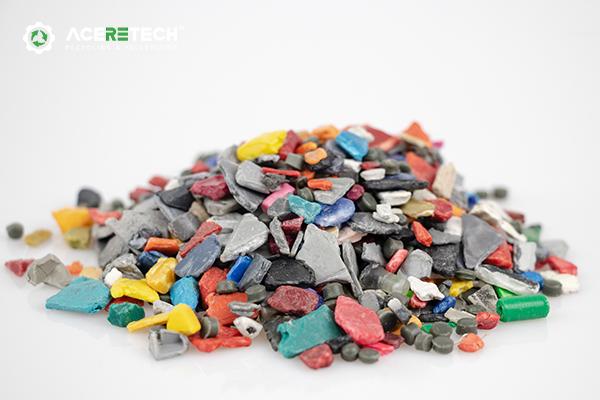
Electronic waste: Recycled material used for stationery, daily necessities
PC (Polycarbonate):
Optical materials: Eyeglass lenses, car lamp covers, CDs
Engineering products: Safety helmets, medical devices
ABS (Acrylonitrile-Butadiene-Styrene Copolymer):
Appliance casings: Refrigerator, washing machine panels
Engineering plastics: Automotive parts, electronic equipment casings
VI. Special Functional Plastics
1. PVB (Polyvinyl Butyral)
Crushed material: Recycled material used in the production of interlayer film
Automotive windshield interlayer plastic: Interlayer of safety glass, with adhesive and impact resistance
2. PU (Polyurethane)
Foam: Soft foam (sofas, mattresses), hard foam (insulation materials)
Elastomer: Shoe soles, seals
Coatings: Wood coatings, anti-corrosion coatings
3. APEL Optical Material
Characteristics: Amorphous polyester, high transparency
Applications: Optical lenses, display light guide plates, precision optical components
4. PVDF Functional Film
Characteristics: Weather resistance, chemical corrosion resistance
Applications: Solar cell backsheets, lithium-ion battery separators, building curtain wall films
VII. Plastics Related to Lithium Batteries
Lithium battery films: Including separators (PP/PE composite film), packaging films (aluminum-plastic composite film)
Recycling: Separation and reuse of plastic components from waste lithium batteries
Conclusion
Plastic materials are diverse and widely used, from everyday packaging to high-end optical materials, from building insulation to new energy batteries. Plastics play an irreplaceable role. With increasing environmental requirements, plastic recycling technology is constantly developing. Various types of plastic waste are being recycled through sorting, gradually achieving resource recycling and promoting the sustainable development of the plastics industry. Understanding the characteristics and uses of various plastics helps us to choose materials more scientifically and recycle them more effectively, contributing to environmental protection and resource conservation.