




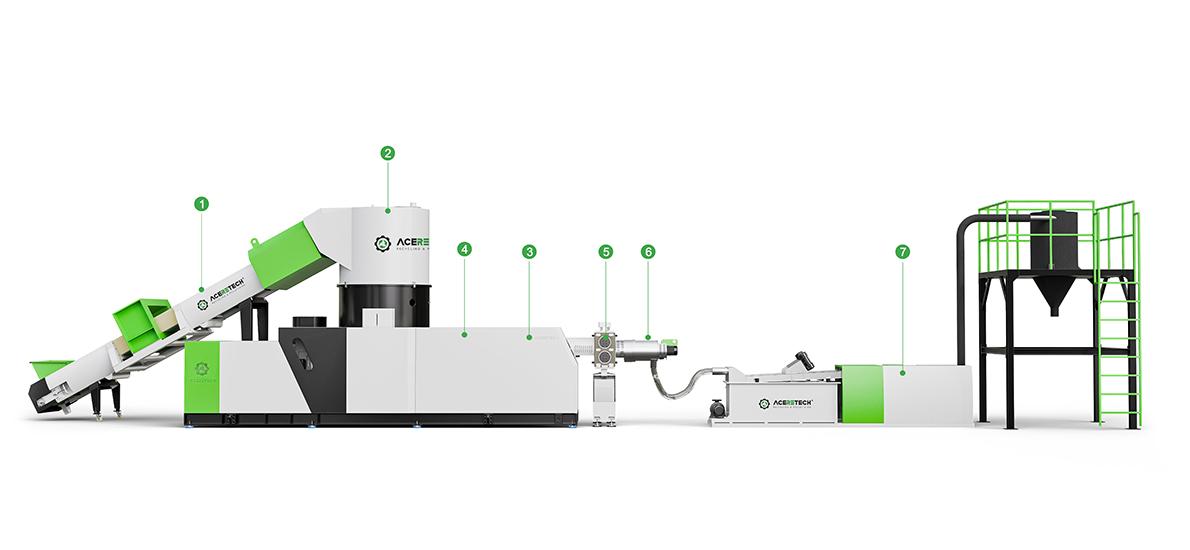
Automatic Feeding System
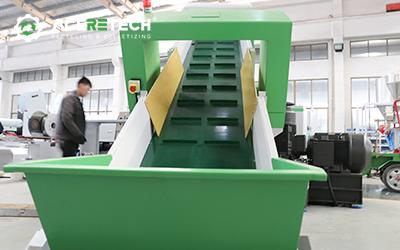
Automatic Feeding System
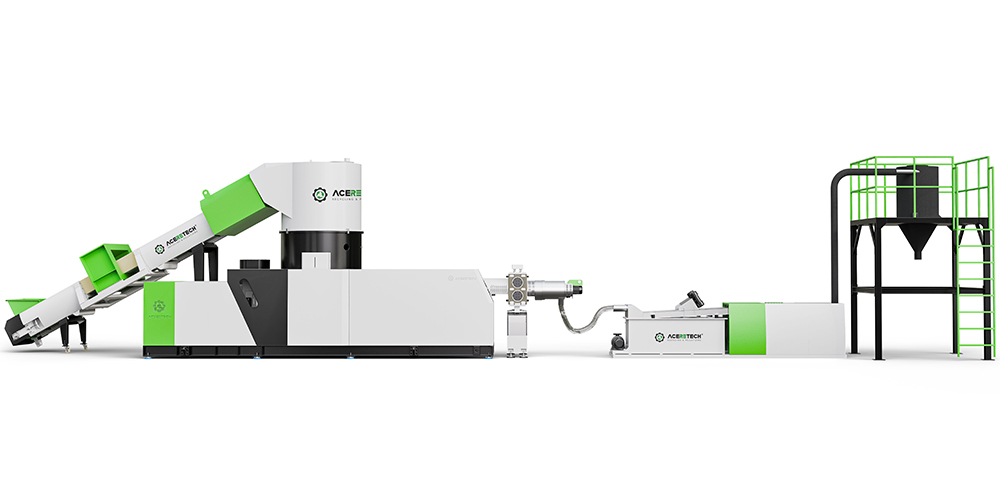
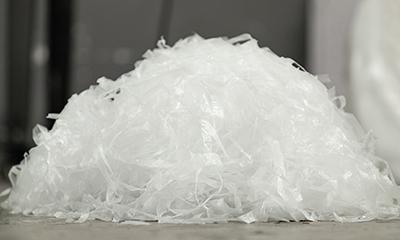
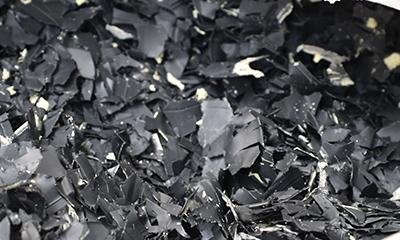
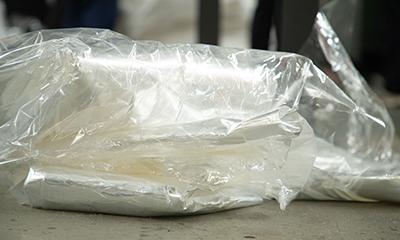
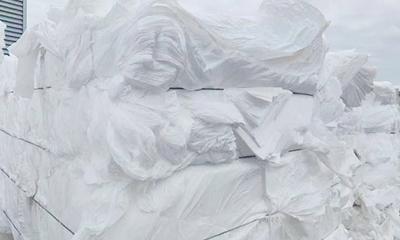
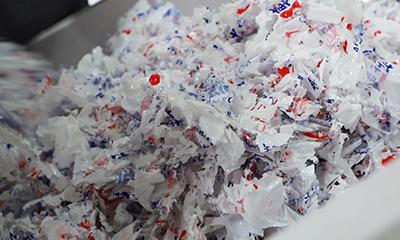
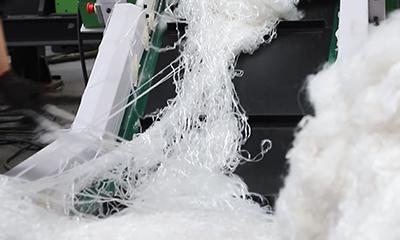
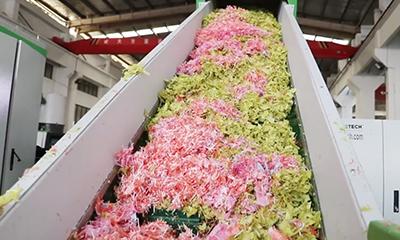
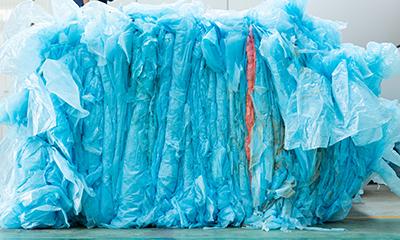
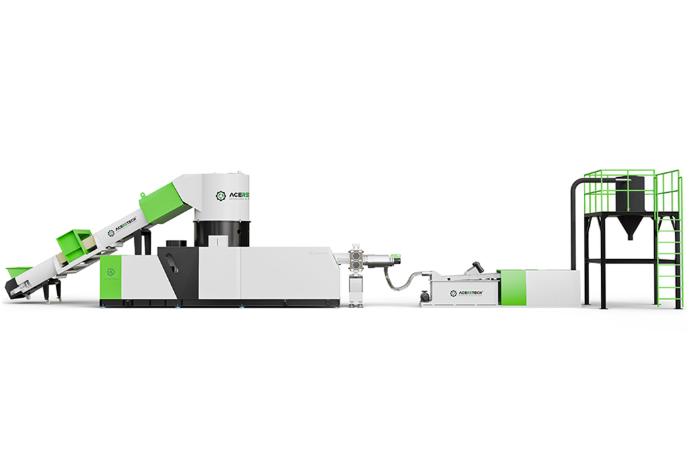
Plastic materials such as films, raffia, filaments, and woven bags are automatically conveyed into the cutter compactor through a belt conveyor system.
The feeding speed is automatically adjusted according to the material level inside the compaction chamber, ensuring continuous and stable material supply. For roll film recycling applications, a roll-off feeding device can be optionally equipped.
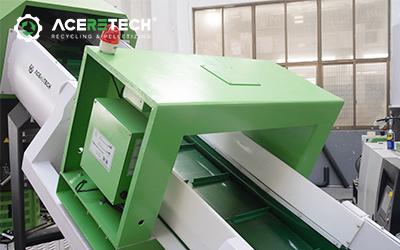
Metal Detection System
A metal detector can be integrated with the belt conveyor and connected with the control system.
When metal contaminants are detected in the incoming material, the system will automatically send an alarm signal and stop operation to protect the equipment from damage.
Cutting and Compacting System
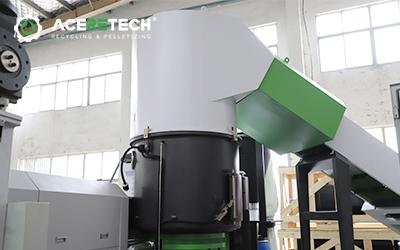
Cutting and Compacting System
The integrated cutter compactor is the core component of the ACS-H system. High-speed rotating blades work together with fixed blades to cut plastic materials into smaller flakes while generating frictional heat.
During this process, the material is pre-heated, partially dried, and compacted, increasing bulk density and improving feeding stability before extrusion. This design is especially suitable for lightweight and bulky plastic materials such as films and woven bags.
The compacting process significantly improves bulk density, making lightweight and bulky plastic waste easier to process.

Sliding Gate with Servo Motor
The servo-controlled sliding gate precisely regulates the residence time of materials inside the compaction chamber.
By controlling the material retention time, the system achieves effective pre-drying and compaction, ensuring stable and continuous feeding into the extruder.
The PLC-controlled feeding system automatically adjusts the material feeding volume according to production requirements, maintaining stable output capacity.
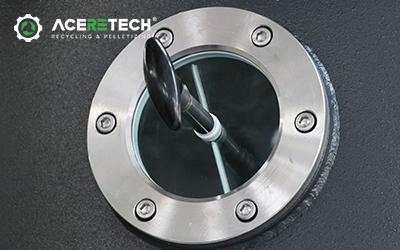
Inspection Window
The LED inspection lamp allows operators to monitor material distribution inside the compaction chamber and adjust feeding conditions easily, ensuring stable operation.
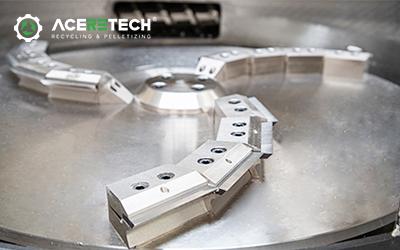
Compaction Chamber and Rotary Blades
The rotating blades on the knife disc and fixed blades installed on the chamber wall cut plastic materials into smaller flakes.
The friction heat generated during high-speed rotation pre-heats and dries the material, reducing volume and increasing material density.
The arc-shaped guide plates direct the compacted material into the extruder smoothly, ensuring stable feeding performance for low bulk density plastics.
Single Screw Extrusion and Plasticization
The optimized single screw extruder gently melts and homogenizes the compacted material, ensuring stable plasticization and uniform melt quality.
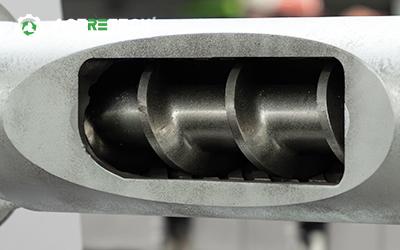
Single Screw Extrusion and Plasticization
The screw and barrel are manufactured with wear-resistant materials to provide reliable performance and long service life during continuous recycling operation.
Vacuum Degassing System
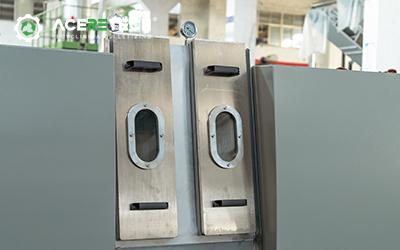
Vacuum Degassing System
The ACS-H system is equipped with dual-zone vacuum degassing as standard. The vacuum system effectively removes moisture, volatile substances, and low molecular weight compounds from the molten plastic during extrusion.
This improves melt stability, reduces defects caused by residual moisture and volatile components, and ensures consistent recycled pellet quality, especially when processing printed films and contaminated plastic materials.
Melt Filtration System
According to different material cleanliness requirements, ACS-H can be equipped with suitable filtration solutions to remove impurities from the molten plastic.
The filtration system helps improve pellet quality and provides flexibility for different recycling applications.
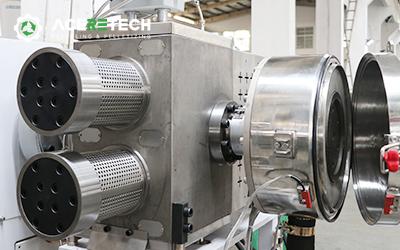
Standard Options:Non-stop Piston Type Filter
A single-plate or piston double-station screen changer can be installed at the extruder head.
For higher filtration requirements, a non-stop double-plate piston four-station filter is available.
Advantages:
• Large filtration area and long screen lifetime
• Reduced screen replacement frequency
• Quick and easy screen change without stopping production
• Lower operating cost
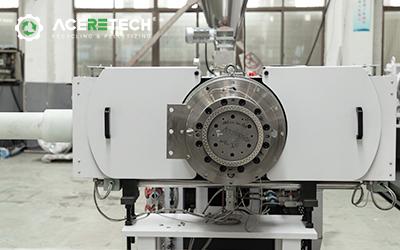
Standard Options:Plate Type Filter
The continuous plate-type filter uses two filter plates, ensuring that at least one filtration area remains active during screen replacement.
The ring-shaped heating system provides consistent and stable temperature control.
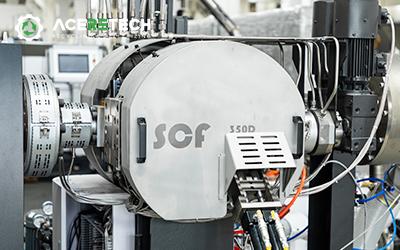
Optional Advanced Filtration Solution:Self-Cleaning Filter
The self-developed SCF self-cleaning filtration system enables continuous recycling extrusion without production interruption.
It is especially suitable for highly contaminated plastic waste.
The system can remove up to 5% contamination from the melt stream, including:
• Paper
• Wood
• Aluminum
• Unmelted plastics
• Rubber contaminants
Pelletizing System
ACS-H offers multiple pelletizing options according to customer requirements, including water-ring pelletizing, water-strand pelletizing, and underwater pelletizing.
The optimized pelletizing process produces uniform recycled pellets with stable shape and quality, suitable for reuse in various plastic production applications.
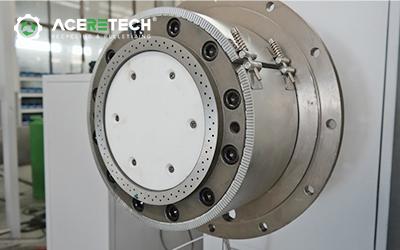
Die Head
Its core feature is that the die head surface does not contact with the cooling water directly. This design ensures that the die head temperature is uniform, and even if the output is low, the discharge can be maintained normally. Specially suitable for handling materials with low melt index.
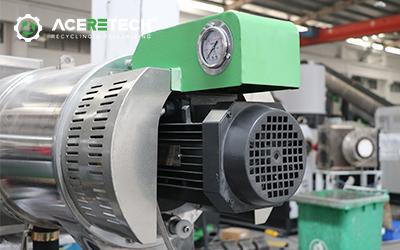
Water Ring Pelletizing System
The self-adjusting water ring pelletizing system ensures consistent pellet quality and long operating time.
Features:
• Automatic blade pressure adjustment
• Automatic blade speed adjustment according to melt pressure
• Fast and easy blade replacement without additional adjustment
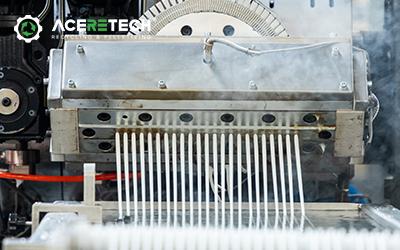
Strand Pelletizing System
The molten plastic strands are cooled and solidified in a water tank before being cut into uniform pellets.
This method provides gentle pelletizing conditions for different recycling applications.
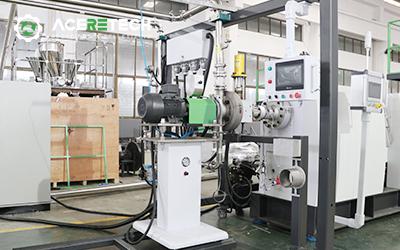
Underwater Pelletizing System
The underwater pelletizing system provides a highly automated pelletizing solution.
It is suitable for materials with high melt flow index and high production capacity requirements.
The system includes:
• Pelletizer
• Valve system
• Conveying pipeline
• Dewatering vibrating screen
• Storage silo
Cooling, Drying and Pellet Collection
After pelletizing, the recycled pellets are cooled, dehydrated, and transported to the storage silo through an integrated drying and conveying system.
The efficient drying process reduces residual moisture and ensures clean, dry pellets ready for packaging or direct reuse.
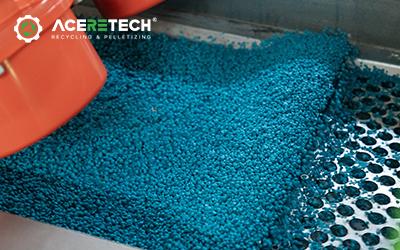
Vibration Sieve +Centrifugal Dryer
The advanced dewatering vibration sieve combined with horizontal centrifugal drying provides efficient pellet drying performance with reduced energy consumption.
The sieve plates are fixed by screws instead of welding, making future replacement and maintenance easier.
Packing System
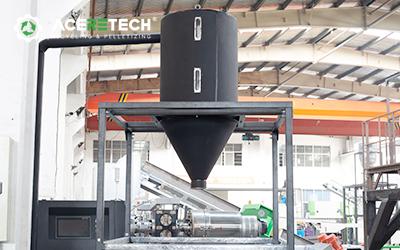
The qualified recycled pellets are collected and stored in the product silo.
The drying system ensures low moisture content, while the online capacity monitoring and quantitative weighing system provide accurate production measurement and efficient packaging.
Intelligent Control System
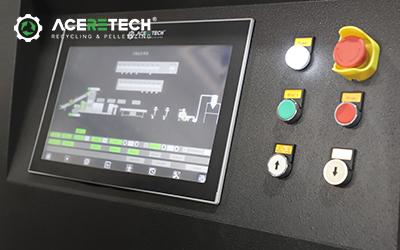
The ACS-H system is equipped with an intelligent PLC control system for automatic operation and process monitoring.
Remote Monitoring and Data Transmission
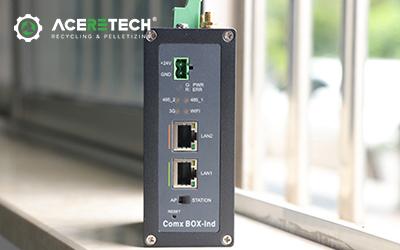
The ACS system can be equipped with remote monitoring and information transmission functions.
The system supports remote program monitoring and Bluetooth communication, enabling convenient equipment management and technical support.
Intelligent Start and Stop Control
The intelligent control system provides one-button operation.
• Intelligent Start:
All machine modules automatically start according to the preset sequence and material processing requirements.
• Intelligent Stop:
Each module can be safely stopped through a coordinated shutdown process.
• Emergency Stop:
Emergency stop functions are available to ensure operator safety during unexpected situations.
European Standard Electrical Control Cabinet
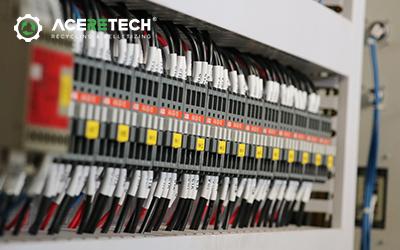
The electrical control cabinet is designed and manufactured according to European standards, featuring professional wiring, clear layout and reliable protection design. High-quality electrical components and standardized assembly processes ensure safe, stable and efficient equipment operation with reduced maintenance requirements.