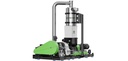
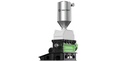
Friction Granulation Production Line (PET/PA Fabric / Fiber / Filament Recycling Solution)
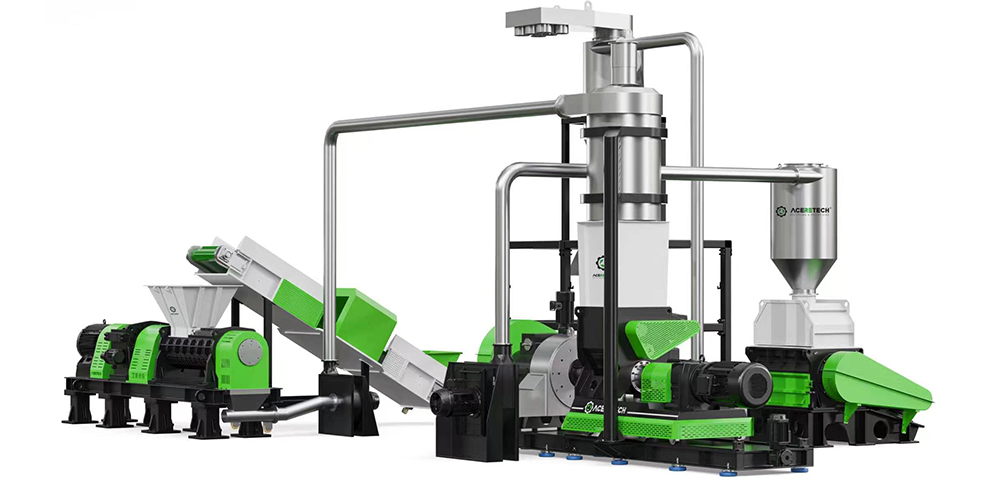
Addressing the challenges associated with recycling lightweight, flexible, and highly entangled materials—such as PET and PA fabrics, fibers, and filaments—ACERETECH introduces its highly efficient Friction Agglomeration Pelletizing Line. Through an integrated solution encompassing disc shredding, friction agglomeration, crushing, and automated packaging, this system achieves the efficient transformation of loose waste materials into high-density pellets.
This system is particularly well-suited for processing difficult-to-handle materials, including textile waste, industrial fiber scraps, nylon filaments, and PET fabrics. Boasting advantages such as high throughput, low energy consumption, stable operation, and a high degree of automation, it empowers customers to significantly enhance their recycling efficiency while simultaneously reducing transportation and storage costs.
What is a Friction Agglomeration Pelletizing Line?
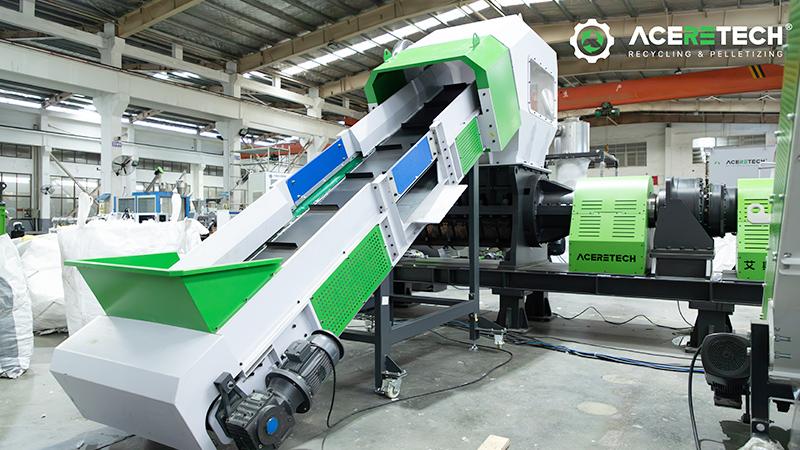
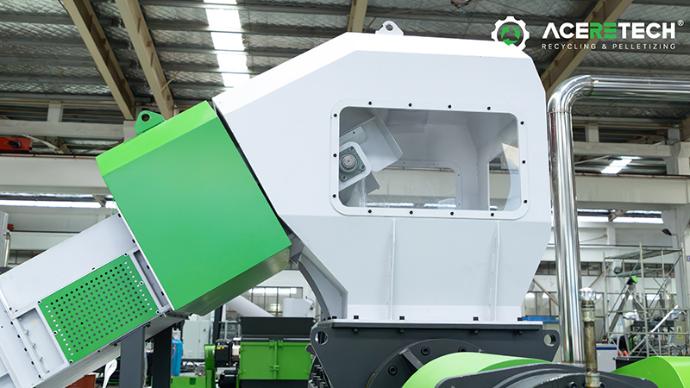
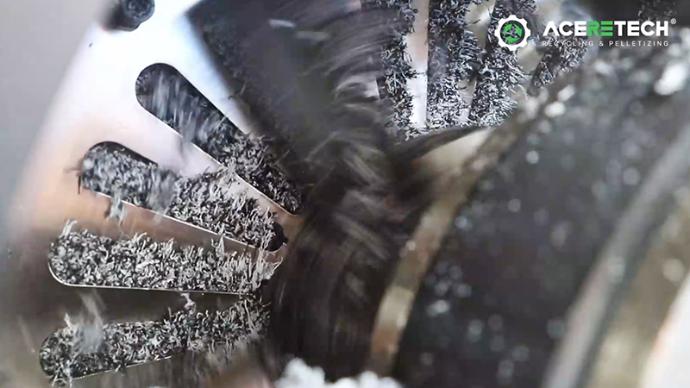
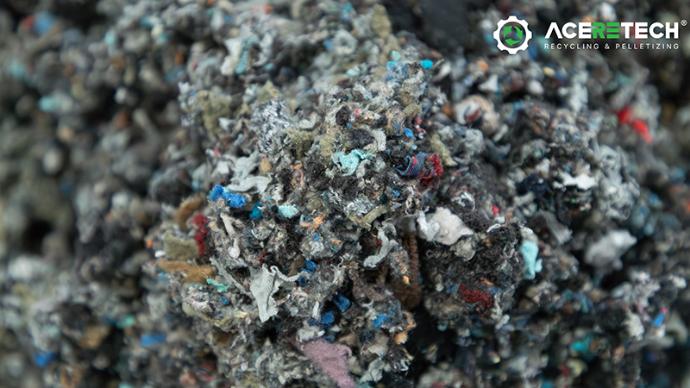
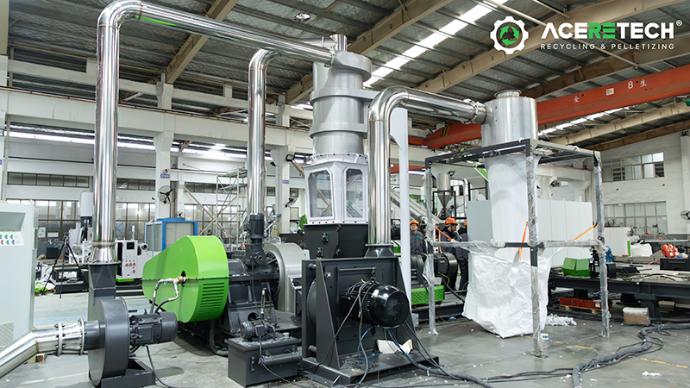
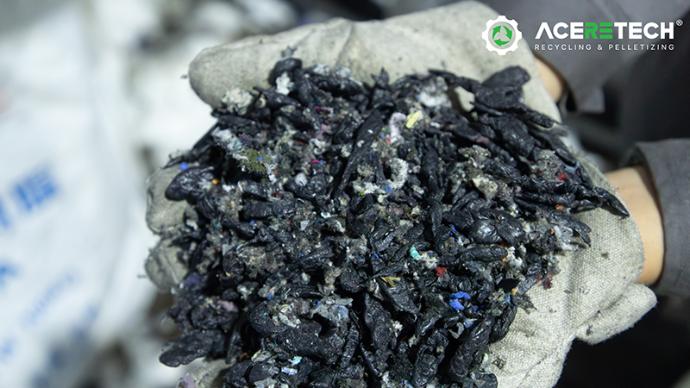
A Friction Agglomeration Pelletizing Line is a specialized recycling system designed for the volume reduction and pelletization of lightweight, soft plastics and fibrous waste materials. By utilizing mechanical friction-generated heat—without the need for external heating sources—the system softens and agglomerates the materials, forming high-density pellets that are easy to transport, store, and reuse.
Compared to traditional thermal melting pelletizing systems, friction agglomeration technology offers the following advantages:
Lower energy consumption
Greater operational stability
Reduced risk of thermal degradation
Better suitability for processing fibrous materials
Higher Return on Investment (ROI)
Applicable Raw Materials
This production line is widely applicable to:
PET fabrics, PA (Nylon) fibers, filaments, industrial textile scraps, chemical fiber waste, woven fiber waste, non-woven fabric offcuts, and garment industry waste. It is particularly well-suited for materials that are highly entangled, highly voluminous, or difficult to compress.
Finished Product Results
Output Capacity: 500–600 kg/h (Specific output varies depending on the condition of the client's raw materials)
Finished Product Specifications
Pellet Size: 20 mm – 100 mm
Finished Product Advantages
Significantly increased bulk density
Reduced storage space requirements
Lower transportation costs
Enhanced efficiency in subsequent reprocessing
Facilitated automated packaging and sales
Main Line Configuration
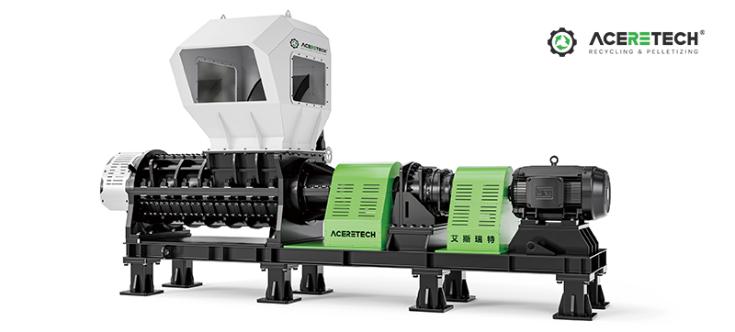
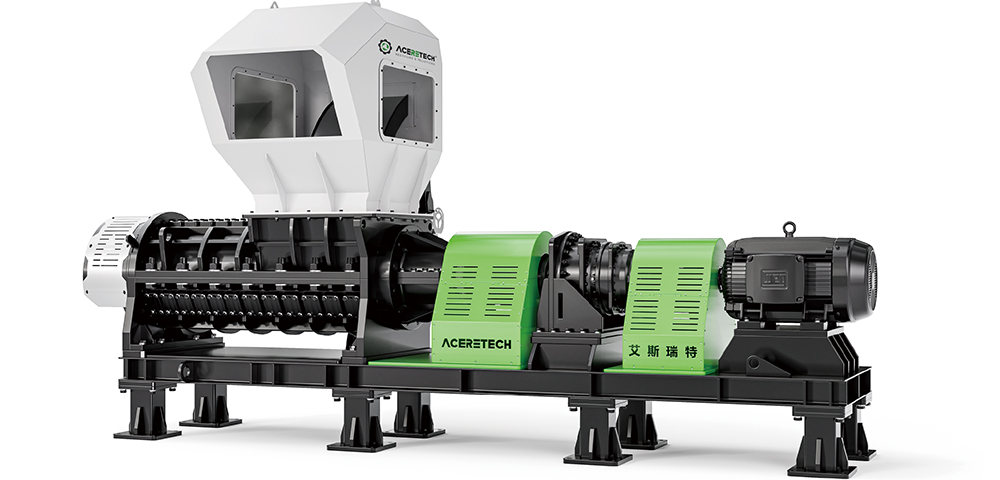
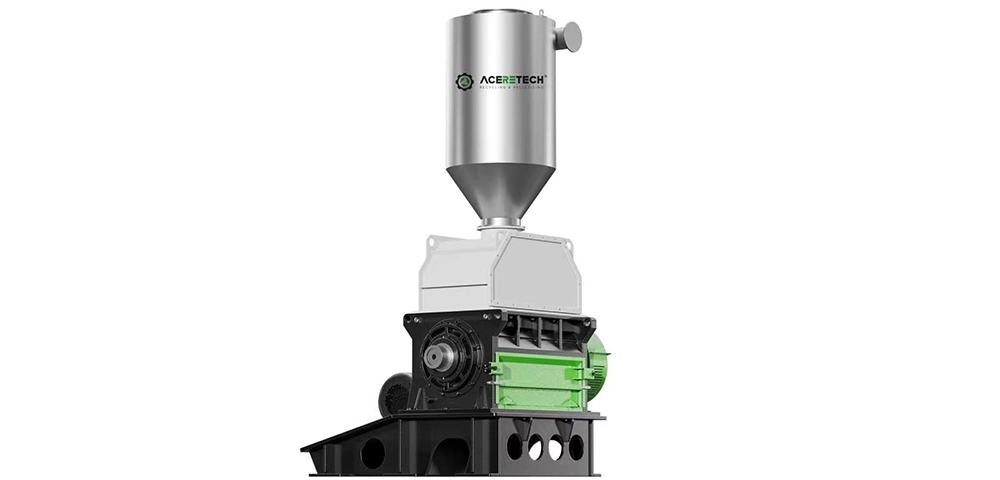
DTS Disc Shredder
Specifically designed for fibrous and textile-based materials, effectively resolving issues such as material entanglement, bridging, and clogging.
Key Advantages:
Specialized processing of long-fiber materials
Anti-entanglement design
Continuous and stable feeding
Reduced need for manual intervention
Enhanced overall system efficiency
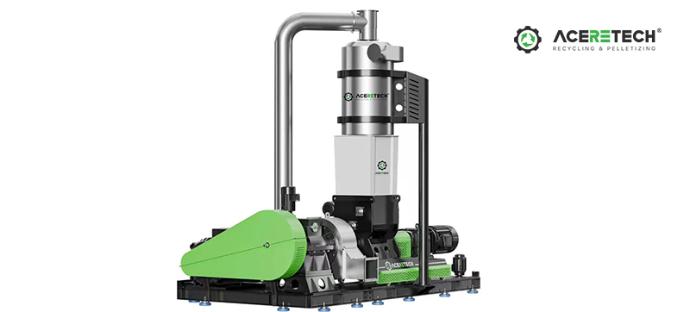
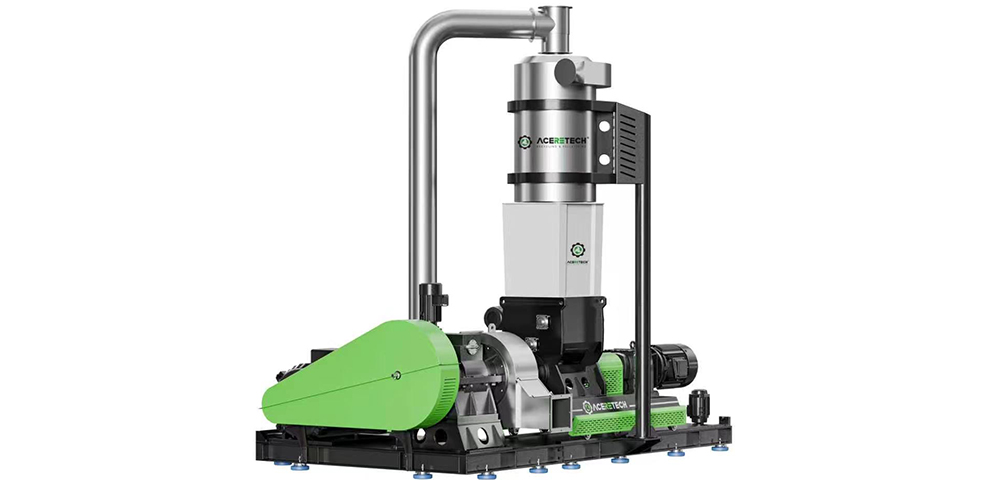
Friction Agglomerator
Serving as the core equipment of the entire line, it employs advanced friction agglomeration technology to achieve highly efficient material granulation.
Working Principle:
The core of friction agglomeration technology lies in its ability to generate heat solely through high-speed mechanical friction between an internal rotor and the material—without the need for external heating. This process softens the material to a state just below its actual melting point, facilitating instantaneous bonding. The material is then extruded through a die to form high-density granules. This technology effectively prevents material degradation issues often associated with traditional high-temperature melting processes.
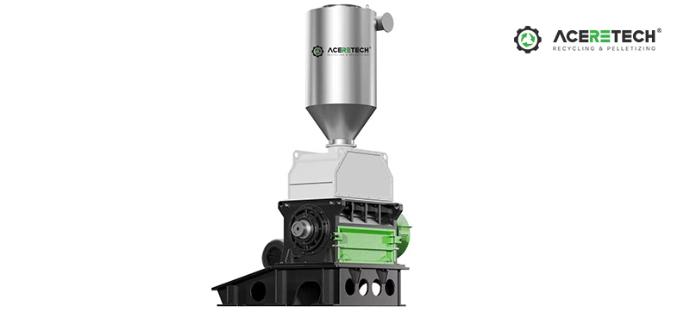
Crusher
Controls the size of the agglomerated blocks to ensure a uniform output of granules.
Key Features and Advantages:
Uniform particle size
High efficiency and stability
Wear-resistant blades
Convenient maintenance
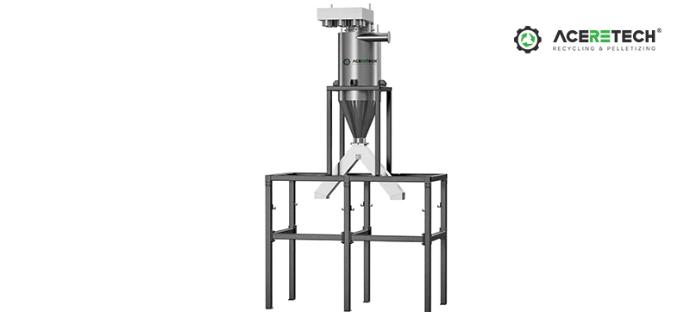
Packaging System
Enables the automated storage and packaging of finished granules, thereby boosting production efficiency.
System Features:
Automated storage
Automated packaging
Pneumatic switching modes
Reduced labor costs
Enhanced packaging efficiency
FAQ
Q1. What types of materials are suitable for processing on the friction granulation line?
A: It is primarily suitable for soft materials with high entanglement potential, such as PET fabrics, PA fibers, filaments, non-woven fabrics, industrial textile scraps, and waste nylon threads.
Q2. What is the difference between friction agglomeration technology and traditional hot-melt granulation?
A: Friction agglomeration does not require external heating; instead, it utilizes heat generated by mechanical friction to achieve material softening and agglomeration. Consequently, it consumes less energy and effectively prevents the material degradation issues that can occur during high-temperature processing.
Q3. Is the friction granulation line suitable for processing highly entangled fibrous materials?
A: It is highly suitable. Materials such as PET filaments, PA nylon fibers, and fabric scraps typically exhibit characteristics of high entanglement, high bulkiness, and difficulty in conveying. ACERETECH employs a DTS disc-type shredder for pretreatment, which effectively resolves issues related to entanglement, bridging, and material blockages, thereby ensuring the continuous and stable operation of the entire production line.
Q4. Can the granules produced via friction agglomeration be used directly for subsequent manufacturing?
A: Generally, yes. Granules produced through friction agglomeration possess a higher bulk density and a more stable morphology. They can be utilized directly in certain reprocessing applications—such as secondary extrusion or pretreatment prior to injection molding—or serve as a feedstock for downstream granulation systems, thereby enhancing overall recycling efficiency.
Q5. Is an auxiliary heating system required during equipment operation?
A: No, it is not. One of the core advantages of the friction agglomerator is that it requires no auxiliary electric heating; instead, it generates heat through high-speed mechanical friction, causing the material to soften and rapidly agglomerate into granules. This not only significantly reduces energy consumption but also mitigates the risk of material degradation—a common issue in traditional thermal-melt granulation processes caused by exposure to high temperatures.