I. The Ultimate Guide to Total Cost of Ownership (TCO) for Prospective Buyers
Abstract: When investing in plastic recycling line equipment, the initial purchase price is only part of the equation. What truly determines project profitability and return on investment is the total cost of ownership over the equipment's entire lifecycle. This article will provide an in-depth analysis of the seven core elements that constitute TCO and offer a clear evaluation model to help you see through the price fog and make the most forward-thinking investment decisions.
II. Introduction: Why is TCO More Important Than the Price Tag?
When planning to build or upgrade a plastic recycling plant, it's easy to fall into the trap of focusing solely on price when faced with a wide array of equipment suppliers. A seemingly inexpensive piece of equipment might become a major drain on your profits in the future due to high electricity costs, frequent repairs, and lengthy downtime.
Total Cost of Ownership (TCO) is a more comprehensive and scientific evaluation framework. It includes not only the initial purchase price but also the costs throughout the equipment's entire lifecycle, from installation and operation to maintenance and eventual decommissioning. Understanding and calculating TCO is the crucial first step in ensuring the long-term, stable, and efficient profitability of your recycling business.
III. Core Components of TCO: In-Depth Analysis of Seven Dimensions
We will break down TCO into seven key components and analyze their impact on the total cost.
1. Initial Equipment Purchase Cost
This is the most straightforward cost, but it should never be considered in isolation.
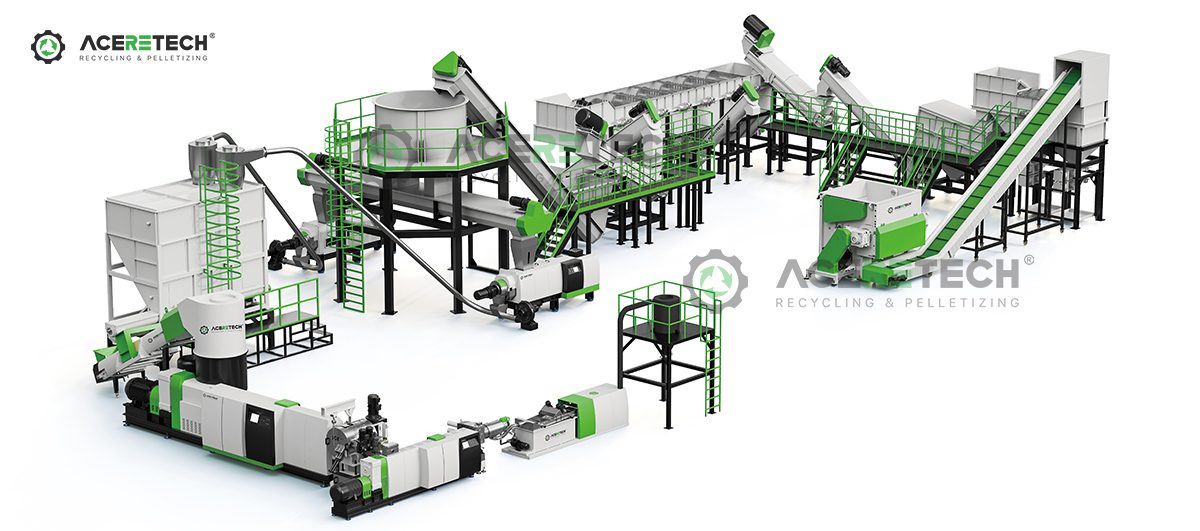
Equipment itself: Includes the price of core equipment such as shredders, crushers, friction washing machines, plastic granulators, and plastic extruders.
Supporting systems: Costs of auxiliary facilities such as control systems (PLC), water circulation systems, air compression systems, and dust removal systems.
Supplier selection: While well-known brands may have higher initial costs, they usually offer better technology, durability, and after-sales service, which may be more cost-effective in the long run.
Buyer's considerations: Does the price of this equipment match its technological content, material quality, and brand reputation? Does it include all necessary supporting systems?
2. Energy Consumption Costs
Energy is one of the largest ongoing expenses for a recycling plant and directly impacts operating costs. Motor Power: The total motor power of each piece of equipment (especially crushers and granulators) determines its basic energy consumption.
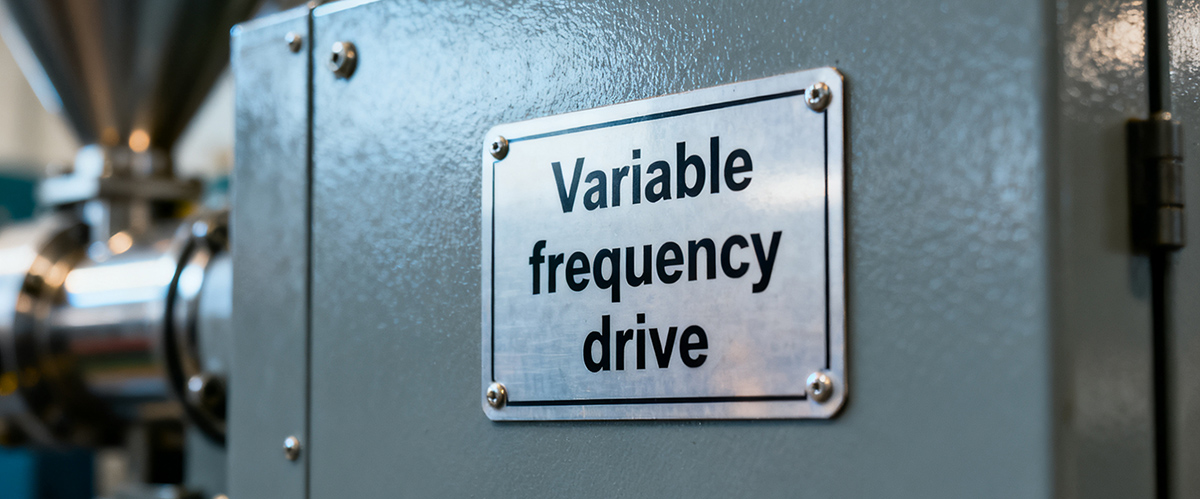
Energy Efficiency Rating: Equipment using energy-saving technologies such as variable frequency motors and high-efficiency heating elements can significantly reduce electricity costs. For example, an energy-efficient extrusion machine may save 15%-30% on electricity bills compared to traditional models.
Process Design: Optimized water circulation and heat recovery systems can significantly reduce water and heat energy waste.
Buyer's Consideration: I need to request detailed energy consumption data from the supplier (e.g., kWh/ton of finished product) and compare the long-term electricity cost differences of different solutions.
3. Repair and Maintenance Costs
"Prevention is better than cure," and regular maintenance is the best way to avoid high repair costs.
Regular Maintenance: Includes replacing lubricating oil, filters, cleaning equipment, and checking wear parts. This cost is relatively fixed but indispensable.
Unplanned Maintenance: Emergency repairs due to equipment failure are expensive and unpredictable. The reliability and reasonable design of the equipment directly determine the level of these costs.
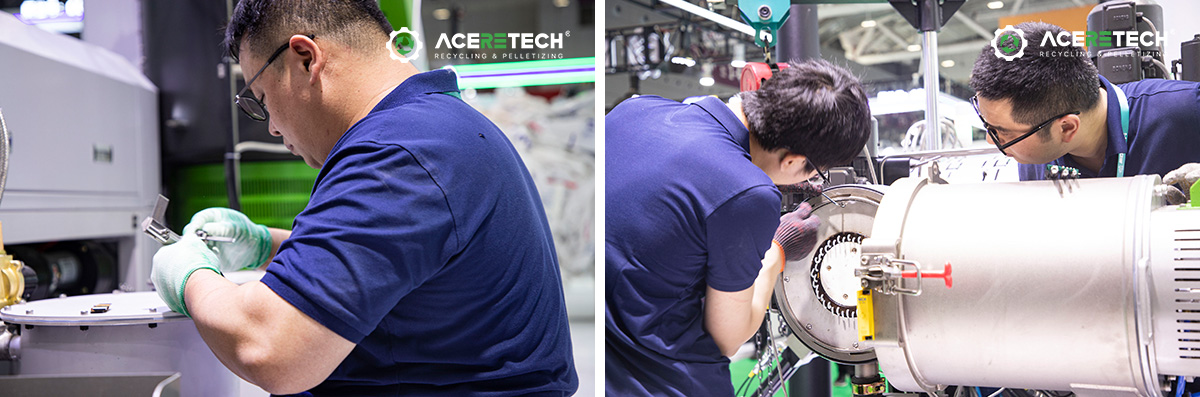
Maintenance Convenience: Modular design and easily removable parts can greatly shorten maintenance time and reduce labor costs.
Buyer's Consideration: Does the supplier provide a detailed maintenance manual and plan? Are the key components of the equipment easily accessible and maintainable?
4. Downtime Loss Costs
This is the most hidden but potentially most fatal cost. An hour of downtime means not only lost production but also damage to order reputation and customer trust.
Direct Losses: Inability to produce finished products during downtime leads to reduced revenue. The calculation formula is: hourly output × profit per ton of product × number of downtime hours.
Indirect Losses: Including idle wages paid to workers, additional labor costs for emergency repairs, and possible penalties for delayed delivery.
Buyer's Consideration: What is the average time between failures of the equipment? What is the supplier's after-sales response speed and spare parts supply capability? Can they guarantee production resumption within 24-48 hours?
5. Parts Replacement Costs
The replacement of wear parts is inevitable, and their cost and lifespan directly affect operational stability and expenditure. List of Consumable Parts: Blades, screens, bearings, seals, etc., are high-frequency replacement parts.
Original vs. Aftermarket Parts: Original parts are more expensive but guaranteed in quality; aftermarket parts are cheaper but may have a shorter lifespan or even damage the equipment. A balance of pros and cons is needed.
Supply Chain Stability: Can the supplier provide key spare parts reliably in the long term? Avoid prolonged downtime due to parts shortages.
Buyer's Considerations: I need a detailed list of consumable parts, their prices, and estimated lifespan. Are these parts generic or do they need to be exclusively purchased from the original manufacturer?
6. Equipment Depreciation Costs
Depreciation is an accounting concept, but it accurately reflects the loss of asset value.
Depreciation Period: Typically set at 8-15 years, depending on the equipment type and industry practice.
Salvage Value: The estimated remaining value of the equipment at the end of its useful life.
Calculation Method: A simple straight-line method calculates it as (Initial Purchase Cost - Salvage Value) / Depreciation Period.
Buyer's Considerations: What is the estimated lifespan of this equipment? Will its design and technology remain competitive in the next 5-10 years?
7. Transportation and Installation Costs
This cost is often overlooked, but it can be substantial for large, complete production lines.
Logistics Costs: Long-distance transportation from the factory to your site, and lifting costs.
Installation and Commissioning: Equipment entry, installation, foundation construction, piping connections, electrical wiring, and engineer commissioning costs.
Training Costs: Initial training costs for operators and maintenance personnel.
Buyer's Considerations: Does the quote include transportation and installation services? How long will the installation period take?
IV. TCO Evaluation Model: A Decision-Making Tool for Potential Buyers
To more intuitively compare different options, it is recommended that you create a TCO comparison table.
| Cost Item |
Supplier A's Proposal |
Supplier B's Proposal | Remarks/Calculation Basis |
| Initial Procurement Cost |
¥1,500,000 |
¥1,200,000 | Complete line quotation |
| Annual Energy Consumption | ¥ 300,000 | ¥ 400,000 | Based on an annual output of 3000 tons and an electricity price of 0.8 RMB/kwh |
| Annual Maintenance | ¥50,000 | ¥80,000 | Estimated by the supplier |
| Annual Downtime Loss | ¥20,000 | ¥60,000 | Assuming 10 hours of downtime per year for Solution A, and 30 hours for Solution B |
| Annual Parts Replacement | ¥40,000 | ¥55,000 | Based on wear parts list and lifespan |
| Annual Depreciation Cost | ¥100,000 | ¥80,000 | Based on 10-year depreciation, no residual value |
| One-time Transportation and Installation Fee | ¥80,000 | ¥70,000 | Included in the quotation |
| Total Annual Operating Costs (2+3+4+5+6) | ¥510,000 | ¥675,000 | |
| 5-Year TCO (1+7+5 years of operating costs) | ¥4,130,000 | ¥4,645,000 |
Conclusion: As can be seen from the table above, although Supplier B's initial quotation is lower, its TCO over a 5-year operating cycle is more than 500,000 yuan higher. This clearly demonstrates that choosing Supplier A is a more economically sound long-term decision.