I. What is a Plastic Recycling Machine and How Does It Work?
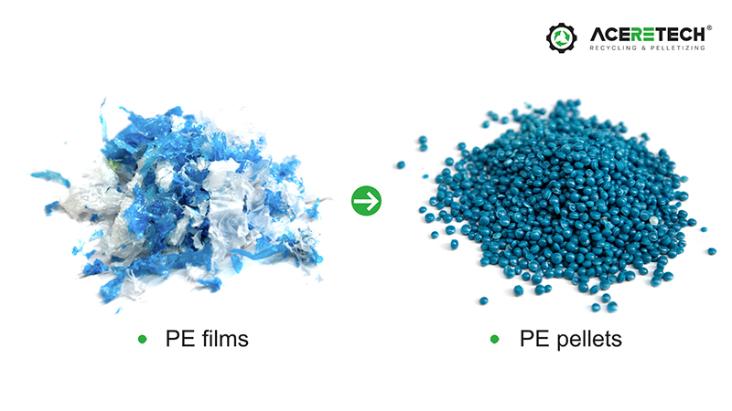
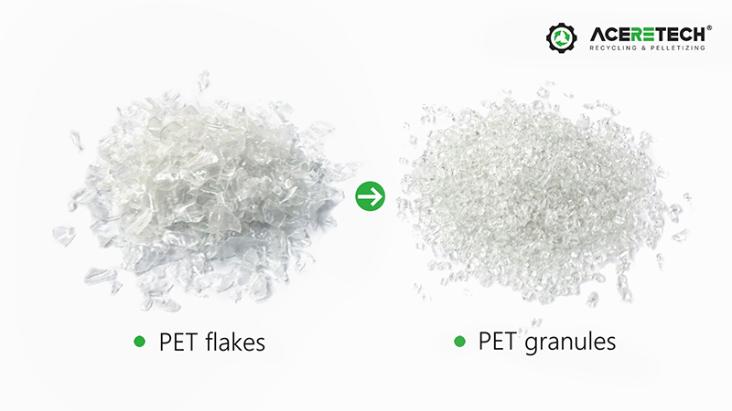
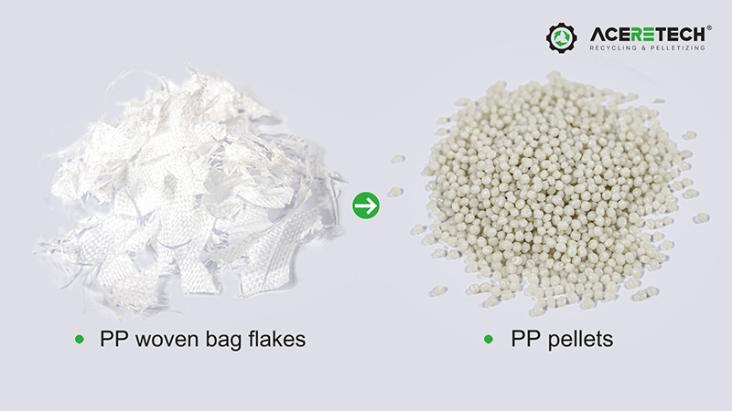
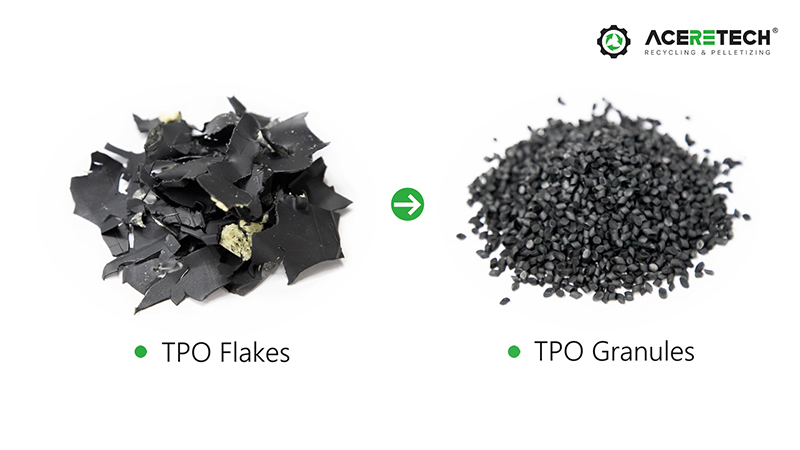
A plastic recycling machine is a complete system of equipment designed to transform waste plastics—such as films, PET bottles, rigid plastics, and more—into reusable granules. Its core operating principle involves a series of key steps—including shredding, crushing, washing, dewatering, and pelletizing—to achieve the efficient regeneration and utilization of plastic materials.
This process is widely applied in the fields of packaging, agriculture, daily chemical products, and industrial waste recycling, serving as a fundamental pillar for realizing a circular economy for plastics.
Watch ACERETECH Plastic Recycling Machine Factory Test Run Videos
II. The Complete Workflow of a Plastic Recycling Machine
Plastic recycling typically employs a modular process design; the standard workflow is as follows:
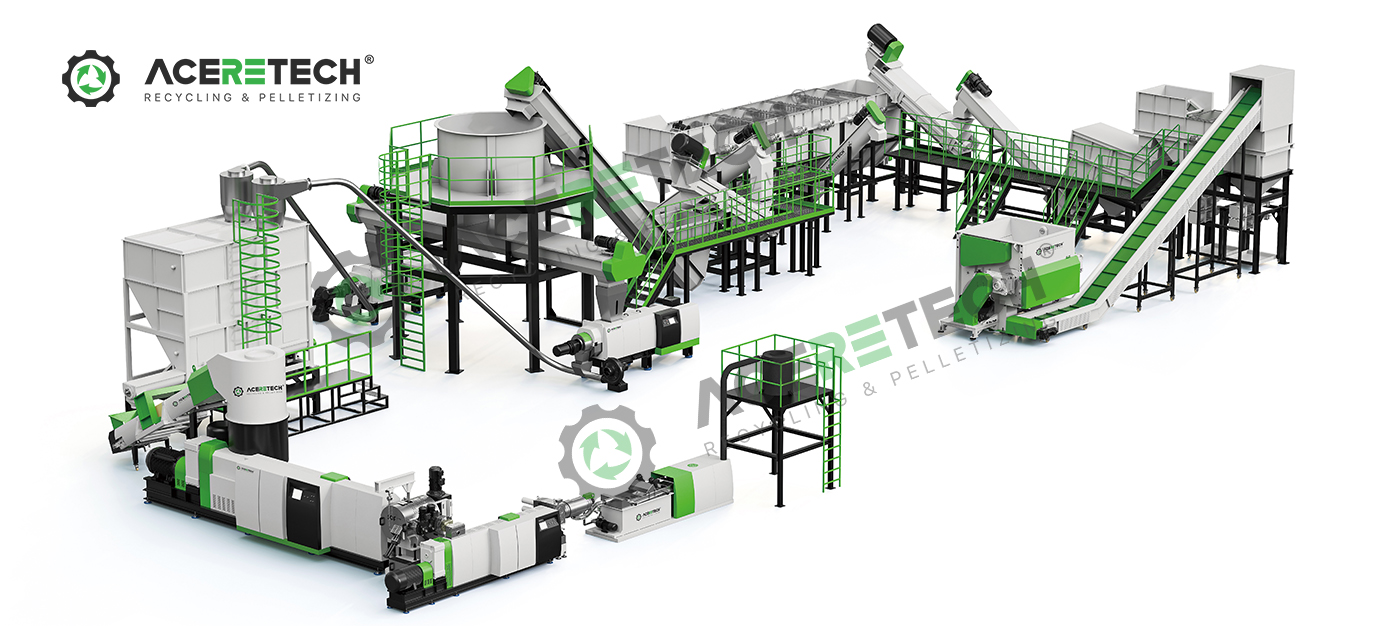
Large-volume plastic materials—such as bundled films, pipes, PET bottles, pallets, waste fibers, and extruder head scraps—are processed by shredders or crushers into small, uniformly sized fragments.
👉 Function:
Increases processing efficiency
Standardizes material size
Reduces equipment load and protects downstream systems
Through a combination of friction washing, rinsing, and float-sink separation, impurities such as sand, oil stains, and labels are effectively removed.
👉 Common Configurations:
Friction washer
Float-sink tank (Density separation)
Hot washing system (Suitable for highly contaminated materials)
3. Dewatering and Drying (Key to Quality Control)
Centrifugal dewatering machines or hot air drying systems are used to reduce the moisture content of the material, thereby providing stable conditions for the subsequent pelletizing stage.
👉 Key Functions:
Prevents the formation of bubbles and black spots
Enhances the quality stability of the granules
The plastic material is heated and melted within a screw extruder, then passed through filtration and pellet-cutting systems to produce uniform and stable recycled plastic granules.
👉 Output:
Directly usable in production processes such as film blowing, injection molding, extrusion, etc.
👉 Summary of the Plastic Recycling Process:
Shredding/Crushing → Washing → Dewatering → Pelletizing
III. Differences in Recycling Processes for Various Plastics
Different types of plastics impose varying requirements on equipment and processes during recycling:
Films (LDPE/HDPE): Prone to tangling; require anti-tangling and compaction designs.
PET Bottles: Require label removal and hot washing treatments to enhance purity.
Rigid Plastics (PP/HDPE): High material strength; demand more robust crushing equipment.
IV. Key Factors Influencing Plastic Recycling Efficiency
Equipment Configuration: Different materials require specific combinations of equipment.
Raw Material Contamination Level: Higher contamination levels impose stricter requirements on the washing system.
Process Parameter Control: Such as temperature, rotational speed, filtration precision, etc.
👉 Optimizing these factors can significantly boost output and granule quality.
V. Why Pelletizing is a Critical Step in Plastic Recycling
Pelletizing is the most pivotal step in plastic recycling, as plastic granules represent the standard raw material form for all subsequent processing techniques.
👉 The Primary Value of
Pelletizing
:
Enhances material purity and stability.
Enables standardized production and sales.
Significantly boosts the market value of recycled plastics.
👉 Simply put:
Pelletizing
transforms "waste plastic" into "directly usable industrial raw material."
VI. Conclusion
A well-designed process workflow and appropriate equipment configuration are the keys to maximizing plastic recycling efficiency and product quality. Selecting a professional plastic recycling equipment solution—tailored to specific raw materials and production capacity requirements—is of paramount importance.
FAQ
Q1. What are the core steps involved in a plastic recycling machine system?
A: It primarily comprises four key steps: shredding, crushing, washing, and pelletizing.
Q2. Why is washing a mandatory step?
A: Washing removes impurities and contaminants, thereby enhancing the quality and stability of the recycled granules.
Q3. What is the function of pelletizing?
A: It converts irregular waste plastics into uniform granules, making them easier to process and reuse.
Q4. Are all plastic recycling processes identical?
A: The basic workflow remains consistent, but the specific equipment configurations and process details vary depending on the type of material being processed.
Q5. Does moisture content affect the granulation outcome?
A: Yes, it does. Excessive moisture content can lead to quality defects such as bubbles and black spots in the final granules.