Introduction
As global demand for sustainable packaging continues to rise, rPET sheet extrusion lines are emerging as a vital solution within the plastics recycling industry.
Advanced PET sheet extrusion machines enable the direct conversion of post-consumer PET bottle flakes into food-grade sheets, which are widely utilized in the field of thermoformed packaging. This process not only fosters the development of a circular economy but also generates substantial commercial value for businesses.
If you are considering investing in a PET sheet extrusion line, gaining a comprehensive understanding of its underlying technology and advantages is essential.
I. What is a PET Sheet Extrusion Line?
A PET sheet extrusion line is an industrialized system specifically designed to efficiently process PET materials—particularly recycled PET (rPET)—into sheets; it stands as one of the key pieces of equipment for achieving high-value recycling and utilization of plastics.
Utilizing advanced PET sheet extrusion machines, the resulting sheets find widespread application across numerous high-demand sectors, including food trays, thermoforming packaging, blister packaging, as well as disposable cup lids and food containers—areas where market demand continues to grow.
High-performance rPET sheet extrusion machines support the direct processing of 100% recycled PET bottle flakes. While ensuring excellent transparency, these machines also maintain stable mechanical and processing properties. This capability not only meets the rigorous standards required for food-grade packaging but also provides enterprises with a more competitive and sustainable solution.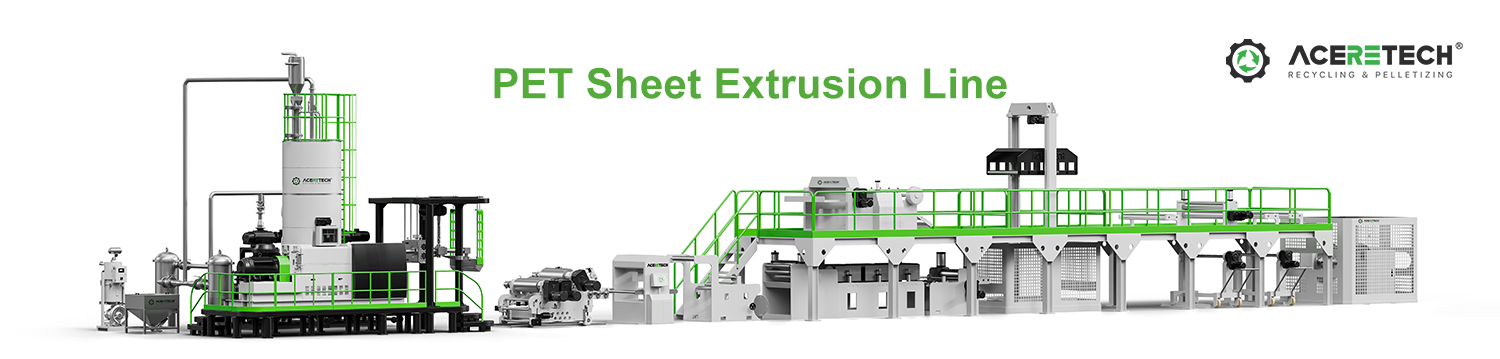
II. The PET Sheet Extrusion Process: From PET Bottle Flakes to High-Quality Sheets
The core advantage of modern PET sheet extrusion lines lies in their adoption of advanced "Direct Sheet Extrusion" technology, which enables the highly efficient conversion of PET bottle flakes into finished sheets.
▶ Typical Process Flow
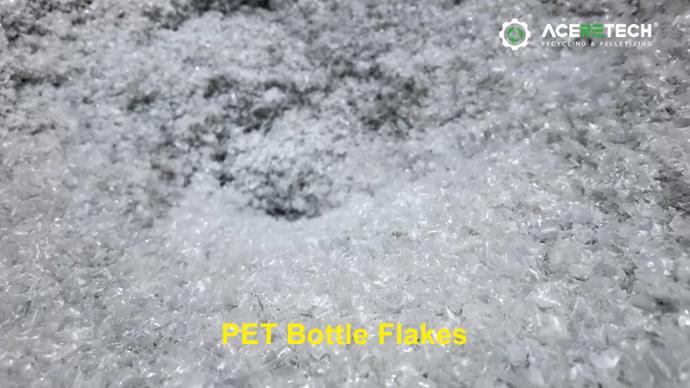
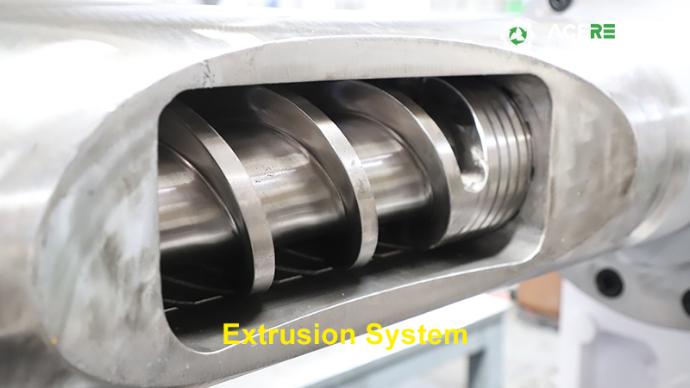
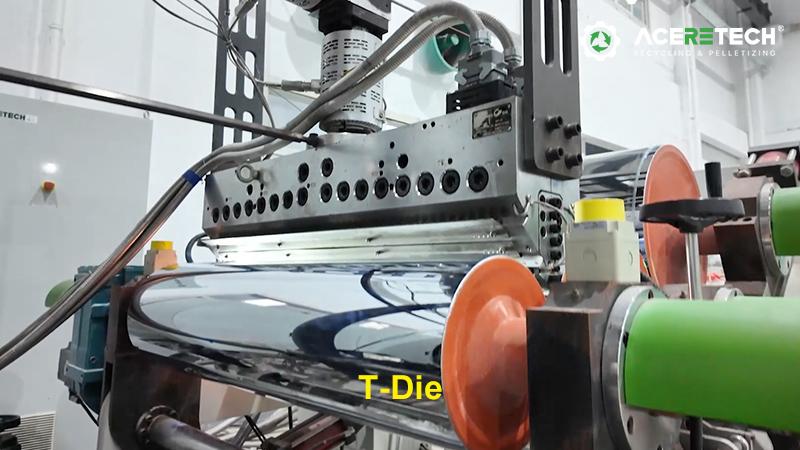
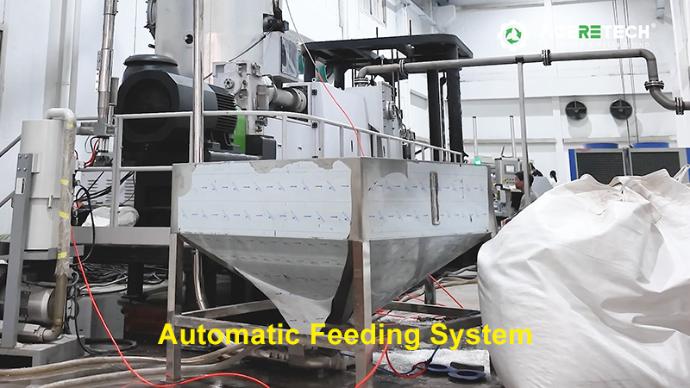
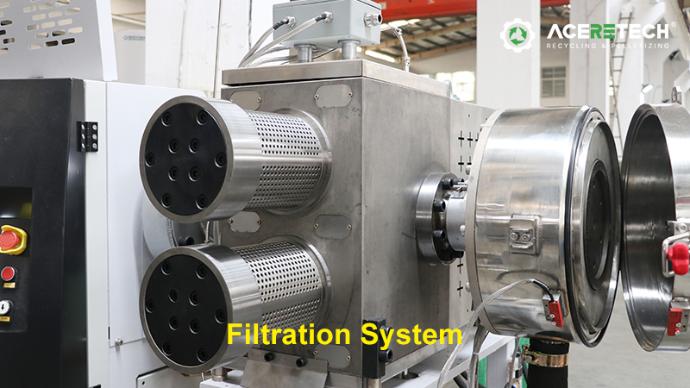
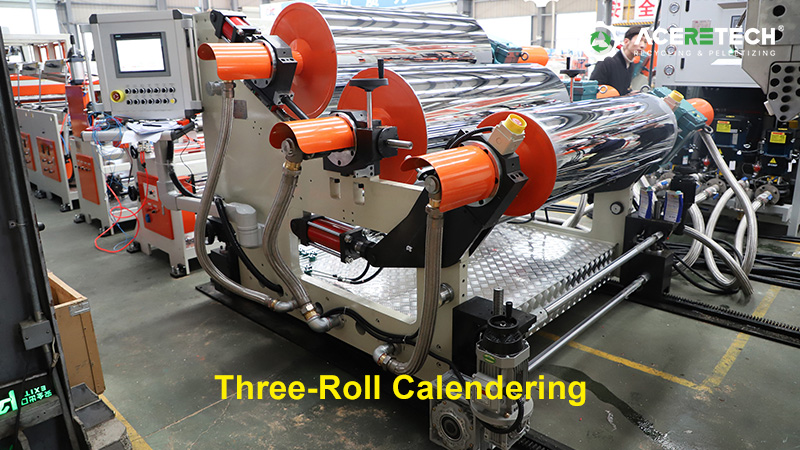
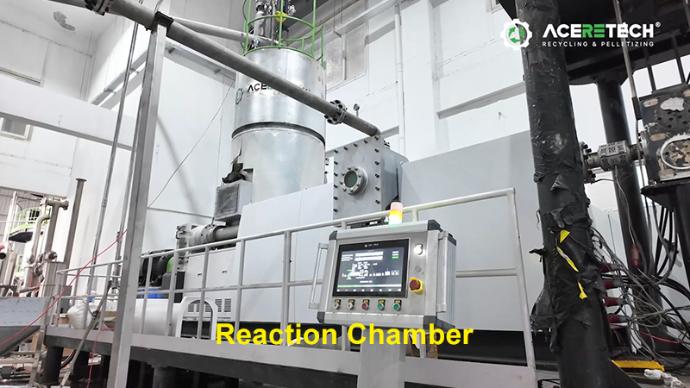
PET Bottle Flakes → Automatic Feeding System → Reaction Chamber → Extrusion System → Filtration System → Melt Pump → T-Die → Three-Roll Calendering → Winding System
▶ Core Equipment Components
A high-performance rPET sheet extrusion line typically comprises the following key units:
* Feeding System: Ensures stable and continuous material supply
* Reaction Chamber: Facilitates preheating, dehumidification, and deep decontamination
* PET Sheet Extruder: Uniformly plasticizes and melts the material
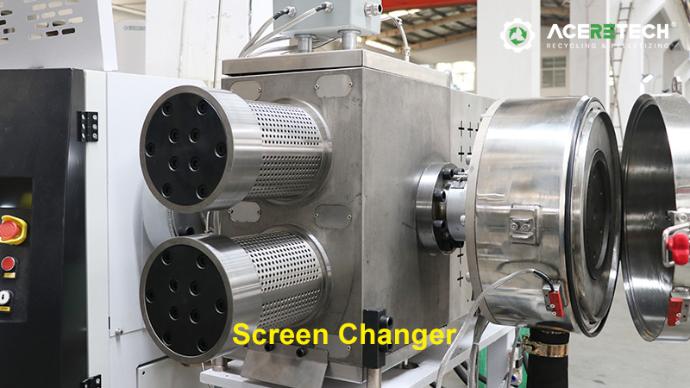
* Filtration System (Screen Changer): Efficiently removes impurities and enhances melt purity
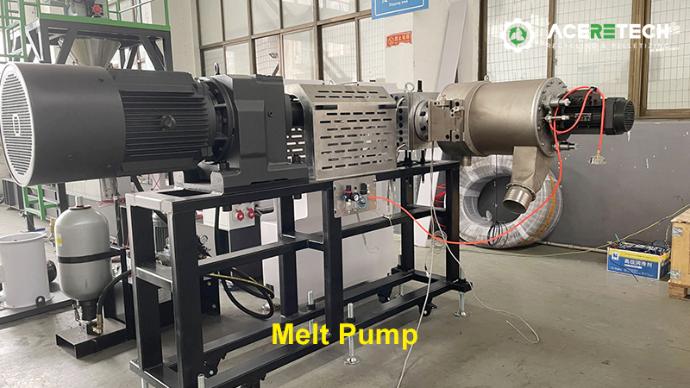
* Melt Pump: Stabilizes output pressure to ensure consistent sheet thickness
* T-Die: Enables uniform distribution and precise sheet formation
* 3-Roll Calender: Controls sheet thickness, flatness, and surface gloss
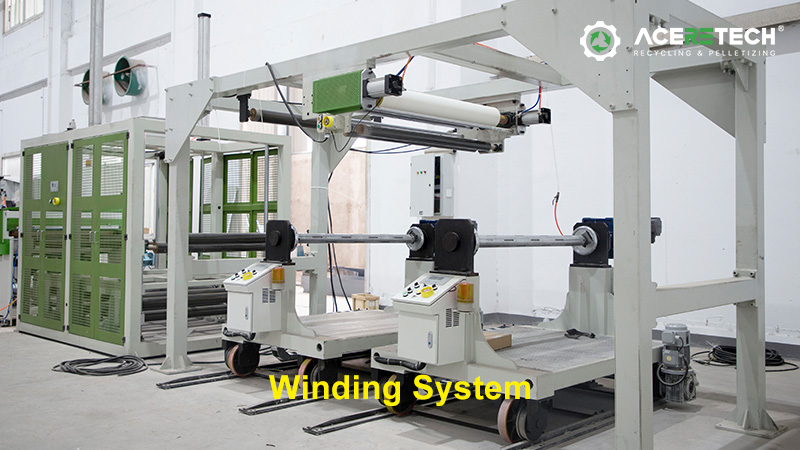
* Winding System: Achieves high-quality, automatic winding
▶ Core Process Advantages
This advanced process enables:
👉 Direct production of sheets from PET bottle flakes, eliminating the need for a separate granulation step.
👉 Significant simplification of the production workflow, thereby boosting overall efficiency.
Compared to the traditional "granulation + sheet extrusion" process, the advantages are even more pronounced:
Significantly reduced energy consumption (energy savings of 30%–45%).
Reduced thermal history, minimizing the risk of material degradation.
Enhanced production efficiency and line stability.
Lower equipment investment and operating costs.
III. Key Technologies for Food-Grade PET Sheet Extrusion
In the production of high-quality, food-grade PET sheets, an advanced PET sheet extrusion line relies on the synergistic support of several core technologies. These technologies not only determine the quality of the final sheet product but also directly impact equipment stability and return on investment.
1️⃣ Vacuum Degassing System
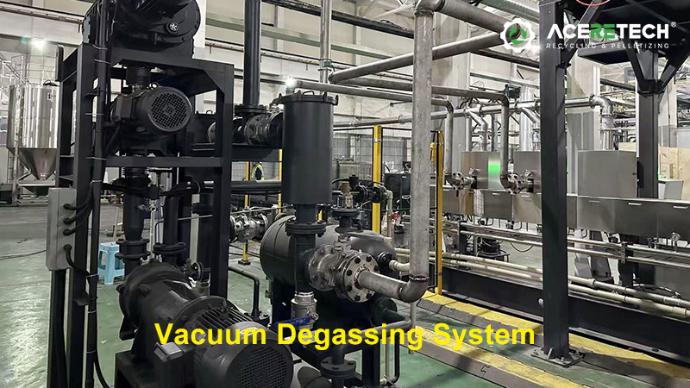
A high-performance PET sheet extruder must be equipped with an efficient vacuum degassing system to thoroughly remove moisture and volatile substances during the processing stage.
Its primary functions include:
Removing residual moisture and low-molecular-weight volatiles
Preventing defects such as yellowing and blistering in the sheet material
Significantly enhancing transparency and overall aesthetic quality
👉 It is one of the core technologies for producing food-grade rPET sheets.
2️⃣ IV Value Control System (Intrinsic Viscosity Control)
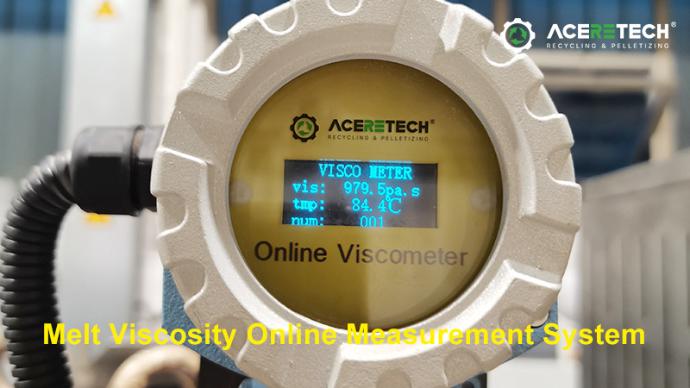
The IV value (Intrinsic Viscosity) is a critical metric for assessing the performance of PET materials, directly influencing the sheet's strength, toughness, and thermoforming properties.
Advanced rPET sheet extrusion lines are typically equipped with:
An online IV monitoring system
Automatic process parameter adjustment capabilities
👉 This enables real-time optimization of the production process, ensuring stable and consistent product performance.
3️⃣ Melt Filtration & Stability System
To guarantee the quality of the final sheet, high-end PET sheet extrusion lines are typically outfitted with a comprehensive melt processing system, including:
A continuous screen changer
A large-area precision filtration system
A melt pump (for pressure stabilization)
👉 This achieves the following key results:
A clean, impurity-free melt
Stable extrusion pressure
Uniform and consistent sheet thickness
4️⃣ Multi-layer Co-extrusion Technology (ABA Structure)
Modern PET sheet extruders support multi-layer co-extrusion structures (such as the ABA three-layer structure), optimizing costs while maintaining performance standards.
Typical Structure:
Outer Layers (A-layers): Virgin PET (to enhance surface quality)
Middle Layer (B-layer): Recycled PET (to reduce costs)
Core Advantages:
Effectively reduces raw material costs
Enhances the sheet's surface quality and finish
Optimizes thermoforming performance
👉 It is a key technological solution for high-end packaging applications.
IV. Core Advantages of rPET Sheet Extrusion Lines
✔ Single-step Sheet Extrusion: No need for separate pelletizing → Reduces equipment investment and energy consumption
✔ 30%–45% Energy Savings: Compared to traditional processes, it eliminates the need for crystallization and drying, resulting in lower energy consumption
✔ Supports 100% Recycled Material: High-quality rPET sheet extruders can achieve high transparency, negligible IV degradation, and stable processing performance
✔ High Automation Control: Modern equipment features PLC control systems, recipe management capabilities, and rapid changeover functionality
V. Key Application Areas for PET Sheets
Sheets produced via advanced food-grade PET sheet extrusion lines are widely utilized across numerous high-growth industries—particularly excelling in the field of sustainable packaging—thanks to their exceptional transparency, strength, and safety.
▶ Primary Application Scenarios
Food Trays: Suitable for meat, fruit, baked goods, etc., requiring high standards of transparency and safety
Thermoforming Packaging: Used for various types of custom packaging; widely applied in the food and consumer goods industries
Blister Packaging: Commonly found in packaging for electronics, hardware tools, and retail goods
Disposable Food Containers: Such as cup lids, meal boxes, etc., for which demand continues to grow
Medical Packaging: High-end applications with extremely stringent requirements for cleanliness and stability
▶ Application Advantages and Market Trends
Sheets produced using rPET sheet extrusion lines not only meet food-grade safety standards but also offer significant environmental and cost advantages:
Can partially replace virgin plastics, thereby reducing raw material costs
Complies with global environmental regulations and brand sustainability mandates
Supports 100% recyclability and circular economy initiatives
👉 The thermoforming industry has emerged as one of the fastest-growing sectors for rPET sheet demand, demonstrating immense growth potential—particularly within the food packaging and disposable consumer goods markets.
VI. Why Invest in an rPET Sheet Extrusion Line Now?
As the global plastics industry rapidly transitions toward sustainability, the investment value of rPET sheet extrusion lines is becoming increasingly evident.
▶ Key driving factors include:
Tightening Environmental Regulations: Governments worldwide are imposing increasingly stringent regulations on plastic packaging waste management, requiring enterprises to comply with food-grade and sustainability standards.
Growing Brand Demand for Eco-friendly Packaging: Major global brands across the food, beverage, and consumer goods sectors are actively championing circular packaging solutions.
Distinct Cost Advantages of Recycled PET Materials: Compared to virgin PET, rPET offers lower raw material costs while maintaining high quality standards.
▶ The Benefits of Investing in an rPET Sheet Extrusion Line
By selecting advanced PET sheet extrusion machines and complete production lines, enterprises can achieve the following:
Turning Waste into Profit: Transforming recycled PET flakes into high-value-added sheets.
Accessing High-Growth Packaging Markets: Meeting the demands of sectors such as food packaging, thermoforming, and blister packaging.
Enhancing Corporate Environmental Competitiveness: Building a sustainable supply chain and strengthening brand image.
👉 For enterprises looking to capture a leading share of the eco-friendly packaging market and boost their profitability, now is the optimal time to invest.
Other Related Articles
PET Bottle Washing Line
PET Bottle Flakes Pelletizing
FAQ
Q1. Can a PET sheet extrusion machine directly process undried PET bottle flakes?
A: Yes. Advanced PET sheet extrusion machines are typically equipped with a reaction chamber and a vacuum degassing system, allowing for simultaneous dehumidification and degassing during the extrusion process—thereby eliminating the need for traditional crystallization and drying steps. This not only simplifies the workflow but also significantly reduces energy consumption.
Q2. What are the advantages of an rPET sheet extrusion line compared to the traditional "granulation + sheet extrusion" process?
A: The rPET sheet extrusion line employs a "one-step" process, offering distinct advantages:
Reduced equipment investment (no need for a separate granulation system).
Lower energy consumption (savings of 30%–45%).
Streamlined production workflow.
Reduced risk of thermal degradation of materials.
👉 An ideal choice for manufacturers prioritizing high efficiency and superior quality.
Q3. What types of raw materials are suitable for a PET sheet extrusion machine?
A: A high-performance PET sheet extrusion line is capable of processing a wide variety of raw materials:
100% rPET bottle flakes
Crushed PET scraps (post-washing)
Virgin PET (APET)
Modified materials such as PETG
👉 Highly flexible, capable of meeting diverse market demands.
Q4. How can one ensure that rPET sheets meet food-grade standards?
A: Achieving food-grade standards hinges on the following key factors:
Efficient decontamination (via reaction chamber + vacuum system)
Stable IV value control
Precision filtration system
Compliant production processes (e.g., meeting FDA/EFSA requirements)
👉 Selecting a proven, food-grade PET sheet extrusion line is absolutely critical.
Q5. What is the typical return-on-investment (ROI) period for a PET sheet extrusion line?
A: The return-on-investment (ROI) period depends on several factors:
Raw material costs (waste bottles vs. virgin materials)
Product application (food packaging typically yields higher profit margins)
Production capacity/scale
Market demand
Generally speaking, an efficient rPET sheet extrusion line can recoup its investment within 1–2 years—or even sooner in regions with strong market demand.