Approximately 92 million tons of discarded clothing end up in landfills worldwide each year, with a recycling rate of less than 12%. As the world's largest producer and consumer of textiles, China generates over 26 million tons of waste textiles annually, but the current recycling rate is only about 20%. A large amount of polyester textile waste urgently needs effective treatment and resource utilization.
Raw material of pure PET
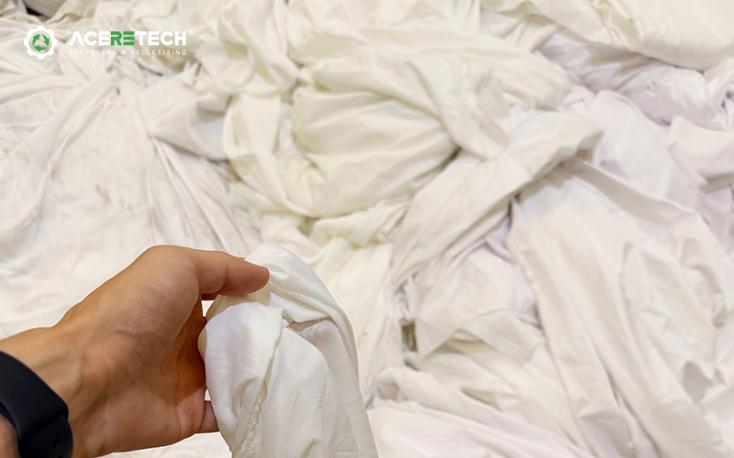
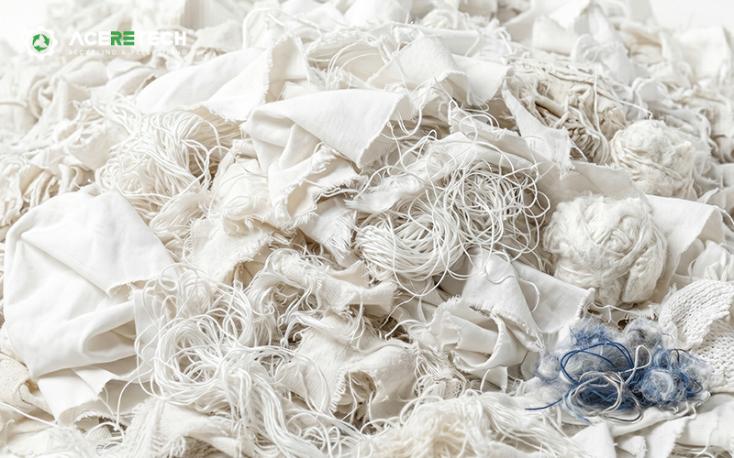
The core value of recycling and granulation of waste spun polyester lies in converting waste polyester fibers into recycled polyester chips that can be reused in production, achieving a resource loop from fiber to fiber. At present, this technological path is mainly divided into two categories: physical recovery method and chemical recovery method.
The chemical recycling method is regarded as a key direction to break through the bottleneck of high-value utilization of waste spun polyester. This technology takes BHET (dihydroxyethyl terephthalate) alcoholysis process as the core, and through three key steps of alcoholysis, refining and purification, and condensation, breaks down waste polyester into BHET monomers with a purity of up to 99.9%, and then re condenses them into high-quality recycled polyester chips. This "molecular level rebirth" technological path can effectively remove dyes, impurities, and cotton linen blended components. Even waste clothes such as dyed hoodies and cotton polyester blended jackets that are traditionally difficult to recycle can be converted into qualified raw materials, and the performance of recycled fibers can be comparable to that of virgin polyester.
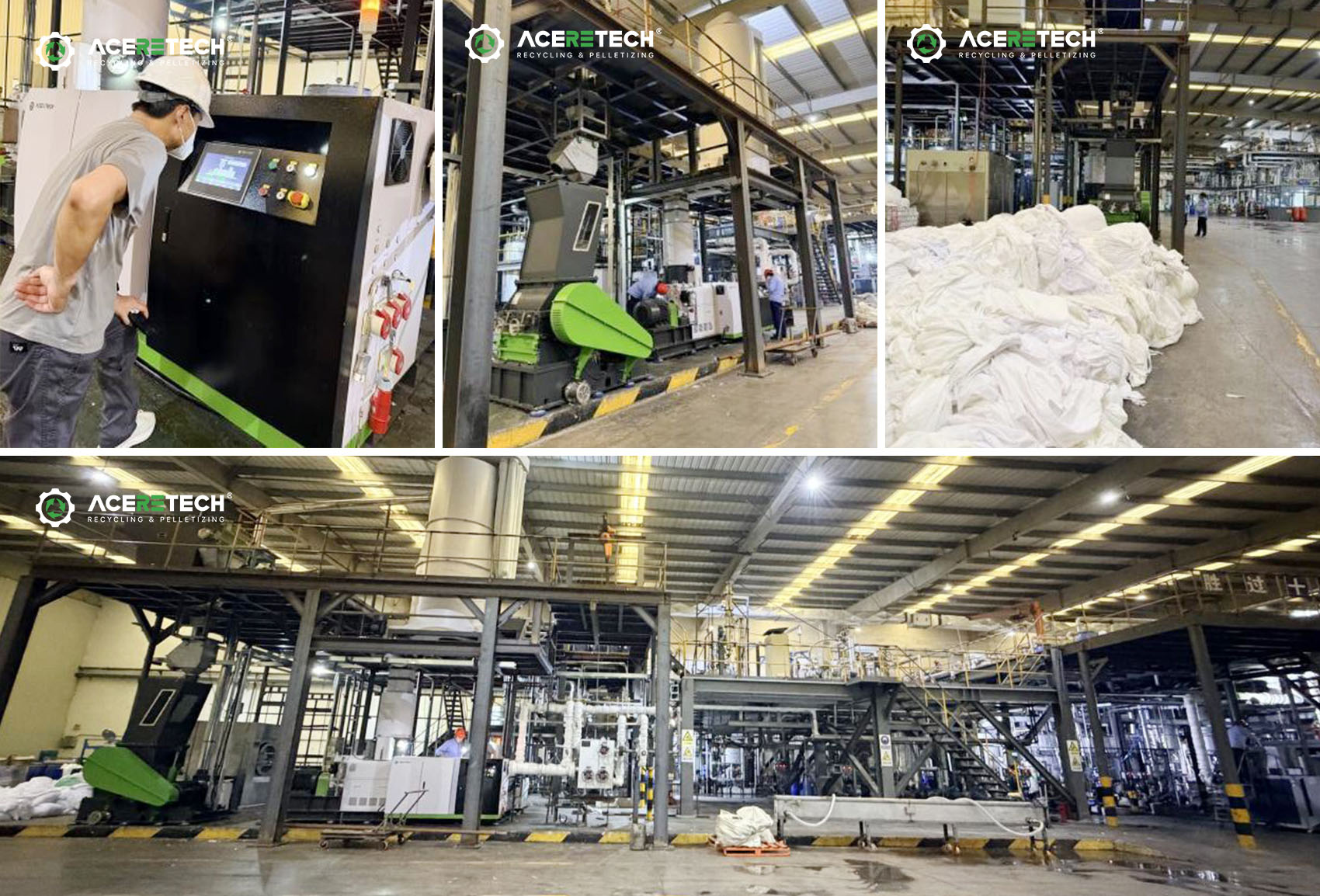
The traditional physical recycling method adopts the "Shredder Extrusion and IV increase and Cutting" process, which has a simple process flow and is widely used in the production of low value-added products such as filling materials and geotextiles. However, physical methods can easily lead to polymer chain breakage during repeated melting processes, resulting in a decrease in the strength of regenerated fibers and ineffective removal of dyes and blended components such as cotton and linen. So pure polyester textiles are needed as raw materials. Use LSP or SSP devices at the end to increase viscosity.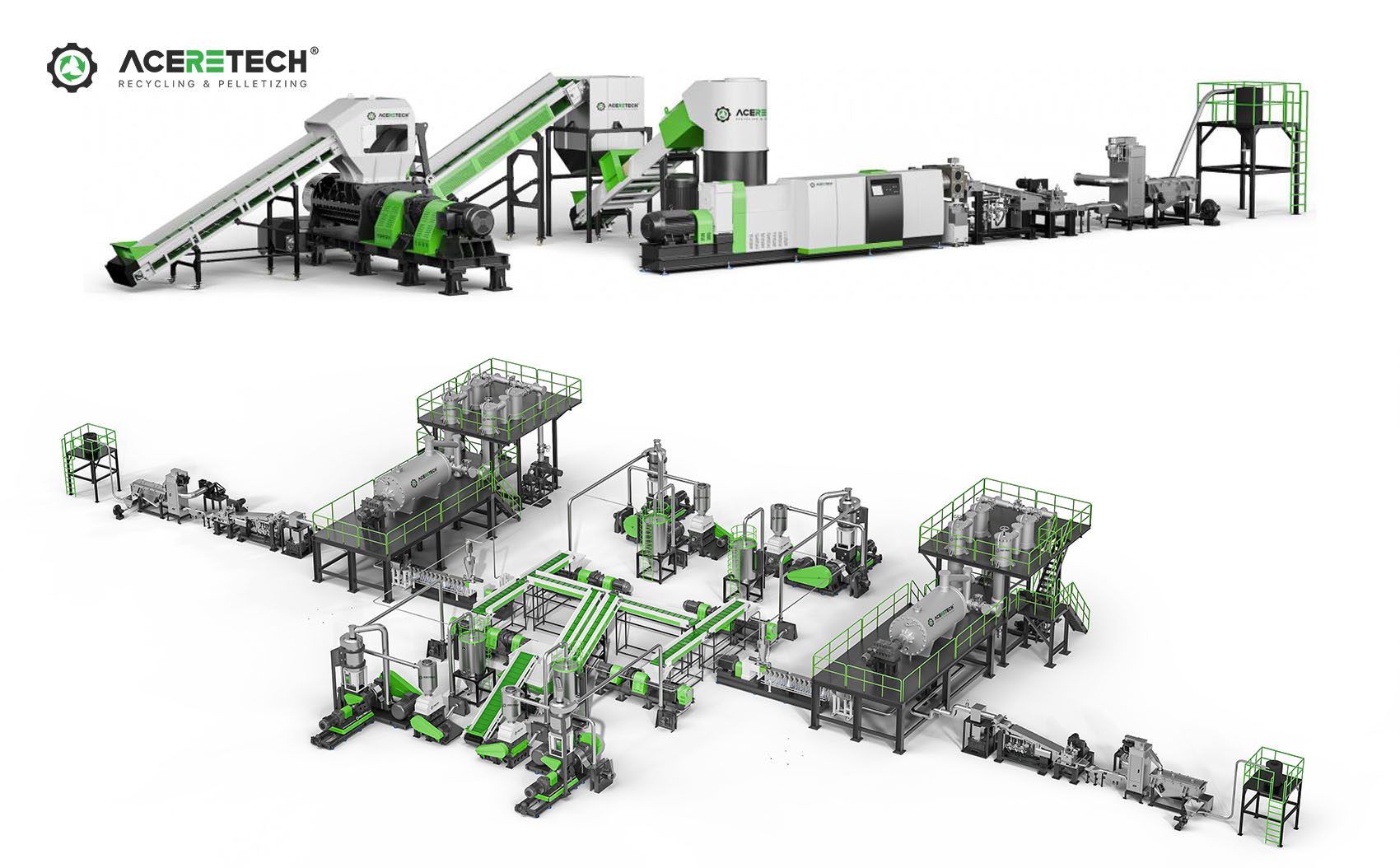
LAYOUT: Shredder, Friction agglomerating system, Extrusion, LSP IV increase and cutting silo.
FAQ
Q1. What types of polyester textile waste can be recycled through a polyester textile recycling line?
A: A polyester textile recycling line can process a wide range of polyester-based waste materials, including post-industrial textile scraps, garment cutting waste, polyester fabric offcuts, nonwoven fabrics, polyester yarn waste, filament waste, and post-consumer polyester textiles. Depending on the material condition and contamination level, the recycled output can be used for producing recycled polyester pellets, fibers, sheets, straps, and other value-added products.
Q2. What are the biggest challenges in recycling polyester textile waste?
A: Polyester textile waste is typically lightweight, flexible, and prone to entanglement during processing. Traditional shredding and feeding systems often suffer from material bridging, unstable feeding, and excessive energy consumption. In addition, maintaining consistent melt quality and pellet uniformity can be difficult due to the fibrous structure of textile materials. Advanced solutions such as specialized shredders, friction agglomeration systems, and optimized extrusion technology are essential to ensure stable production and high-quality recycled pellets.
Q3. Why is friction agglomeration technology beneficial for polyester textile recycling?
A: Friction agglomeration technology converts loose polyester fibers and textile scraps into densified agglomerates before extrusion. This process improves bulk density, stabilizes material feeding, reduces energy consumption, and minimizes the risk of bridging or blockage. As a result, recyclers can achieve higher throughput, lower operating costs, and more consistent pellet quality compared with conventional textile recycling methods.
Q4. What are the end-use applications of recycled polyester pellets produced from textile waste?
A: Recycled polyester pellets generated from textile recycling can be used in various industries, including textile fiber production, PET strapping manufacturing, packaging materials, thermoformed sheets, injection-molded products, and certain engineering plastic applications. With proper filtration and processing technology, recycled polyester can become an important raw material for supporting circular economy and sustainable manufacturing initiatives.
Q5. How can ACERETECH help customers build a profitable polyester textile recycling business?
A: ACERETECH provides complete polyester textile recycling solutions, including shredding, size reduction, friction agglomeration, pelletizing, filtration, and downstream handling systems. Based on material characteristics, production capacity requirements, and final product specifications, ACERETECH engineers can customize turnkey recycling plants to maximize productivity, reduce energy consumption, and improve pellet quality. With global installation experience and comprehensive technical support, customers can achieve faster project implementation and long-term operational reliability.