The Lucrative and Eco-Friendly Future of PET Bottle Recycling
The recycling of PET (polyethylene terephthalate) bottles presents a compelling opportunity, offering both significant financial returns and substantial environmental benefits. While often overlooked, the sheer volume of discarded PET bottles represents a largely untapped resource with considerable potential. A small-scale plastic packing station, for example, can generate annual profits ranging from $400,000 to $500,000. This profitability stems from a combination of factors: readily available raw materials, low competition, and high profit margins at each stage of the recycling process.
The Environmental Imperative:
Recycling PET bottles is crucial for environmental sustainability. These bottles, a major source of plastic waste, persist in landfills for centuries. Recycling reduces landfill burden, conserves natural resources by decreasing the demand for virgin materials, and significantly lowers energy consumption. The energy saved from recycling a single bottle is enough to power a 60-watt lightbulb for approximately three hours.
The Business Opportunity:
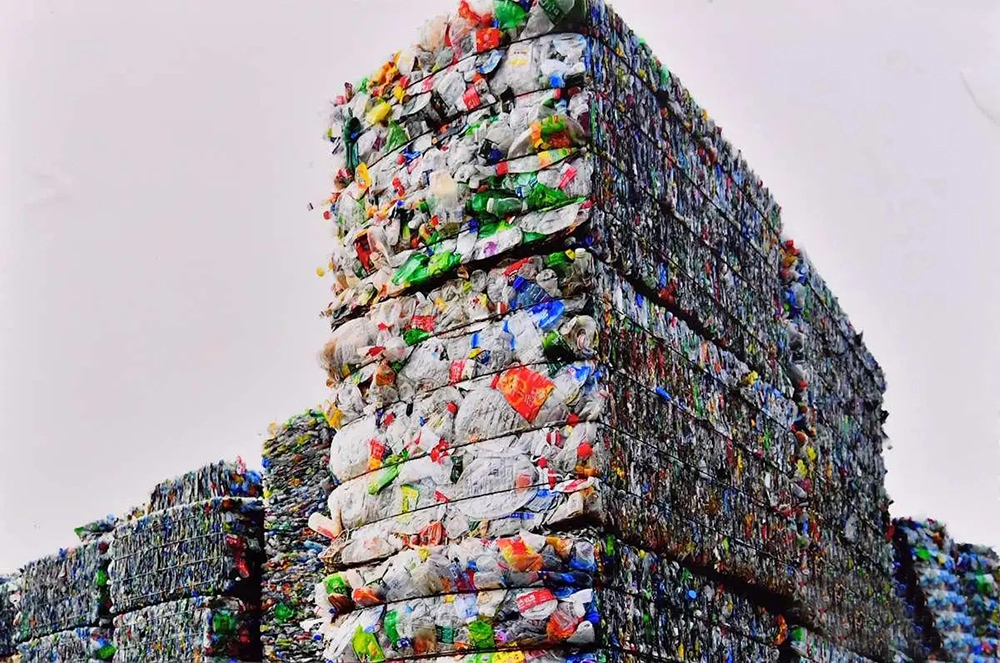
The current landscape reveals a significant gap in the market. While scrap collection stations commonly handle other recyclables like cardboard and metal, plastic bottle recycling remains less prevalent. This is partly due to public unawareness of the recyclability of plastics, the inconvenience of collecting lightweight bottles, and the perceived low financial return. However, this lack of awareness translates into a significant opportunity for entrepreneurs.
Profitability of a PET Bottle Recycling Plant:
The profitability of PET bottle recycling is driven by several key factors:
- Low Competition: The market for recycled PET bottles is relatively under-served, resulting in minimal competition.
- Abundant Supply: Discarded PET bottles are readily available in urban and rural areas, providing a consistent and easily accessible source of raw material.
- High Profit Margins: Each stage of the recycling process offers substantial profit margins. Scrap buying stations purchase bottles inexpensively (approximately $0.0035 per bottle), then sell them to baling stations at a much higher price. Baling stations further increase the value by processing and packaging the plastic before selling it to processing plants. These plants then transform the material into valuable products like plastic sheets (currently valued at approximately $1076 per ton). A diligent individual could easily earn $10,000 per month collecting bottles, while establishing a plastic baling station offers even greater earning potential.
The recycling process typically involves several key players:
- Individual Collectors: Gather discarded bottles.
- Scrap Buying Stations: Purchase collected bottles. A ton (approximately 50,000 bottles) costs $200-$250 to acquire.
- Plastic Baling Stations: Purchase processed plastic for $430-$460 per ton and sell it to processing plants for $770 per ton, yielding a profit of approximately $310 per ton.
- Plastic Processing Plants: Transform the baled plastic into usable materials.
Complete PET Bottle Recycling Plant Solutions
As demand for recycled PET continues to increase across packaging, textiles, and other industries, many companies are investing in complete PET bottle recycling machines to transform post-consumer PET waste into valuable recycled materials.
A modern PET recycling plant is not limited to a single machine. Instead, it integrates multiple processing stages, including bottle washing, flake preparation, pellet production, and downstream extrusion, depending on the final application and business goals.
By selecting the right recycling configuration, companies can produce high-quality PET flakes, food-grade rPET pellets, or recycled PET sheets for sustainable packaging applications.
Stage 1: PET Bottle Washing and Flake Preparation
The first stage of a PET bottle recycling line focuses on removing contaminants and preparing clean PET flakes for further processing. Post-consumer PET bottles typically undergo sorting, crushing, label removal, hot washing, rinsing, and drying processes to eliminate impurities such as adhesives, PVC contamination, paper residue, and organic materials.
The quality of recycled PET flakes directly influences the performance of downstream applications. A properly designed washing process helps recyclers achieve consistent material quality and provides a reliable foundation for producing higher-value recycled PET products.
For a detailed overview of PET bottle washing technology and flake preparation, read more about PET Bottle Flake Washing and Recycling: A Complete Processing Solution.
Stage 2: Converting PET Flakes into Food Grade rPET Pellets
After producing clean PET flakes, many recycling facilities further process the material into recycled PET pellets to increase product value and expand application possibilities.
Through extrusion, melt filtration, vacuum degassing, and pelletizing processes, recycled PET flakes can be converted into consistent rPET pellets suitable for demanding applications. Food-grade rPET pellet production is especially important for bottle-to-bottle recycling, packaging materials, and industries requiring strict quality and performance standards.
For a deeper look at PET flake-to-pellet conversion technology, read more about Food Grade PET Bottle Flake Pelletizing Extrusion Line for rPET Pellet Production.
Stage 3: Producing High-Value rPET Sheets
Another pathway for maximizing the value of recycled PET is converting washed PET flakes directly into recycled PET sheets. This approach enables manufacturers to produce sustainable packaging materials for applications such as food containers, trays, and thermoforming products.
Compared with supplying recycled flakes as raw materials, integrated sheet production allows companies to move further along the recycling value chain and create higher-value recycled products.
For more information about recycled PET sheet manufacturing, read more about rPET Sheet Extrusion Solution: From Waste PET Bottles to Food-Grade Packaging Sheets.
Choosing the Right PET Bottle Recycling Plant Configuration
Every PET recycling project has different requirements depending on raw material conditions, production capacity, target products, and regulatory standards.
Some recyclers focus on producing clean PET flakes, while others aim for food-grade rPET pellets or recycled PET sheets. Selecting the right combination of washing, pelletizing, and extrusion technologies helps create a scalable recycling operation that supports long-term business growth.
Aceretech provides integrated PET bottle recycling solutions designed for different production requirements, from material preparation to high-value recycled product manufacturing.