I. Эффективная переработка ПЭ-пленки благодаря передовой технологии компактирования и гранулирования
В условиях растущего спроса на экологически безопасную переработку пластмасс, утилизация ПЭ-пленки (полиэтиленовой пленки) стала важным направлением деятельности, позволяющим сократить объемы пластиковых отходов и повысить эффективность использования ресурсов. Однако из-за таких характеристик, как низкая насыпная плотность, высокая гибкость и склонность к спутыванию, традиционные методы переработки часто сталкиваются с рядом проблем: нестабильной подачей сырья, недостаточной пластикацией, сложностями с удалением влаги и низким качеством получаемых гранул.
Компания ACERETECH предлагает эффективное решение для переработки ПЭ-пленки на базе одношнекового компактирующего гранулятора ACS. Данное решение объединяет процессы компактирования материала, бережного плавления, вакуумной дегазации, непрерывной фильтрации и гранулирования в единую комплексную систему.
Эта система предназначена для гранулирования чистой или слабозагрязненной ПЭ-пленки и позволяет получать высококачественные гранулы вторичного пластика при стабильной производительности и отличных технологических показателях.
II. Перерабатываемый материал: ПЭ-пленка
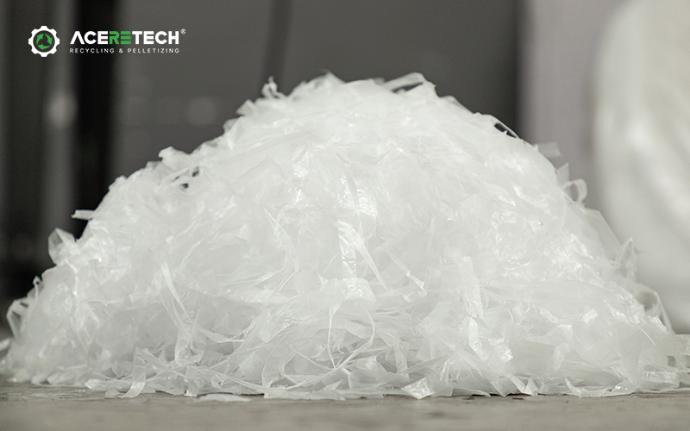
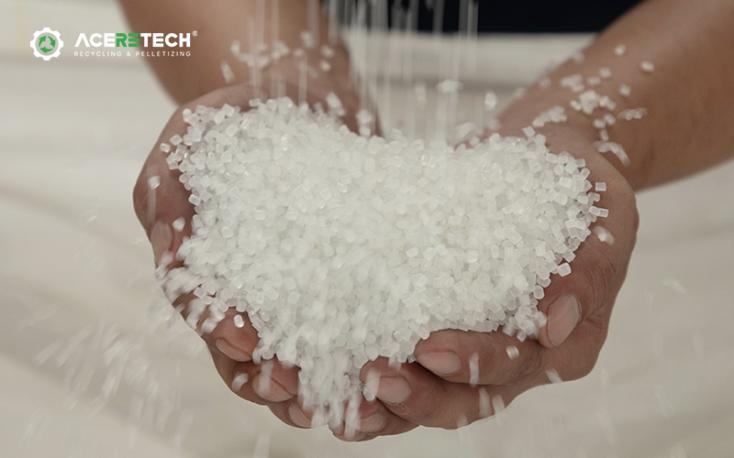
ПЭ-пленка (полиэтиленовая пленка) является одним из самых распространенных в мире полимерных материалов и широко используется в следующих сферах:
Упаковочная пленка
Сельскохозяйственная пленка
Пакеты для покупок
Промышленные упаковочные отходы
Стретч-пленка
Отходы производства выдувных пленок
Из-за малого веса и гибкости отходы ПЭ-пленки перерабатывать сложнее, чем жесткие пластики.
Ключевые трудности при переработке ПЭ-пленки включают:
● Низкая насыпная плотность, приводящая к нестабильной подаче
● Склонность к спутыванию и образованию «сводов» (заторов) в процессе подачи
● Высокое содержание влаги и загрязнений
● Деградация материала вследствие перегрева в процессе переработки
Поэтому для достижения стабильных результатов переработки критически важно использовать эффективный процесс компактирования и экструзионного гранулирования.
III. Технологический процесс переработки ПЭ-пленки
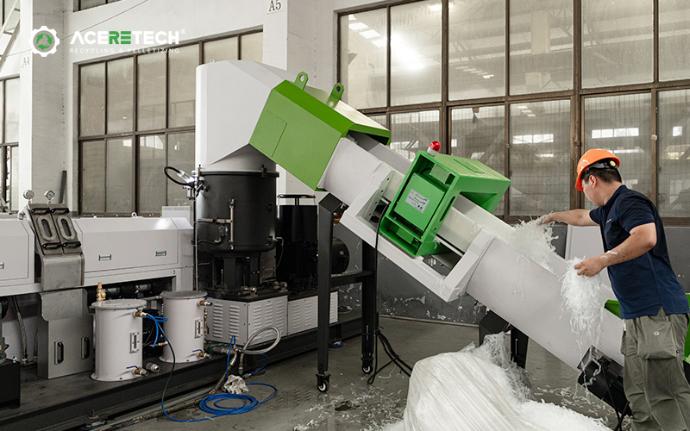
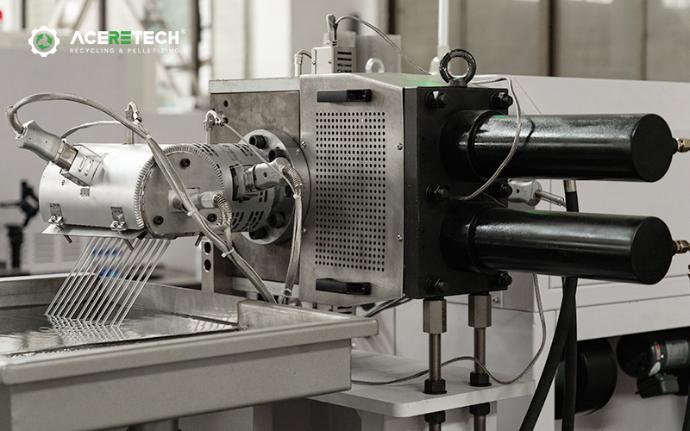
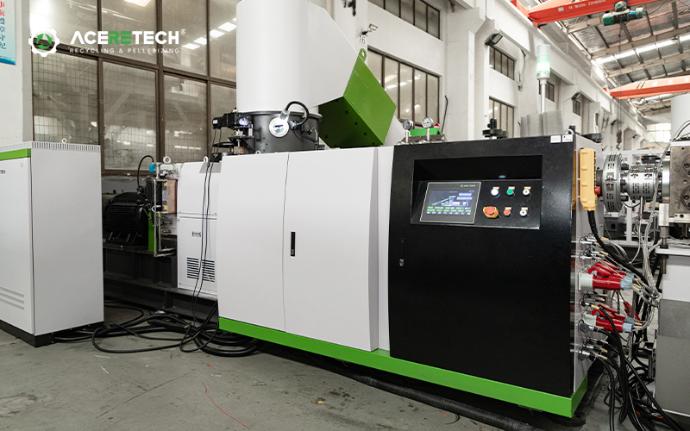
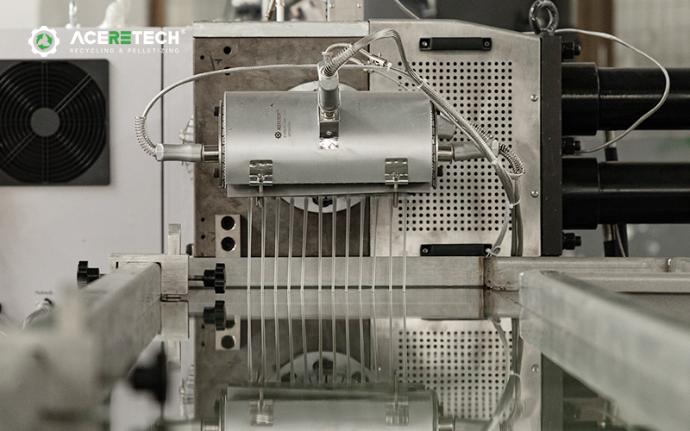
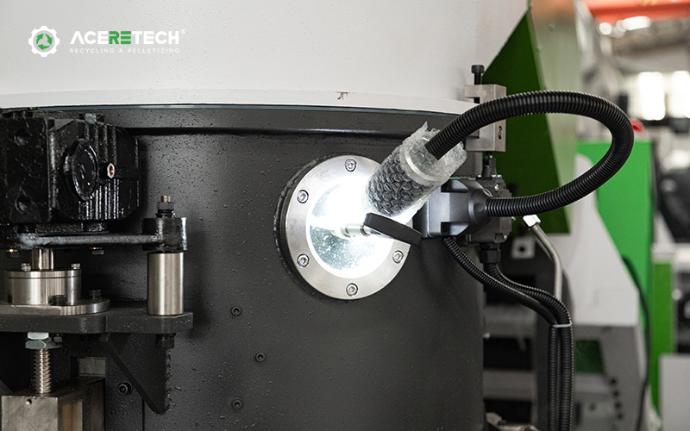
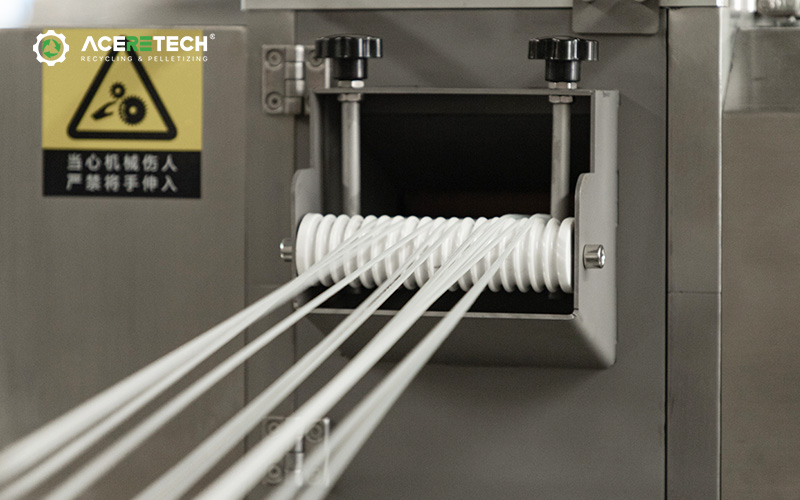
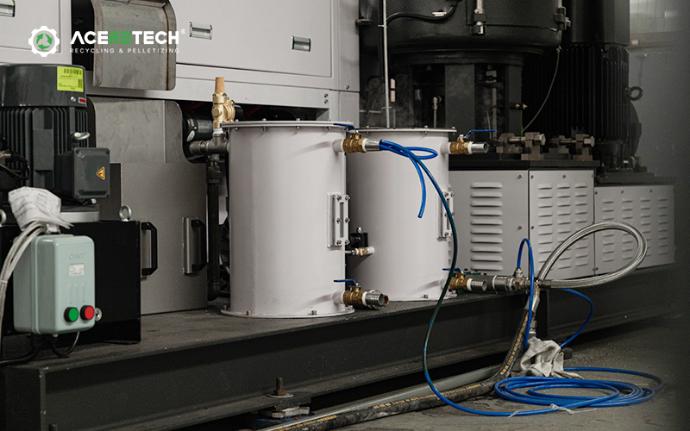
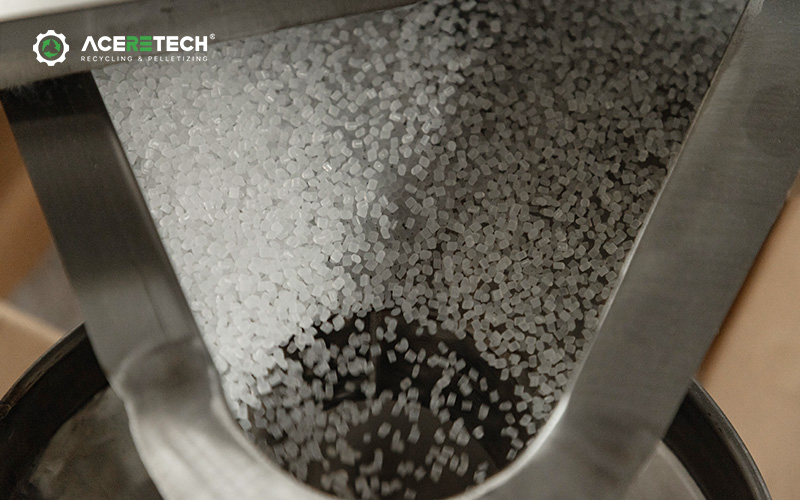
Система переработки ПЭ-пленки ACS включает следующие основные этапы:
Ленточная подача → Компактирование → Одношнековая экструзия → Вакуумная дегазация → Непрерывная фильтрация → Гранулирование стренговым методом (с водяным охлаждением) → Сбор гранул
1. Система ленточной подачи с металлодетектором
Отходы ПЭ-пленки непрерывно подаются в камеру компактирования с помощью ленточного конвейера, оснащенного металлодетектором.
Система обнаружения металла выявляет и отсеивает металлические включения до того, как материал попадет в экструдер, тем самым защищая важные узлы оборудования и повышая надежность производственного процесса.
Преимущества:
Стабильная автоматическая подача
Сниженный риск повреждения оборудования
Повышенная безопасность эксплуатации
2. Эффективное уплотнение материала
Камера уплотнения объемом 300 литров играет ключевую роль в переработке легкой полиэтиленовой (ПЭ) пленки. Перед подачей в систему экструзии рыхлый пленочный материал подвергается сжатию, уплотнению и предварительному нагреву за счет воздействия высокоскоростных вращающихся ножей.
Этот процесс позволяет:
Увеличить насыпную плотность материала
Повысить стабильность подачи
Предотвратить образование «сводов» (заторов) материала
Увеличить общую эффективность производства
3. Бережная пластикация в системе одношнековой экструзии
Система ACS оснащена одношнековым экструдером с диаметром шнека 80 мм, обеспечивающим высокую производительность и низкое энергопотребление при компактных размерах шнека.
Оптимизированная конструкция шнека обеспечивает превосходные характеристики плавления и смешивания, гарантируя при этом бережную пластикацию полиэтиленового материала.
По сравнению с процессами, сопровождающимися высоким сдвиговым воздействием, бережная пластикация позволяет:
Минимизировать деградацию материала
Сохранить качество гранул вторичного сырья
Повысить стабильность производственного процесса
4. Двухступенчатая система вакуумной дегазации для получения гранул высокого качества
В процессе переработки ПЭ-пленки влага и летучие вещества могут негативно влиять на качество конечных гранул. В системе гранулирования ACS используется двухступенчатая система вакуумной дегазации для эффективного удаления:
Влаги
Пузырьков воздуха
Низкомолекулярных веществ
Летучих примесей
Преимущества системы:
Снижение количества дефектов гранул
Улучшение внешнего вида гранул
Более стабильные характеристики вторичного материала
5. Непрерывно действующий поршневой фильтр расплава
Система оснащена непрерывно действующим поршневым фильтром расплава модели P650.
Замена фильтрующих элементов может производиться в процессе работы без остановки оборудования, что обеспечивает непрерывность производства.
Преимущества:
Повышенная эффективность производства
Сокращение времени простоев
Стабильная фильтрация расплава
6. Система гранулирования стренгового типа с водяным охлаждением
Выдавленные из экструдера стренгги (нити) расплавленного пластика поступают в систему водяного охлаждения для быстрого снижения температуры.
Затем охлажденные стренгги нарезаются на гранулы вторичного сырья одинакового размера.
Полученные гранулы отличаются:
Равномерностью размеров
Стабильным качеством
Пригодностью для повторного использования в производстве пластиковых изделий
После гранулирования готовые гранулы проходят стадию воздушного охлаждения и автоматически транспортируются в накопительные силосы с помощью системы пневмотранспорта.
Похожие статьи
Решения для переработки ПЭ-пленки на производстве
Решения для мойки ПЭ-пленки
Решения для измельчения ПЭ-пленки
IV. Преимущества системы ACS для переработки ПЭ-пленки
1. Стабильная переработка легких пленочных материалов
Система предварительного уплотнения улучшает процесс подачи, решая типичные проблемы, связанные с низкой плотностью ПЭ-пленок.
2. Высокое качество гранул вторичного сырья
Сочетание оптимизированной конструкции шнека, вакуумной дегазации и системы непрерывной фильтрации гарантирует превосходное качество гранул.
3. Непрерывное и эффективное производство
Система автоматической фильтрации сокращает время простоя и повышает эффективность производства.
4. Широкая сфера применения
Система подходит для различных сценариев переработки ПЭ-пленки, включая промышленные отходы пленки и использованную пленку (постпотребительские отходы).
5. Интеллектуальное управление
Интеллектуальная система управления на базе ПЛК обеспечивает удобство эксплуатации, мониторинг рабочих параметров в реальном времени и стабильный контроль производственного процесса.
Ключевые электрические компоненты оснащены частотно-регулируемыми приводами (ЧРП), обеспечивающими гибкость и стабильность работы, а также эффективное снижение затрат на ручной труд.
Заключение
Переработка ПЭ-пленки требует надежных технологий для преодоления таких трудностей, как низкая плотность материала, нестабильная подача и наличие влаги.
Одношнековая система грануляции с уплотнителем ACERETECH ACS объединяет в себе технологии уплотнения, экструзии, вакуумной дегазации, фильтрации и грануляции, представляя собой эффективное и практичное решение для переработки. Система ACS обеспечивает стабильную производительность (100–200 кг/ч), позволяя переработчикам превращать отходы ПЭ-пленки в высококачественные гранулы, одновременно повышая эффективность производства и способствуя устойчивому развитию.
FAQ
Q1. Какие виды ПЭ-пленки может перерабатывать гранулятор ACS?
A: Одношнековый гранулятор с уплотнителем ACS работает с широким спектром материалов из ПЭ-пленки, включая пленку ПЭВД (LDPE), стрейч-пленку ПЭЛВД (LLDPE), промышленную упаковочную пленку, сельскохозяйственную пленку и производственные отходы ПЭ. Конфигурация системы может быть адаптирована с учетом степени загрязнения и влажности материала.
Q2. Почему для переработки ПЭ-пленки необходима система уплотнения?
A: ПЭ-пленка обладает низкой насыпной плотностью и склонна к сжатию или спутыванию в процессе подачи. Бункер предварительного уплотнения повышает плотность материала, стабилизирует подачу и предотвращает такие проблемы, как образование сводов (засорение материалом) и неравномерная экструзия.
Q3. В чем преимущества системы двойной вакуумной дегазации при грануляции пластика?
A: Система двойной вакуумной дегазации эффективно удаляет влагу, воздух и летучие вещества из расплава пластика. Это помогает минимизировать образование пузырей, улучшает внешний вид гранул и обеспечивает стабильное качество готового продукта.
Q4. Может ли гранулятор ACS работать непрерывно, без остановок для замены фильтров?
A: Да. Система ACS может быть оснащена поршневым устройством непрерывной смены фильтров P650, что позволяет менять фильтры непосредственно в процессе производства без простоев оборудования, тем самым значительно повышая производительность.
Q5. Какова производительность установки ACS для переработки полиэтиленовой (ПЭ) пленки?
A: Представленный здесь одношнековый гранулятор ACS с функцией уплотнения материала имеет производительность 100–200 кг/ч. Компания ACERETECH предлагает различные модели и конфигурации, адаптированные под конкретные виды сырья, требования к производительности и задачи переработки.