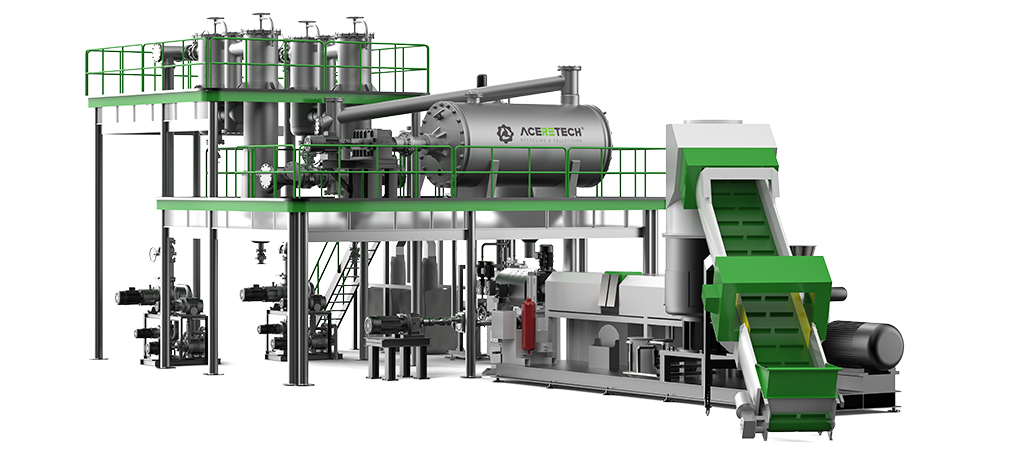
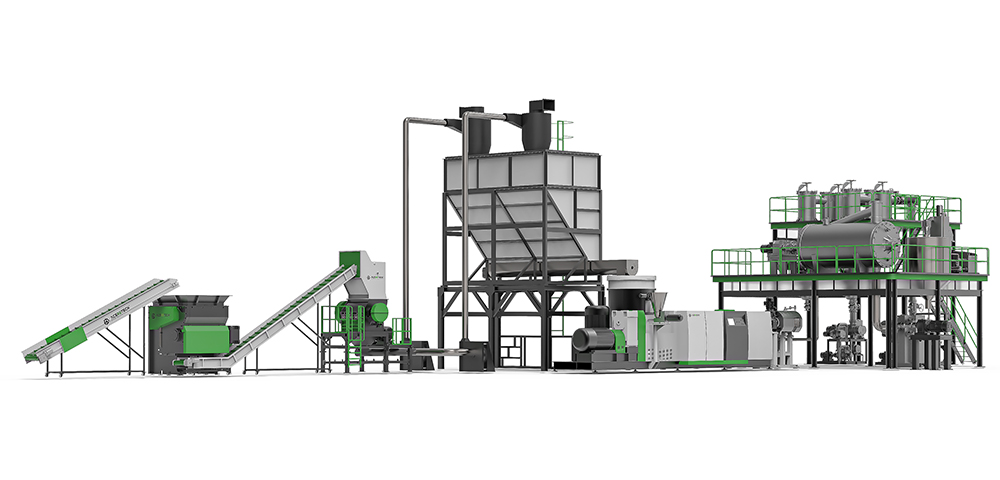


LSP PET Recycling Line with Liquid-State Polymerization for IV Enhancement
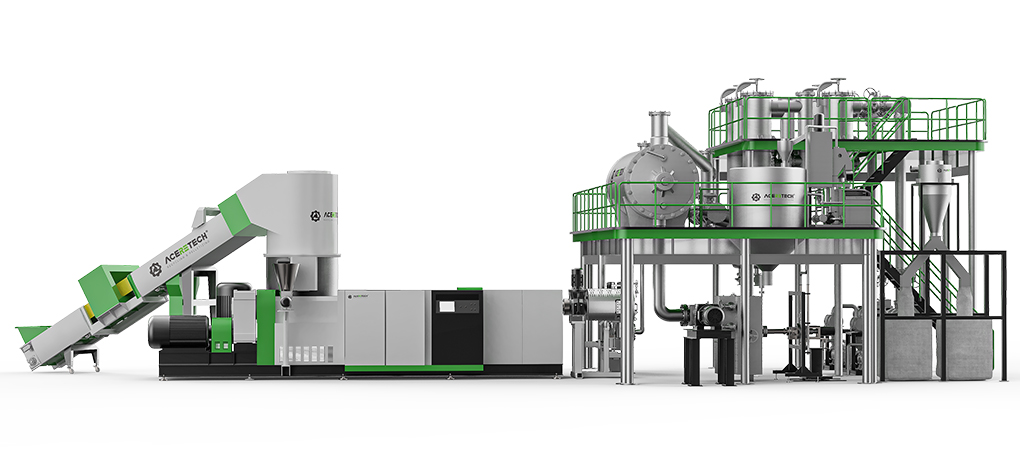
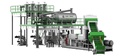
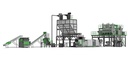
The Aceretech LSP Series is a PET recycling pellet line equipped with innovative Liquid-State Polycondensation (LSP) technology that converts PET scrap and flake into high-value products within a remarkably short residence time.
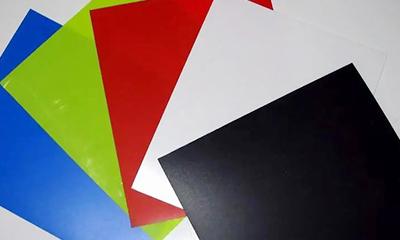
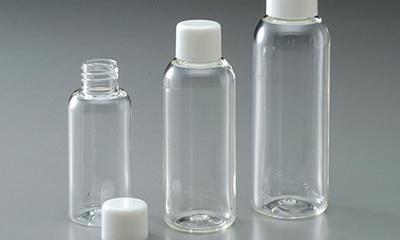
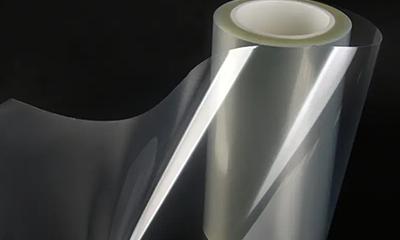
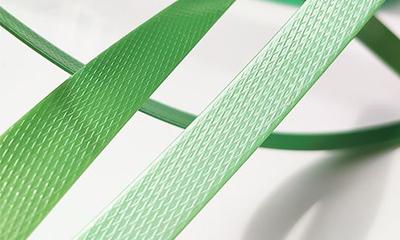
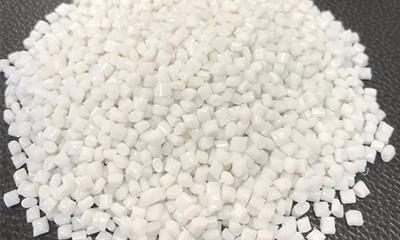
Whether your application calls for bottle-to-bottle, fiber-to-fiber, or production of PET fiber, strapping, pellets, or film, the LSP Series delivers exceptional versatility—all with fully controllable IV (Intrinsic Viscosity) and outstanding process stability.
As a comprehensive PET recycling solution, it accommodates a wide range of feedstocks, produces high-quality pellets, and delivers significant energy and cost savings.
The LSP Series is the ideal choice for any PET recycling operation aiming to boost recycling efficiency and enhance output quality.
LSP (Liquid State Polycondensation) technology enhances the quality and performance of recycled PET materials, enabling high-grade applications such as PET fiber, strapping, pellets, films, and bottle-to-bottle or fiber-to-fiber recycling.
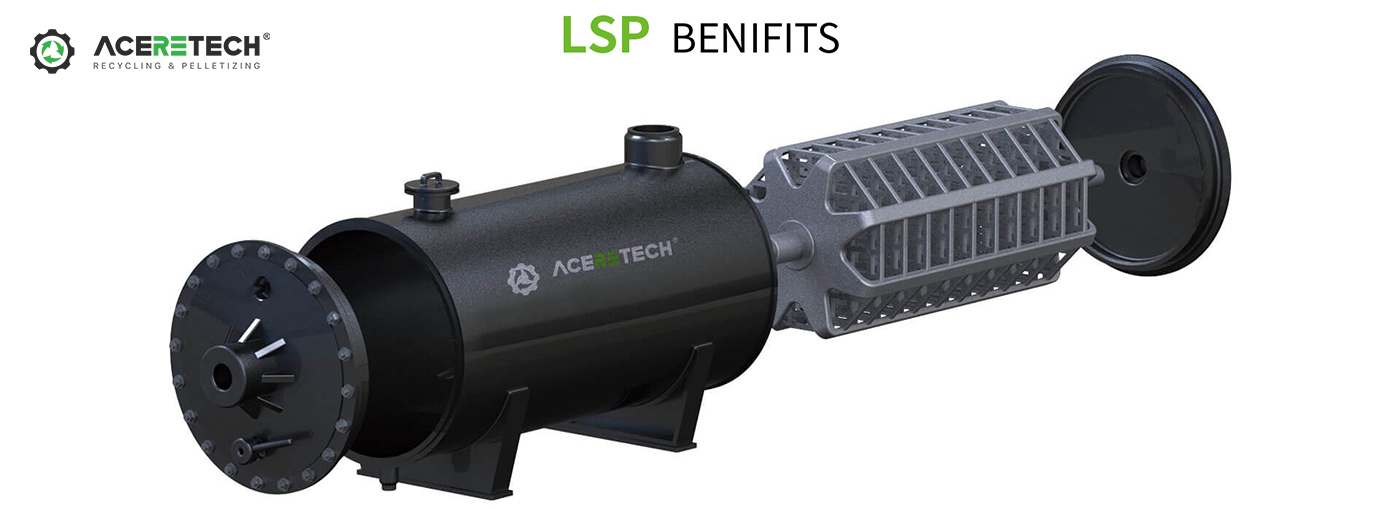
Innovative Reactor Design
The innovative structural design of the LSP reactor increases the polymerization reaction area, improves PET melt flowability, and shortens the reaction time, resulting in more efficient polymer upgrading.
Smart Control System
Equipped with an intelligent control system, the LSP unit enables convenient operation and real-time process monitoring, helping optimize production efficiency and support predictive maintenance.
High Energy Efficiency
The frequency conversion system automatically adjusts operating parameters, while the multi-zone temperature control system minimizes energy consumption and reduces overall operating costs.
Excellent IV Improvement Performance
With excellent melt homogenization capability, the LSP reactor can effectively blend different PET feedstocks into a uniform melt while significantly increasing intrinsic viscosity (IV) and improving recycled PET quality.
Applicable Materials
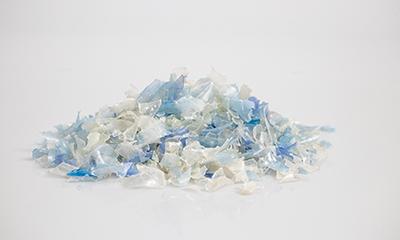
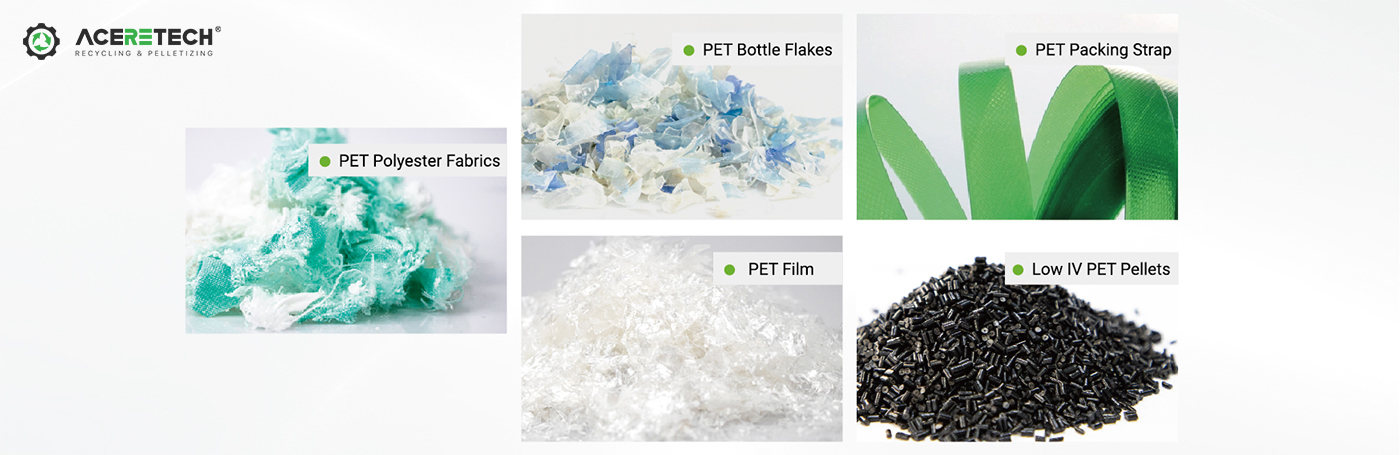
Suitable for a wide range of PET waste streams, including PET film, sheets, bottle flakes, perforated PET waste, polyester fibers, textile waste, and waste yarn.
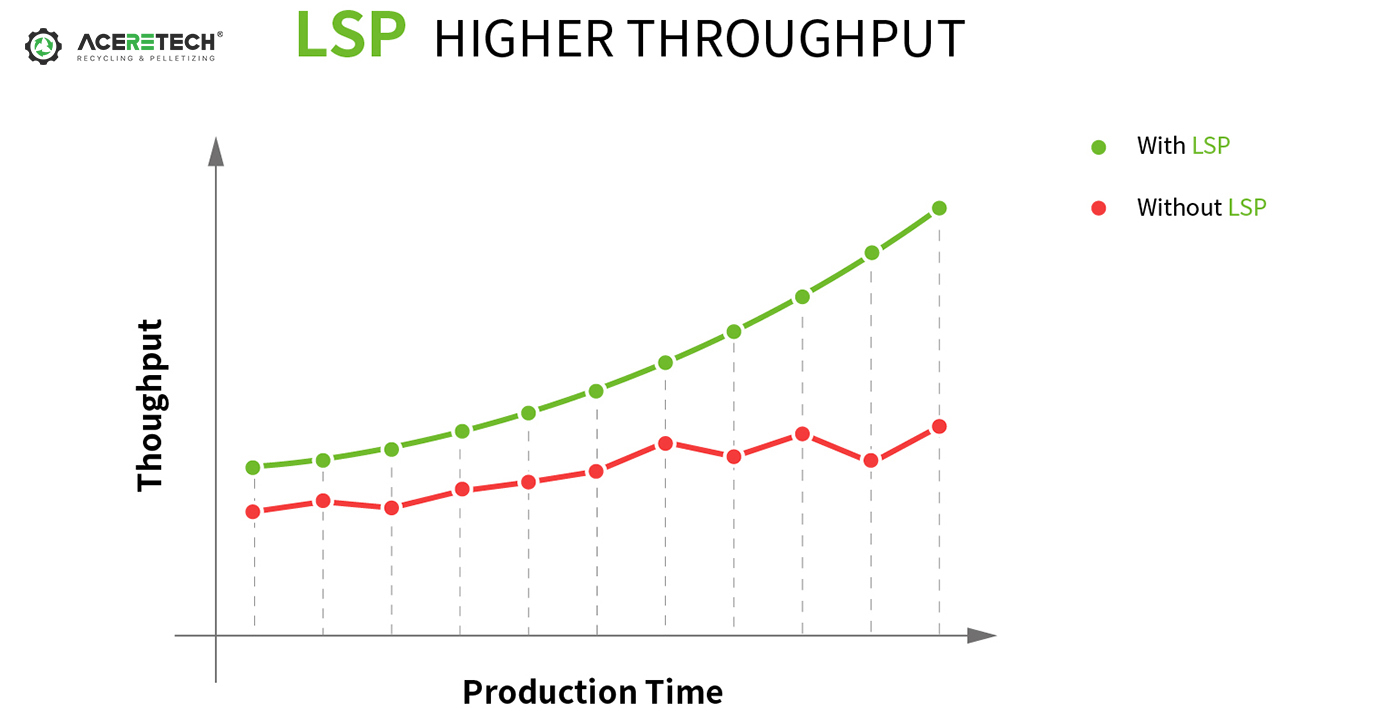
LSP Achieve Higher Throughput
Through the buffer of our reactor, the whole production system is more controllable, increasing output and avoiding time loss during the process of replacing filters.
LSP Working Principle
LSP is a highly efficient alternative to Solid-State Polymerization (SSP), as it eliminates the need for cooling the polymer and subsequently reheating it. Furthermore, the melt-phase reaction time is significantly shorter than that of the solid phase, which contributes to the superior economics of the LSPLINE™ system.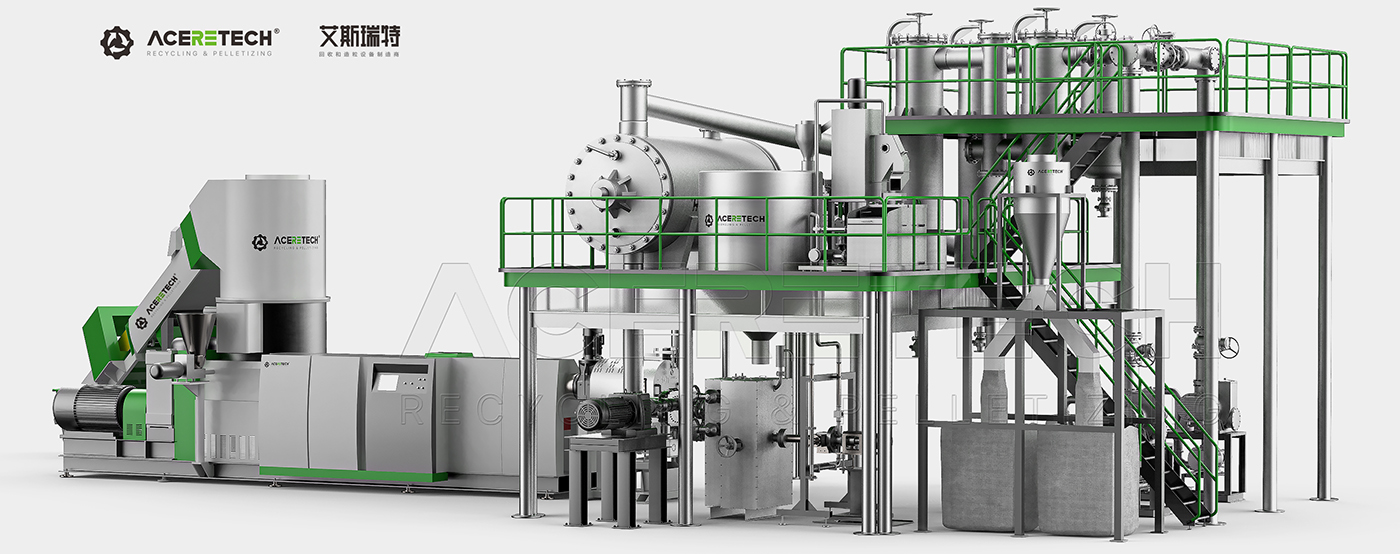
Homogenization
Given the complexity of recycled material sources, feedstock composition varies considerably, leading to fluctuations in the melt during production. To stabilize the IV, the reactor operates at a controlled agitation speed to ensure thorough mixing of the internal melt.
Impurity Removal
Since PET polycondensation is conducted under high vacuum, low-molecular-weight substances present in the feedstock and additives are volatilized at high temperatures.
Molecular Chain Growth
A significant number of hydroxyl and carboxyl end groups remain in the feedstock, and the catalytic system remains active. Polymerization continues to occur at a specified temperature and under vacuum, resulting in increased molecular chain length and IV.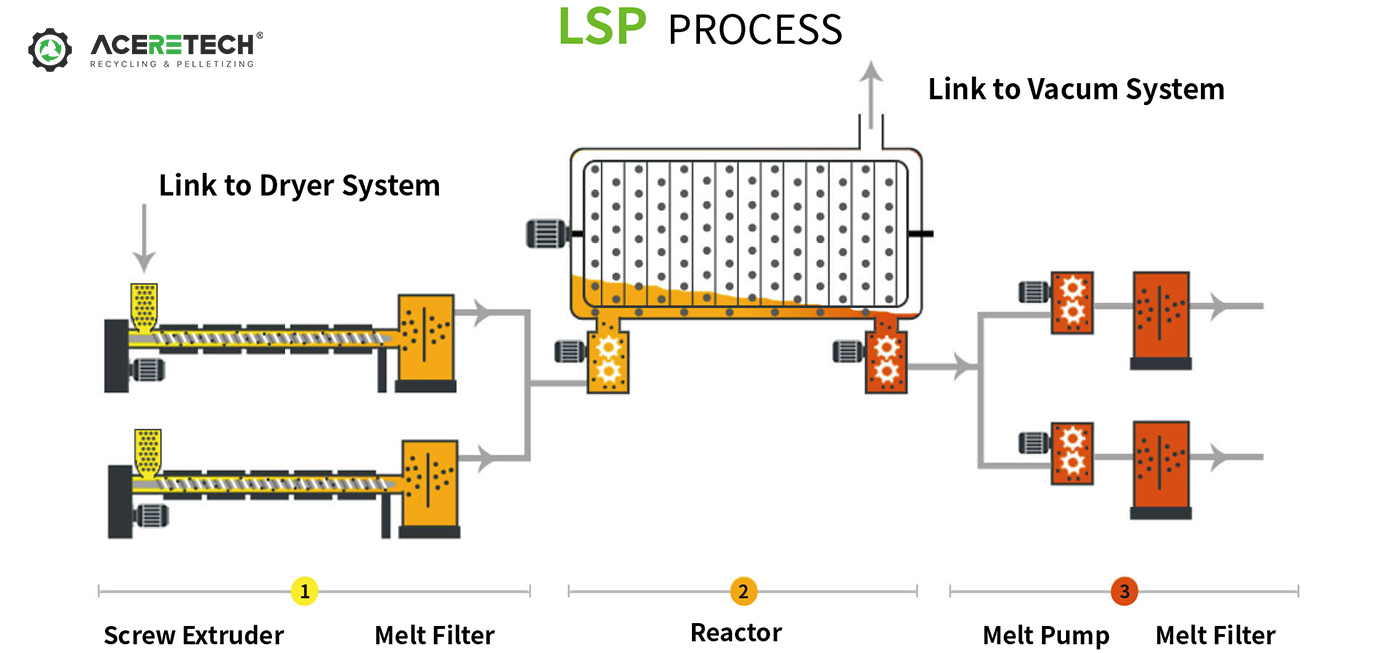
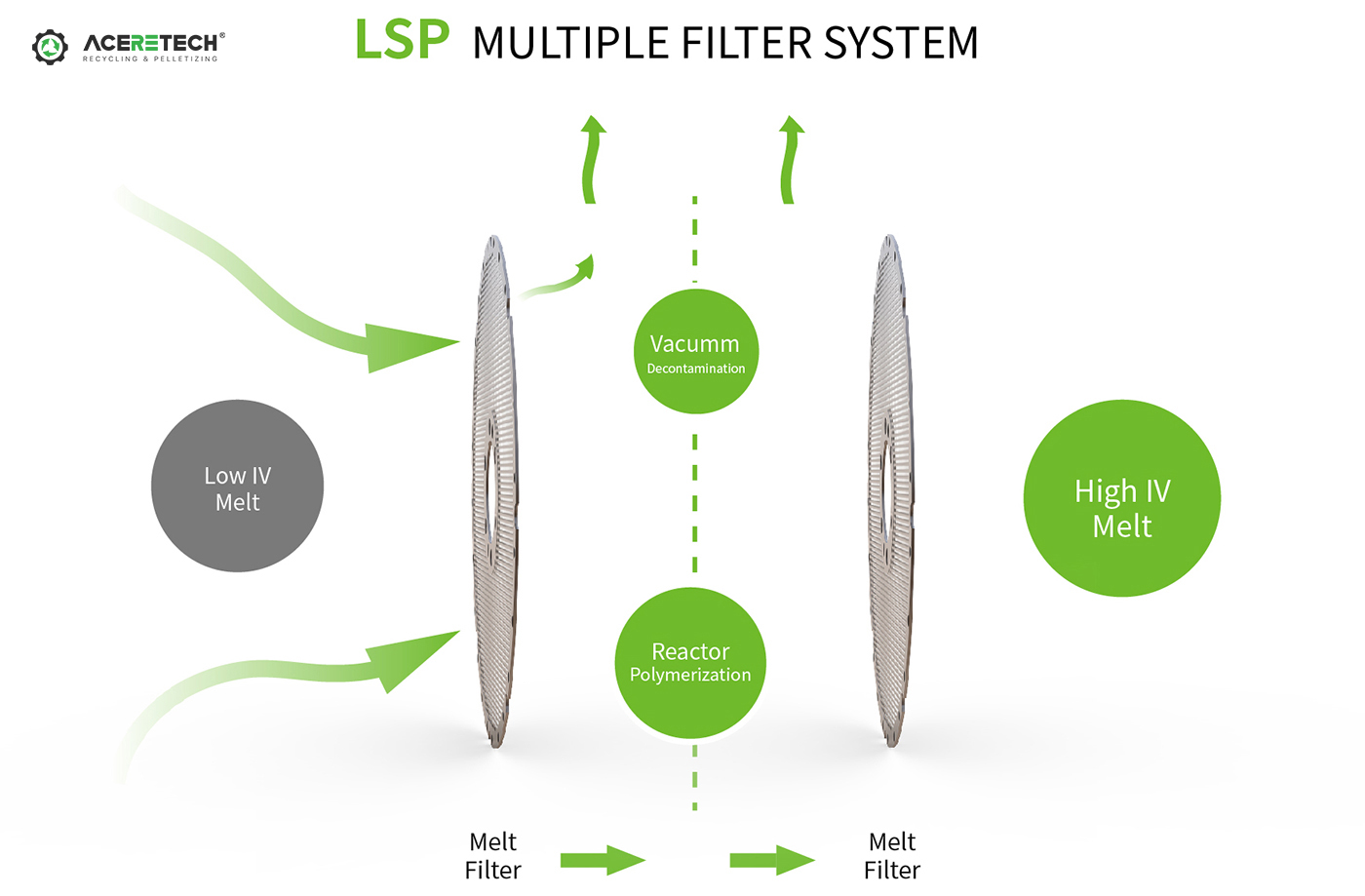
LSP Multiple Filter System
After Extrusion
The first melt filter after the extrusion can filter the inorganic impurities, and facilitate the further reaction.
During Reaction
Under high vacuum conditions, the oligomers and decomposed gases are separated from the melt and removed into the vacuum system.
After Reaction
High-viscosity melt passes through the last melt filter and the inorganic impurities that still remain in the melt will be filtered.
LSP High Quality Products
High Purity
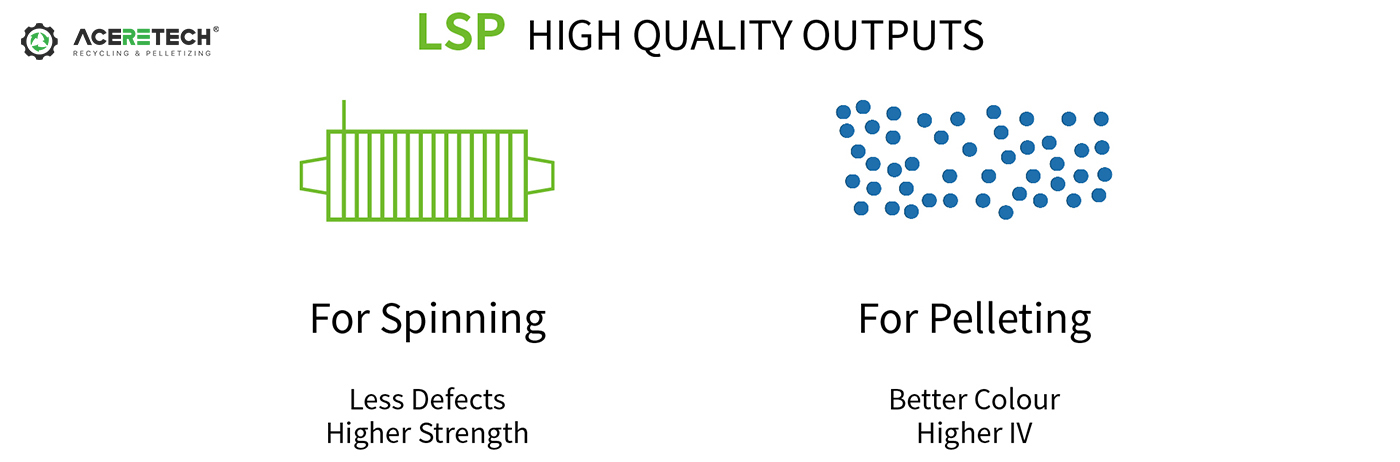
After multiple filtration and homogenization processes, the recycled polyester melt has higher purity and IV, and the color of the end product is more uniform.
High Strength
Under high-temperature and vacuum polymerization conditions, the molecular chains and IV are continuously increased, and the strength of the produced polyester products is also improved.
LSP Reactor Innovation
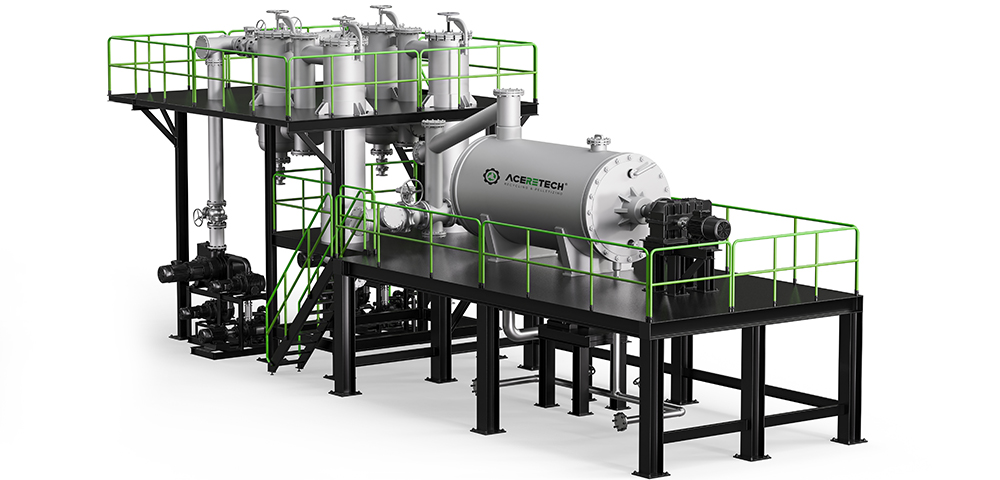
The homogenization viscosity reactor has an internal structure similar to the final polymerization pot used in continuous polymerization units, with both adopting horizontal polymerization pots. The internal structure of the horizontal reactor can be divided into two types: disc-shaped and cage-shaped. Disc-shaped reactors have a smaller surface area and lower film-forming efficiency, with a central shaft that is prone to material buildup. Cage-shaped reactors, on the other hand, have a larger surface area, higher film-forming efficiency, and no central shaft connection, thus eliminating the issue of material buildup.
Our company uses an independently developed cage-shaped reactor, which provides excellent film-forming performance and high polymerization efficiency, effectively shortening the reaction time.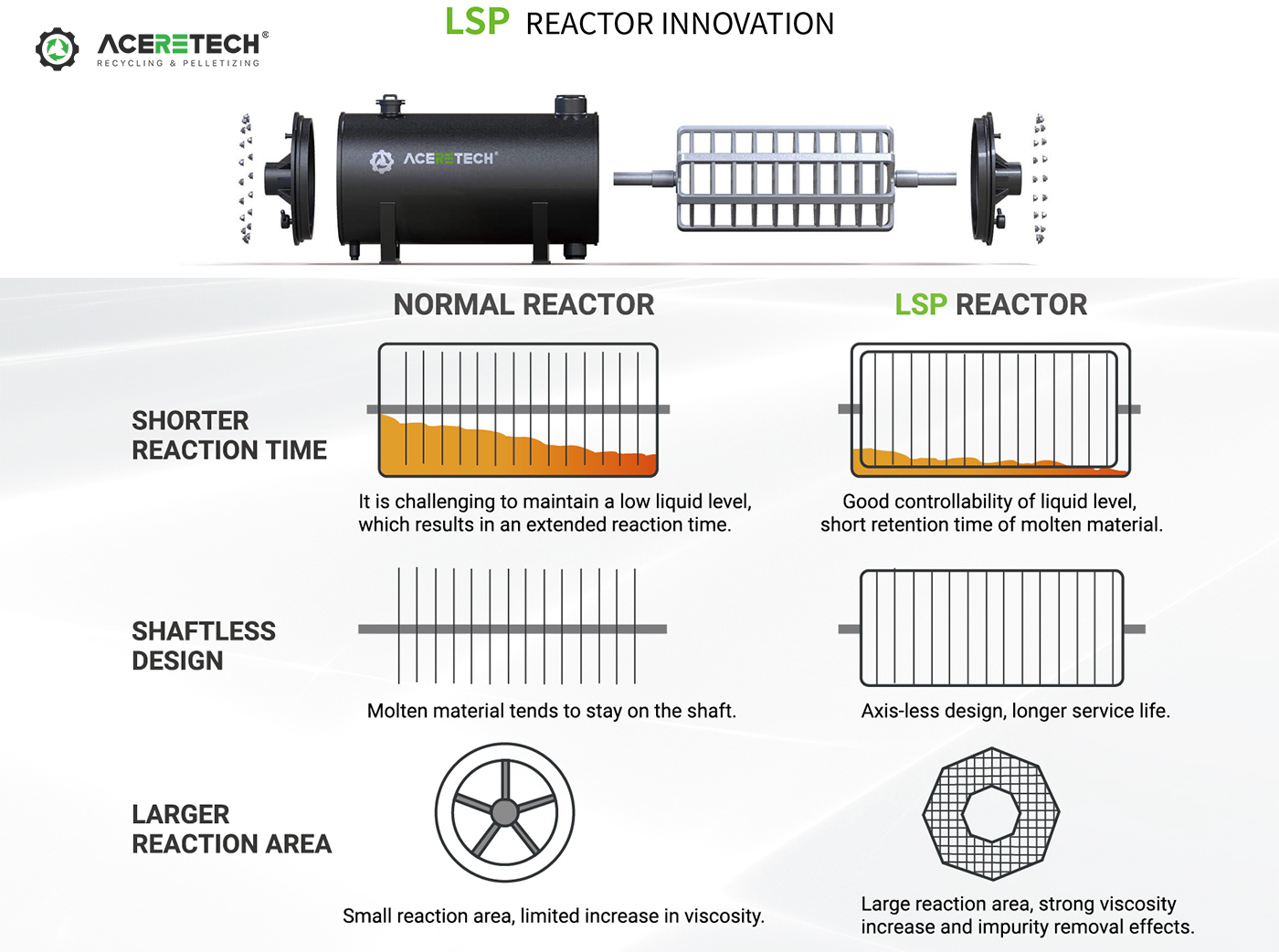
Non-shaft Design
The unique shaftless design makes the melt film-forming reaction smoother, avoiding the risk of material accumulation.
Larger Reaction Area
The larger reaction area provides better decontamination efficiency and a better IV-increase effect, achieving higher purity after the reaction.
Shorter Reaction Time
The innovative mesh design allows smoother melt flow, which makes the liquid level control more stable and enables it to be maintained at a very low level, shortening the melt reaction time and improving the color of the end product.
LSP PET Recycling Line with Liquid-State Polymerization for IV Enhancement
The Aceretech LSP Series is a PET recycling pellet line equipped with innovative Liquid-State Polycondensation (LSP) technology that converts PET scrap and flake into high-value products within a remarkably short residence time.
Whether your application calls for bottle-to-bottle, fiber-to-fiber, or production of PET fiber, strapping, pellets, or film, the LSP Series delivers exceptional versatility—all with fully controllable IV (Intrinsic Viscosity) and outstanding process stability.
As a comprehensive PET recycling solution, it accommodates a wide range of feedstocks, produces high-quality pellets, and delivers significant energy and cost savings.
The LSP Series is the ideal choice for any PET recycling operation aiming to boost recycling efficiency and enhance output quality.
FAQ
Q1. What is LSP (Liquid State Polycondensation) technology? How does it differ from traditional SSP (Solid State Polycondensation) technology?
A: LSP (Liquid State Polymerization) liquid-phase viscosity enhancement technology directly performs viscosity enhancement treatment in the molten state of PET. Compared with traditional SSP (Solid State Polymerization) solid-phase viscosity enhancement, which requires more than ten hours, ACERETECH's LSP system can significantly increase the IV value (intrinsic viscosity) within just a few tens of minutes. This technology effectively removes impurities, reduces the acid value, and improves pellet transparency, making it a more efficient solution for producing high-performance R-PET fibers, PET strapping, and bottle-grade PET chips.
Q2. Can the R-PET pellets produced by the ACERETECH LSP PET recycling line directly meet food-grade standards?
A: Yes. ACERETECH's LSP system offers excellent decontamination capabilities, effectively removing volatile organic compounds (VOCs) from the PET melt. The system is specifically designed for producing high-quality R-PET, and the resulting pellets feature excellent color stability (L value) and extremely low acetaldehyde content, meeting the stringent requirements of food-grade packaging, filament fibers, and high-performance engineering plastics.
Q3. What are the capacity and energy efficiency performance of this LSP PET recycling and pelletizing system?
A: Our LSP PET recycling line achieves integrated continuous production from waste materials to high-performance pellets. By eliminating the cooling and reheating processes required in the traditional SSP process, LSP technology significantly reduces unit energy consumption (kWh/ton). The system supports customized configurations with capacities ranging from 500 kg/h to 3,000 kg/h, helping recycling companies increase the added value of R-PET while significantly reducing operating costs (OPEX).
Q4. How does the LSP system precisely control the IV value (intrinsic viscosity) of R-PET?
A: ACERETECH's LSP system precisely controls the IV increase by accurately adjusting the vacuum level in the reaction tank, melt residence time, and stirring speed. Whether producing high-toughness strapping (high IV) or fine-denier filaments (stable IV), the system provides a narrow IV distribution range, ensuring the stability and consistency of downstream product manufacturing.
Q5. Why is investing in LSP equipment more competitive than traditional recycling equipment in the R-PET market in 2026?
A: With increasing global demand for lower carbon footprints and a circular plastics economy, the demand for high-quality R-PET is growing rapidly. LSP technology, with its significantly shorter processing time, lower energy consumption, and superior product quality, is becoming an advanced solution for upgrading recycled PET. Investing in ACERETECH's LSP production line not only helps shorten the return on investment (ROI) period but also enables companies to meet sustainability requirements (such as EU plastic regulations) while securing a competitive position in the high-value R-PET market.