I. Transforming Waste PET Bottles into High-Value PET Sheets
As the global demand for sustainable packaging continues to grow, recycled PET (RPET) has become one of the crucial materials in the circular plastic economy. Converting post consumer PET bottles into high-quality PET sheets not only reduces plastic waste, but also creates significant economic value for recyclers and manufacturers
A complete PET bottle-to-sheet production solution integrates washing, recycling, and extrusion technologies to transform discarded PET bottles into premium packaging materials—suitable for thermoformed trays, food containers, blister packaging, and a wide range of industrial applications.
II. The Complete Production Process: From PET Bottles to PET Sheets
Producing high-quality PET sheets from recycled PET bottles involves several key processing steps.
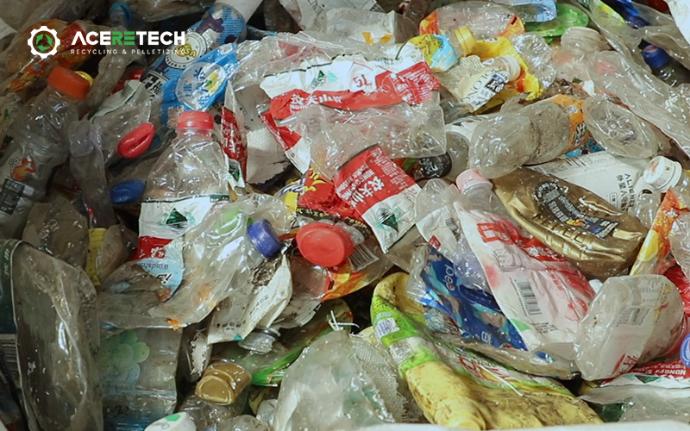
1. PET Bottle Sorting and Pre-treatment
Collected PET bottles undergo an initial sorting process to remove the following contaminants:
PVC bottles
Metal components
Labels
Caps and closures
Foreign plastics
Proper sorting is crucial for ensuring the stability of downstream processing and the high quality of the final product.
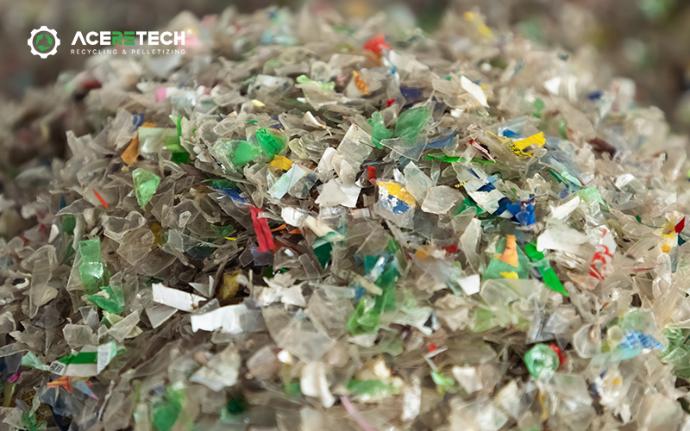
2. PET Bottle Crushing and Washing
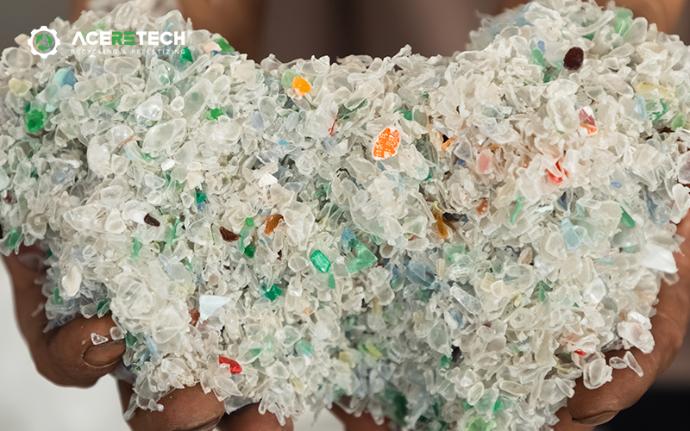
After bottle sorter machine, the bottles are crushed into PET flakes and thoroughly cleaned using a dedicated PET washing line.
A typical washing process includes:
Pre-washing
Label remover
Hot water washing
Frictional washing
Flotation separation
Dewatering and drying
Label separator
Packing silo
The objective is to obtain clean PET flakes with low contamination levels and minimal moisture content.
3. PET Flake Drying
Prior to extrusion, the PET flakes must undergo proper drying to reduce their moisture content.
Since PET is highly hygroscopic, excessive moisture can lead to:
Hydrolytic degradation
Reduction in Intrinsic Viscosity (IV)
Loss of transparency
Formation of bubbles and defects in the PET sheet
Advanced dehumidifying and drying systems help ensure optimal processing conditions.
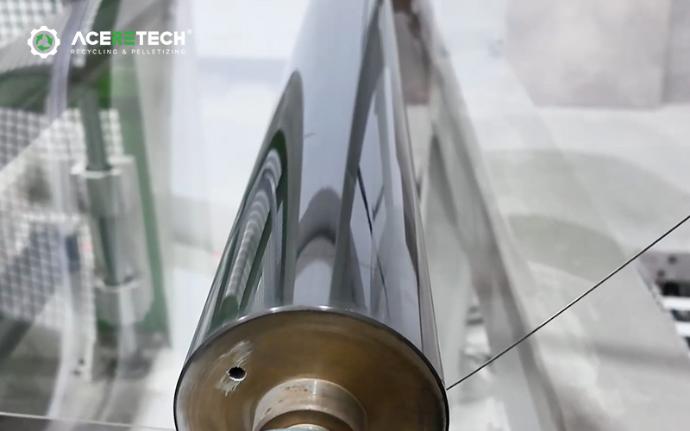
4. PET Sheet Extrusion
The dried PET flakes are fed into the PET sheet extrusion production line, where the material is melted, degassed, filtered, and finally extruded into sheet. The main extrusion processes include:
Feeding
Plasticization and melting
Melt filtration
Vacuum degassing
Sheet forming
Calendering
Cooling
Winding
Modern PET sheet extrusion systems can directly process washed bottle flakes, thereby reducing processing steps and lowering operating costs.
III. Applications of RPET Sheets
High quality RPET sheets produced using recycled PET bottle chips have been widely used in many industries.
Food Packaging / Fruit Trays / Baked Goods Containers / Salad Boxes / Takeaway Packaging / Thermoforming Applications / Disposable Trays / Blister Packaging / Industrial Packaging / Consumer Goods Packaging / Transparent Packaging Boxes / Electronics Packaging / Cosmetics Packaging / Sustainable Packaging Solutions
With global regulations increasingly encouraging the use of recycled materials, RPET sheets have become the preferred material for packaging manufacturers with strong environmental awareness.
IV. Key Equipment for PET Bottle Flake Processing Lines
A complete solution typically comprises the following:
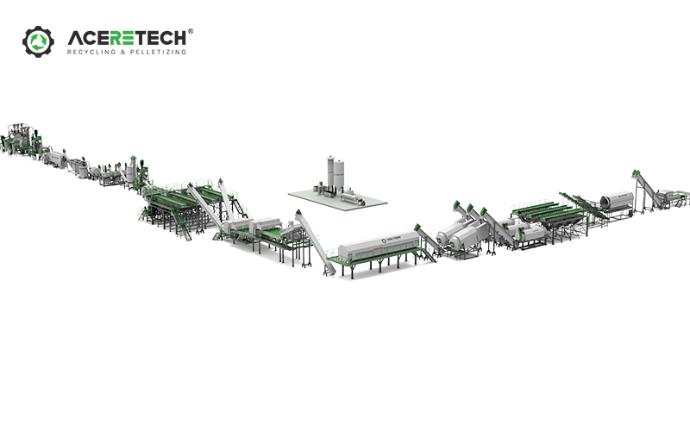
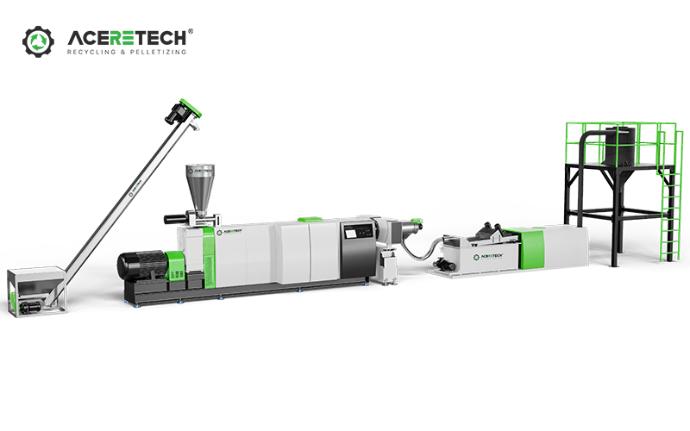
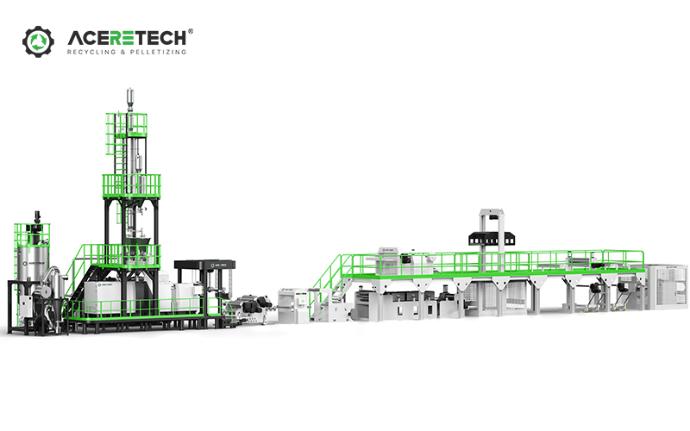
Functions:
Crushing
Label Removal
Hot Water Washing
Contaminant Separation
Drying
Output:
Clean PET Flakes
Functions:
Melt Filtration
Degassing
Pelletizing
Output:
Uniform RPET Pellets
Functions:
Direct sheet processing
Sheet production
Thickness control
Surface quality optimization
Output:
APET Sheets
RPET Sheets
Thermoforming Sheets
Packaging Sheets
V. Advantages of Direct Sheet Extrusion from PET Flakes
Compared to traditional pelletizing and reprocessing methods, direct sheet extrusion from flakes offers the following advantages:
Lower Energy Consumption
Eliminates the need for an additional pelletizing step, thereby reducing overall energy consumption.
Reduced Production Costs
Fewer processing stages translate to lower operational costs and higher profitability.
Higher Production Efficiency
A shorter processing workflow improves output volume and production flexibility.
Sustainable Manufacturing
Supports circular economy initiatives by maximizing the utilization of recycled materials.
VI. Why Choose ACERETECH PET Recycling and Sheet Extrusion Solutions?
Aceretech provides integrated recycling and extrusion solutions covering the entire value chain of PET recycling.
PET Bottle Washing Lines
PET Recycling and Pelletizing Systems
PET Sheet Extrusion Lines
Customized Automation Solutions
Technical Support and Process Optimization
ACERETECH combines recycling with advanced extrusion technology to help customers produce high-quality RPET sheets, while simultaneously enhancing operational efficiency and sustainability performance.
Related Articles
PET Bottle Washing Solution
PET Flake Pelletizing Solution
Conclusion
Converting PET bottle flakes into PET sheets represents one of the most valuable recycling pathways in today's plastics industry. By adopting appropriate washing, drying, and extrusion technologies, manufacturers can transform post-consumer PET waste into premium packaging materials, thereby meeting the market's growing demand for sustainable products.
A complete "PET Bottle-to-Sheet" production solution not only contributes to achieving environmental goals but also creates new business opportunities by enabling the production of high-value-added RPET sheet products.
FAQ
Q1. Can PET bottle flakes be used directly for sheet extrusion?
A: Yes. Modern PET sheet extrusion lines can directly process properly washed and dried PET bottle flakes; in many applications, a separate pelletizing step is not required.
Q2. What products can be manufactured using RPET sheets?
A: RPET sheets are widely used in thermoformed trays, food containers, blister packaging, transparent packaging boxes, and various industrial packaging applications.
Q3. What is the difference between APET sheets and RPET sheets?
A: APET sheets are typically produced from virgin PET resin, whereas RPET sheets contain recycled content derived from post-consumer waste or industrial waste streams.
Q4. Can recycled PET materials be used to produce food-grade packaging?
A: Yes. Provided that appropriate recycling technologies are employed and relevant regulatory requirements are met, RPET sheets can certainly be used to manufacture packaging materials intended for direct contact with food.
Q4. What equipment is required to implement a complete "PET Bottle Recycling and Sheet Production" project?
A: A complete solution typically includes: a PET bottle washing line, a drying system, an optional pelletizing line, and a PET sheet extrusion line.