I. Общие сведения о проекте
Полиэтиленовая (ПЭ) пленка широко используется в сфере упаковки, логистики, сельском хозяйстве и промышленности. В результате как в процессе производства, так и после использования продукции образуются значительные объемы отходов ПЭ-пленки.
Однако переработка ПЭ-пленки сопряжена с рядом технологических сложностей. По сравнению с жесткими пластиками, пленочные материалы отличаются низкой насыпной плотностью, малым весом, гибкостью и склонностью к спутыванию. В зависимости от происхождения материала, пленка может содержать загрязнения, влагу, этикетки, клеевые остатки и другие посторонние включения.
В рамках данного проекта компания ACERETECH поставила комплексное решение для переработки ПЭ-пленки, включающее системы подачи материала, обнаружения металла, измельчения, мойки, обезвоживания, грануляции, фильтрации расплава и обработки готовых гранул.
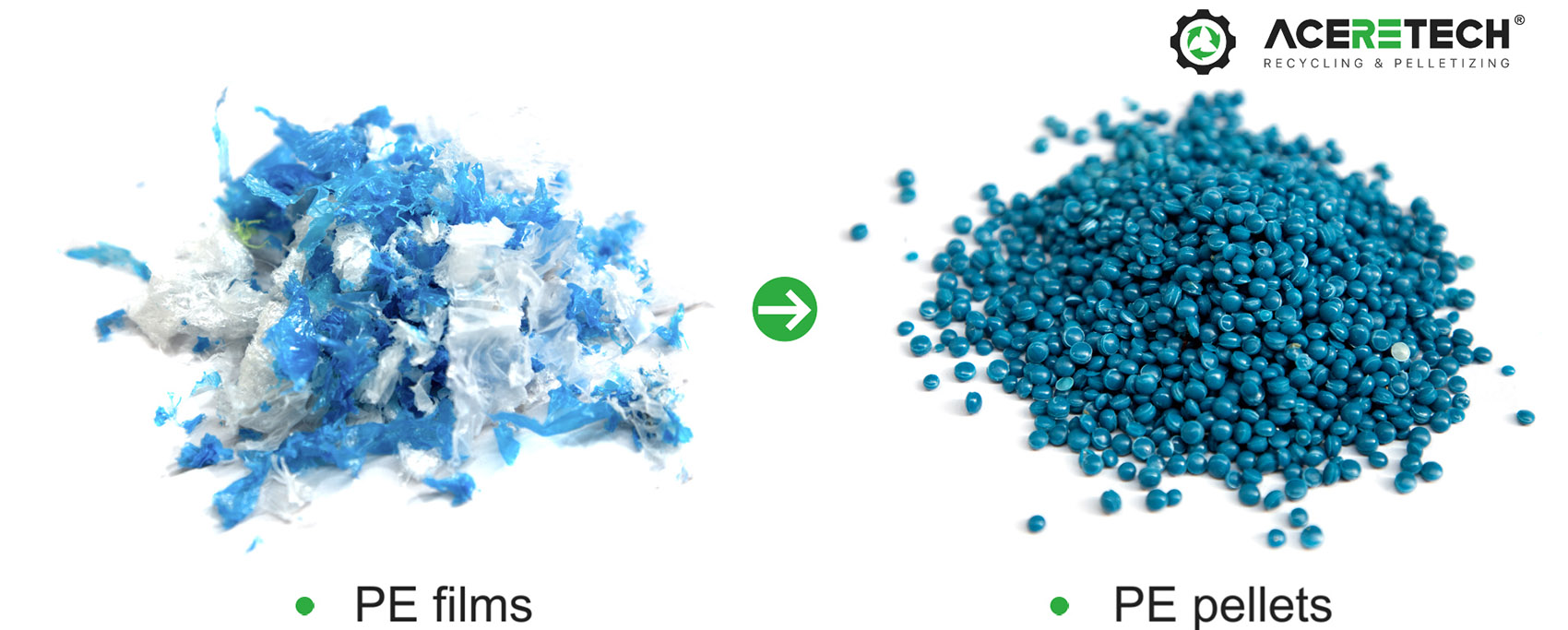
Цель системы — переработка отходов ПЭ-пленки и их преобразование в гранулы вторичного полиэтилена для дальнейшего использования в производстве.
II. Характеристики ПЭ-пленки и сложности переработки
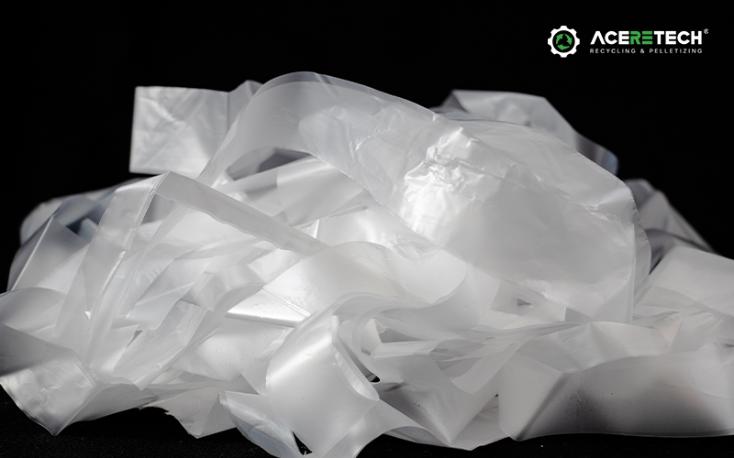
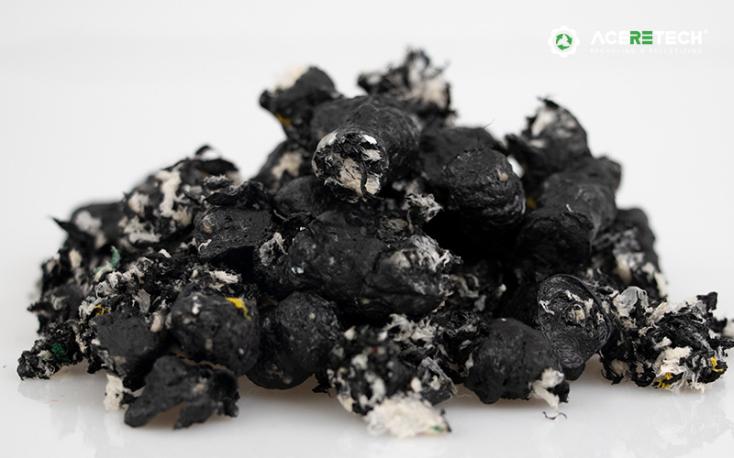
Отходы ПЭ-пленки могут поступать из различных источников, включая упаковочную и промышленную пленку, стрейч-пленку, пленку для сельскохозяйственных нужд и производственные обрезки. При переработке материал может создавать ряд проблем.
1. Низкая насыпная плотность
ПЭ-пленка имеет малый вес и занимает большой объем по отношению к своей массе. Это может затруднять транспортировку материала и обеспечение стабильной подачи.
Поэтому для поддержания непрерывного потока материала на всех этапах переработки необходима грамотно спроектированная система подачи и измельчения.
2. Спутывание пленки
Из-за гибкости и малого веса ПЭ-пленка может легко наматываться на вращающиеся детали оборудования в процессе переработки.
Следовательно, оборудование, используемое в линии переработки, должно быть адаптировано для работы с гибкими пленочными материалами и обеспечивать стабильную эксплуатацию.
3. Загрязнения
В зависимости от источника отходов, ПЭ-пленка может содержать такие загрязнения, как грязь, пыль, этикетки, клей или другие посторонние материалы.
Для повышения чистоты материала перед грануляцией требуется эффективный процесс мойки.
4. Влага после мойки
После мойки ПЭ-пленка удерживает влагу, содержание которой необходимо снизить перед этапом грануляции.
Таким образом, система обезвоживания является важной частью общего процесса переработки, подготавливая вымытую пленку к стабильной дальнейшей обработке.
III. Решение ACERETECH для переработки ПЭ-пленки
Учитывая характеристики ПЭ-пленки, компания ACERETECH разработала комплексный технологический процесс переработки, объединяющий этапы мойки и грануляции.
Система сочетает в себе несколько стадий обработки, обеспечивая непрерывный цикл работы: от подачи сырья до получения готовых гранул.
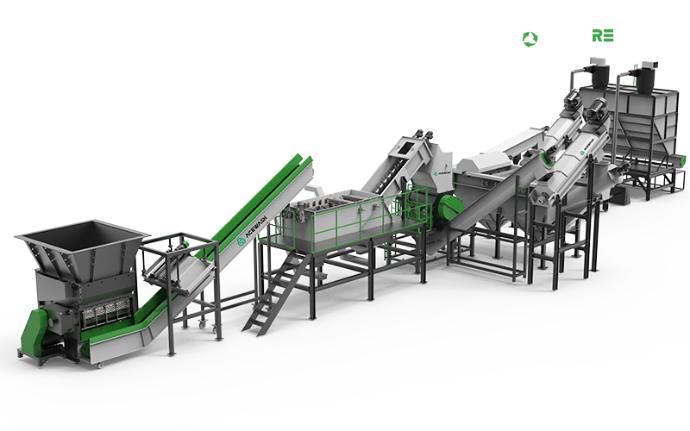
Полный технологический цикл включает:
Ленточный конвейер → Металлодетектор → Однороторный шредер → Фрикционная мойка → Ванна для ополаскивания → Обезвоживающая машина → Гранулирующий экструдер → Система фильтрации расплава → Машина для обезвоживания гранул → Бункер-накопитель для гранул
Каждый этап играет важную роль в подготовке ПЭ-пленки к последующей стадии обработки.
Этап 1: Подача материала и обнаружение металла
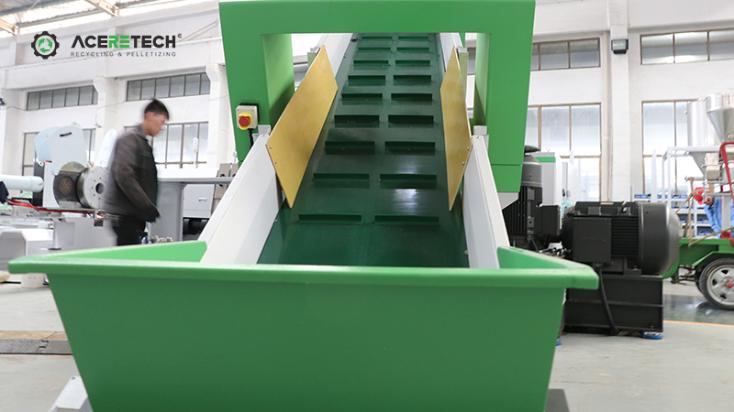
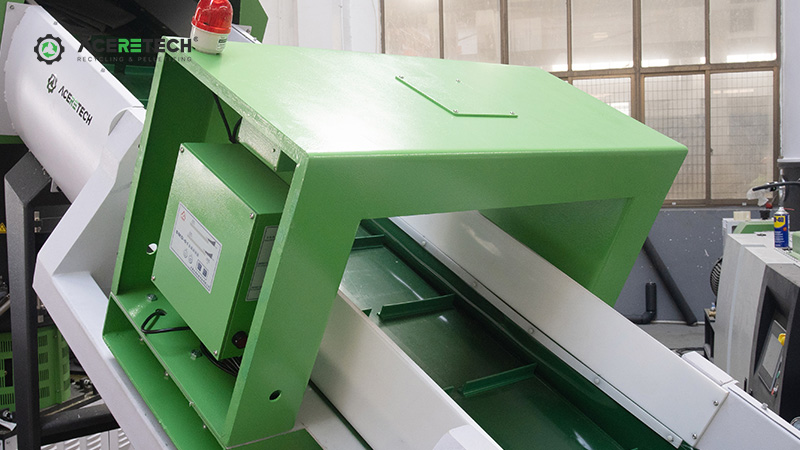
Сначала ПЭ-пленка подается в систему переработки с помощью ленточного конвейера.
Перед этапом измельчения материал проходит через систему обнаружения металла.
Металлодетектор используется для выявления металлических включений и защиты последующего оборудования от возможных повреждений.
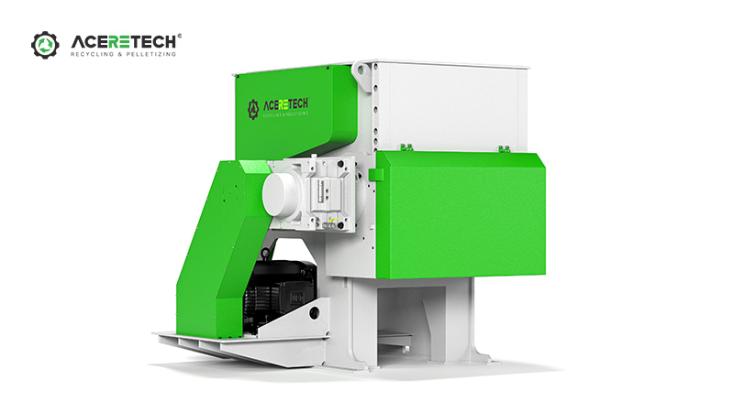
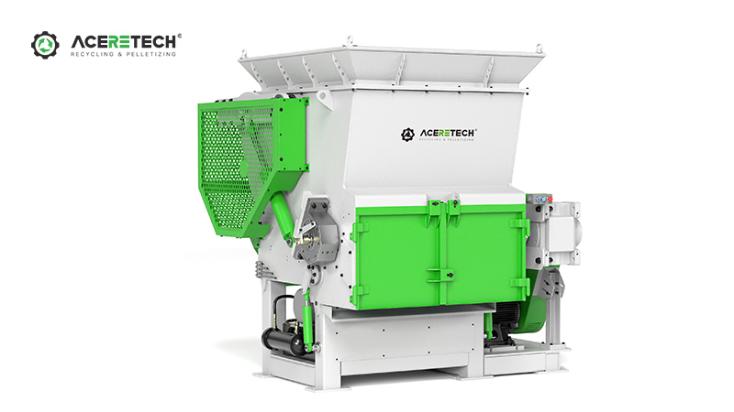
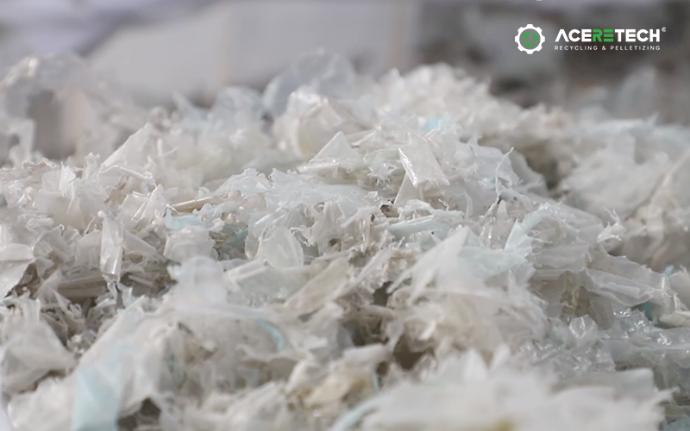
После проверки на наличие металла материал поступает в однороторный шредер для измельчения.
Этап измельчения позволяет уменьшить размер ПЭ-пленки и облегчает обращение с материалом в процессе последующей мойки.
Полученный материал подготовлен к дальнейшей мойке и переработке.
Оборудование: Однороторный шредер
Размер фракции на выходе: 30–100 мм
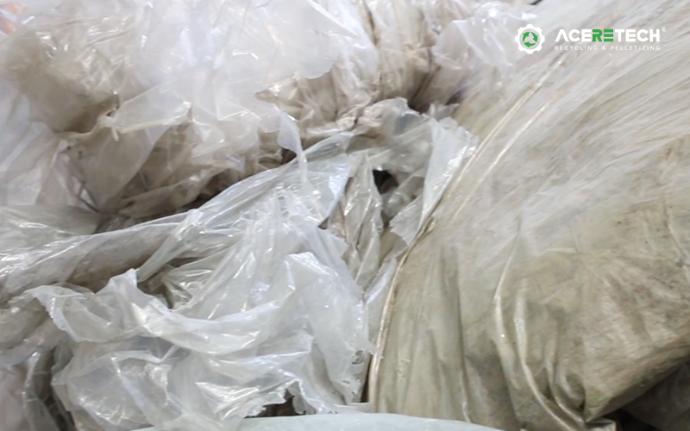
После измельчения ПЭ-пленка поступает в зону мойки.
Фрикционная мойка используется для удаления загрязнений с поверхности материала за счет механического трения и воздействия воды.
Затем материал поступает в ванну для ополаскивания для дополнительной очистки и разделения.
Процесс мойки позволяет удалить грязь, пыль и другие загрязнения, присутствующие на ПЭ-пленке.
Похожие статьи
Решение для мойки ПЭ-пленки
Этап 4: Обезвоживание
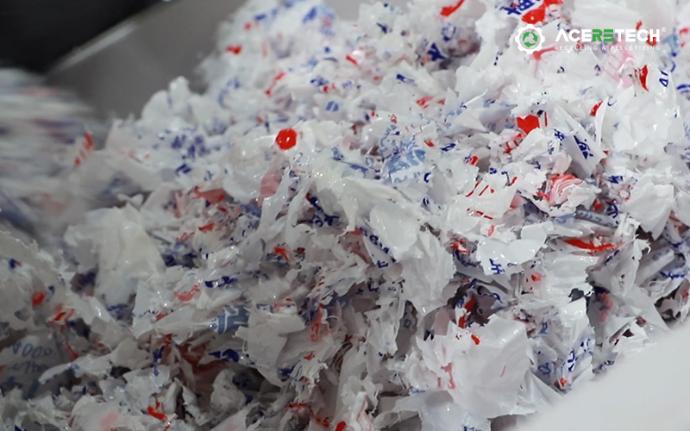
После мойки и ополаскивания материал поступает в обезвоживающую машину.
На этапе обезвоживания из вымытой ПЭ-пленки удаляется значительное количество воды, и материал подготавливается к процессу грануляции.
Снижение влажности важно для обеспечения стабильного хода процессов экструзии и грануляции.
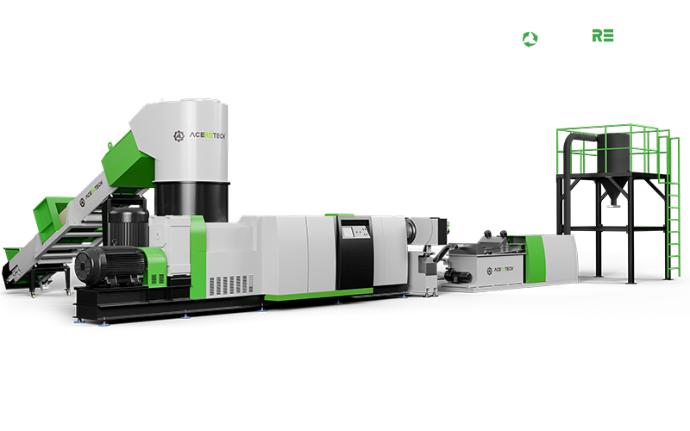
Подготовленная ПЭ-пленка подается в гранулирующий экструдер.
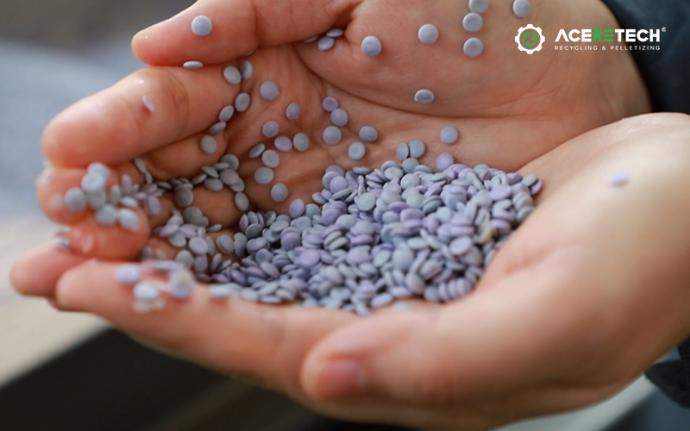
В процессе экструзии материал расплавляется и гомогенизируется. Затем расплавленный пластик проходит через систему фильтрации расплава для дополнительной очистки материала от примесей.
После фильтрации расплав перерабатывается в гранулы вторичного полиэтилена (ПЭ).
Похожие статьи
Решение для гранулирования пленки из ПЭ
Этап 6: Обезвоживание и хранение гранул
После гранулирования гранулы проходят через систему обезвоживания для удаления остатков влаги.
Затем готовые гранулы направляются в силос для сбора и хранения.
Конечным продуктом является переработанный полиэтилен (ПЭ), который может использоваться в качестве сырья для дальнейшего производства пластиковых изделий (в зависимости от свойств и требований к качеству гранул).
IV. Ключевые преимущества комплексной системы переработки
Комплексное решение по переработке полиэтиленовой пленки объединяет несколько этапов обработки в единую непрерывную систему.
Основные преимущества:
• Непрерывная транспортировка материала: от подачи до сбора готовых гранул
• Обнаружение металлов для защиты последующего оборудования
• Эффективное измельчение гибкой полиэтиленовой пленки
• Мойка и ополаскивание для удаления загрязнений
• Обезвоживание перед процессом гранулирования
• Фильтрация расплава в процессе экструзии
• Интегрированные системы транспортировки и хранения гранул
• Полный цикл переработки: от отходов пленки до гранул вторичного сырья
Благодаря интеграции этих процессов в единую систему переработки отходы полиэтиленовой пленки можно перерабатывать более эффективно, превращая их в пригодный для повторного использования материал.
V. Области применения гранул из переработанного полиэтилена
В зависимости от свойств и качества переработанного материала, гранулы могут использоваться в различных сферах производства пластиковых изделий.
Типичные области применения:
• Мешки для мусора
• Пакеты для покупок
• Упаковочные материалы
• Изделия для сельского хозяйства
• Листовой пластик
• Экструзионные изделия
• Изделия, полученные методом литья под давлением
• Изделия, полученные методом выдувного формования
В некоторых случаях переработанный полиэтилен может смешиваться с первичным сырьем в соответствии с требованиями к конечному продукту.
Заключение
Данный проект по переработке полиэтиленовой пленки демонстрирует полный цикл превращения отходов пленки в гранулы вторичного сырья.
Система объединяет следующие этапы:
Подача → Обнаружение металлов → Измельчение → Мойка → Ополаскивание → Обезвоживание → Гранулирование → Фильтрация расплава → Обезвоживание гранул → Хранение
Объединение этих этапов в комплексное решение позволяет осуществлять непрерывную переработку отходов полиэтиленовой пленки в гранулы, пригодные для повторного использования.
Компания ACERETECH разрабатывает каждый проект переработки с учетом характеристик исходного материала и требований заказчика к технологическому процессу. Комплексная система может быть сконфигурирована для решения любых задач — от измельчения и мойки до гранулирования и финальной обработки материала — обеспечивая эффективную переработку различных видов пластиковых отходов.
FAQ
Q1. Какие типы материалов может перерабатывать эта система?
A: Эта система переработки предназначена для материалов из полиэтиленовой (ПЭ) пленки. В зависимости от конкретных требований проекта, исходным сырьем могут служить упаковочная, промышленная, стрейч- или сельскохозяйственная пленка, а также другие виды отходов ПЭ-пленки.
Q2. Как происходит процесс переработки ПЭ-пленки в гранулы?
A: В данном проекте процесс переработки ПЭ-пленки включает следующие этапы: подачу материала, обнаружение металла, измельчение, мойку, ополаскивание, обезвоживание, грануляцию, фильтрацию расплава, обезвоживание гранул и их хранение.
Q3. Зачем в линию переработки включен этап обнаружения металла?
A: Обнаружение металла позволяет выявить металлические включения до того, как материал поступит в последующее технологическое оборудование. Это снижает риск повреждения таких агрегатов, как измельчители и системы грануляции.
Q4. Почему при переработке ПЭ-пленки необходима мойка?
A: В зависимости от происхождения сырья, ПЭ-пленка может содержать грязь, пыль, этикетки, клей или другие загрязнения. Процесс мойки позволяет повысить чистоту материала перед грануляцией.
Q5. Какова цель фильтрации расплава?
A: Фильтрация расплава применяется в процессе экструзии для дополнительного удаления примесей из расплавленного материала и повышения однородности качества получаемых гранул.
Q6. Где можно использовать переработанные ПЭ-гранулы?
A: В зависимости от свойств и требований к качеству, переработанные ПЭ-гранулы могут использоваться для производства упаковки, пакетов, изделий для сельского хозяйства, листовых материалов, а также различных изделий, изготавливаемых методами экструзии, литья под давлением или выдувного формования.
Ищете решение для переработки ПЭ-пленки?
Если вы планируете проект по переработке ПЭ-пленки, компания ACERETECH готова предложить комплексные решения, включающие измельчение, мойку, обезвоживание, грануляцию, фильтрацию и обработку готовых гранул.
Конфигурация системы может быть разработана с учетом характеристик исходного сырья и специфических
требований вашего проекта.
Свяжитесь с ACERETECH, чтобы обсудить ваши потребности в переработке ПЭ-пленки и подобрать подходящее решение.