PE Film Recycling Solutions: A Complete Washing and Pelletizing Process for Sustainable Plastic Recycling

2026/06/18

I. Introduction: The Importance of PE Film Recycling

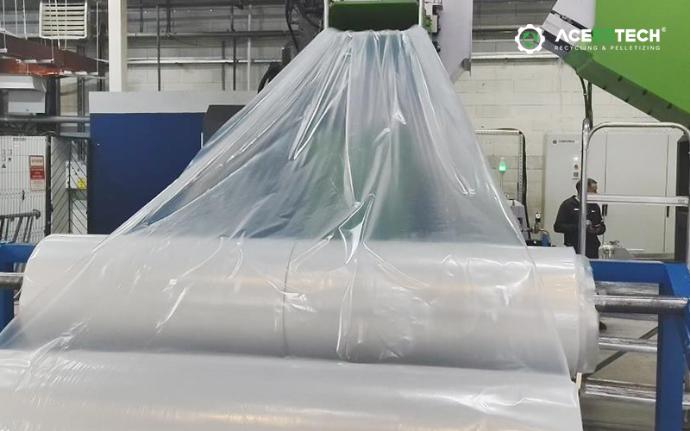
Polyethylene (PE) film is one of the most widely used plastic materials globally. It is commonly found in packaging films, agricultural films, stretch films, shopping bags, industrial packaging films, and post-consumer plastic waste.
Thanks to its lightweight nature and high flexibility, PE film offers excellent packaging performance. However, compared to rigid plastics, these same characteristics make recycling PE film more challenging.
With increasingly stringent global regulations on plastic waste management and the continued growth in demand for recycled plastics, efficient PE film recycling solutions are crucial for recyclers, waste management companies, and plastic manufacturers.
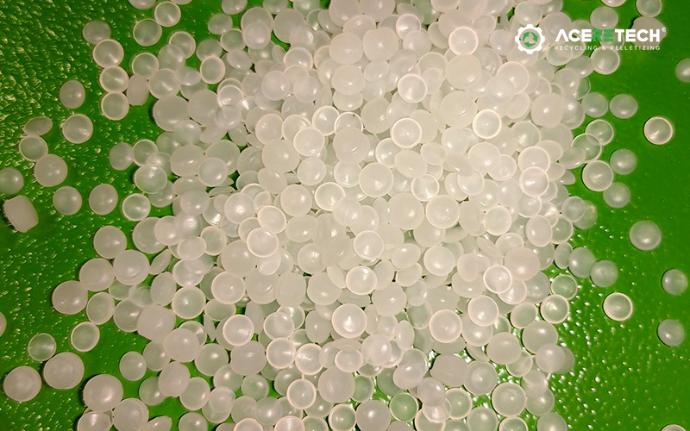
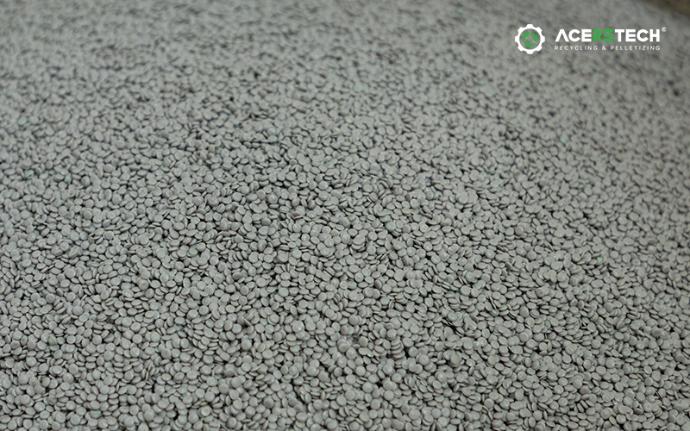
A comprehensive PE film recycling system can transform contaminated waste film into high-quality recycled pellets suitable for manufacturing new plastic products, thereby creating both environmental and economic value.


II. What is PE Film?

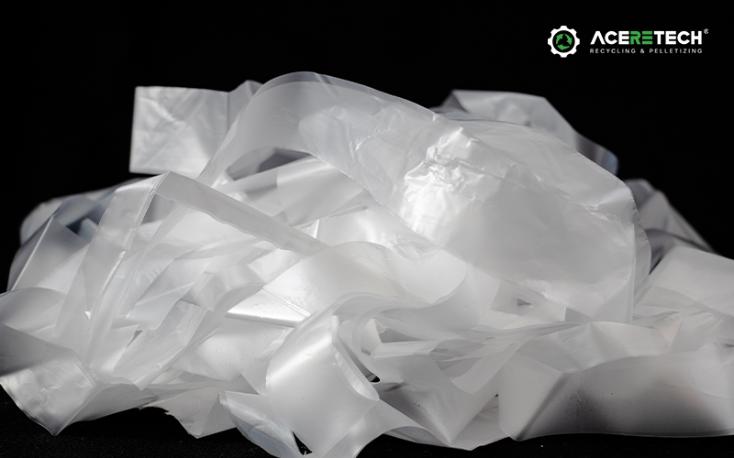
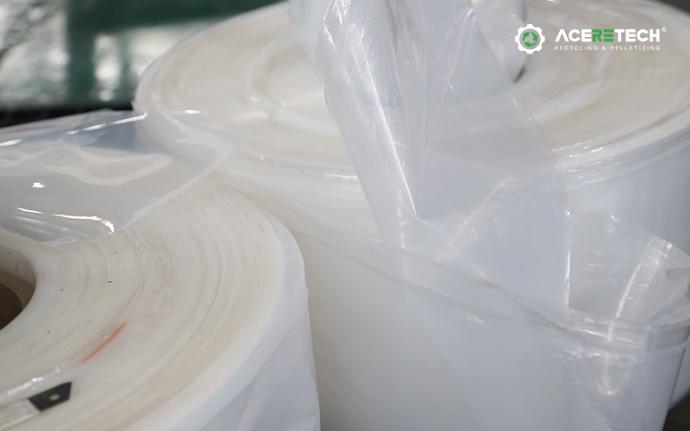
PE film refers to plastic film products made from polyethylene resin.

Common types of polyethylene (PE) film include:

1. Low-density polyethylene (LDPE) film

Typical applications:

Shopping bags, Packaging bags, Industrial film, Shrink film

Characteristics:

Soft texture, Excellent flexibility, Easy to process

2. Linear low-density polyethylene (LLDPE) film

Typical applications:

Stretch film, Pallet wrapping film, Agricultural film

Characteristics:

Higher tensile strength, Better puncture resistance, Excellent elongation

3. High-density polyethylene (HDPE) film

Typical applications:

T-shirt bags, Ultra-thin packaging film

Characteristics:

Higher rigidity, Stronger mechanical strength

III. Main sources of polyethylene film waste

Polyethylene film recycling facilities typically process:

1. Post-industrial film waste (PIR)

Examples:

Factory production waste
Trim/scrap waste
Printed film waste
Packaging waste

Advantages:

Cleaner material
Lower contamination
Higher recycling value

2. Post-consumer film waste (PCR)

Examples:

Used shopping bags
Agricultural mulch film
Household packaging film
Stretch film waste

Challenges:

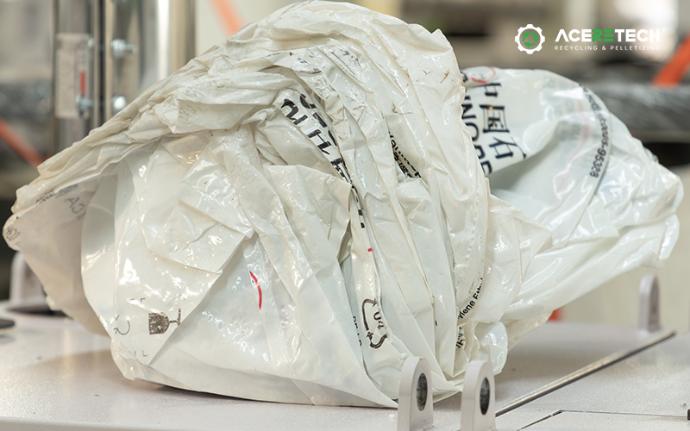
Dirt contamination
Moisture
Organic residues
Mixed plastics

IV. Why is PE film difficult to recycle?

Compared to rigid plastics, PE film recycling faces numerous challenges.

1. High contamination levels

Discarded film often contains:

Dirt/soil
Sand
Labels
Adhesives
Organic residues
Moisture

Incomplete cleaning significantly reduces the quality of the resulting pellets.

2. Low bulk density

Loose film is bulky and voluminous.

Challenges include:

Transportation difficulties
Unstable feeding
Low processing efficiency

Therefore, shredding and compaction are usually required prior to pelletizing.

3. Film entanglement issues

Long, flexible film tends to wrap around rotating equipment; professional film recycling systems require specially designed shredders and granulators to ensure stable operation. 4. Dehumidification Challenge

Agricultural films and washed films typically have high moisture content; an effective drying system is crucial for achieving consistent pellet quality.

V. Complete PE Film Recycling Process

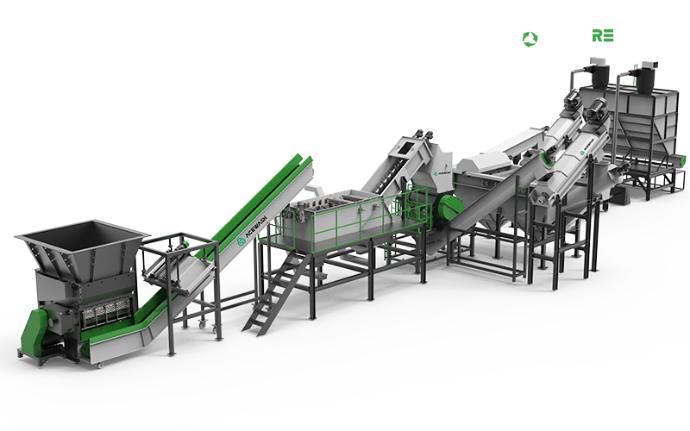
Modern PE film recycling solutions typically comprise the following steps:

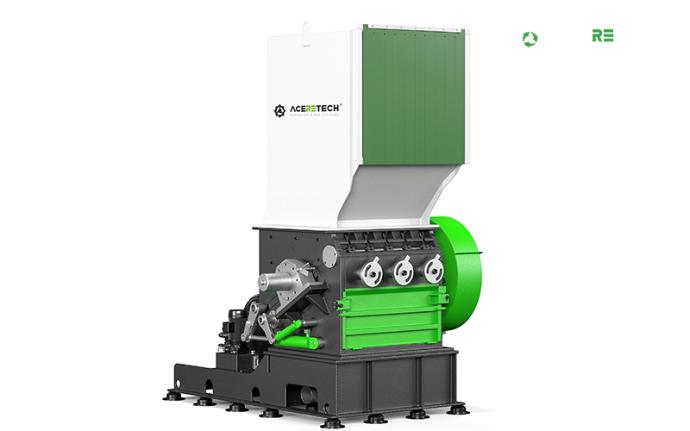
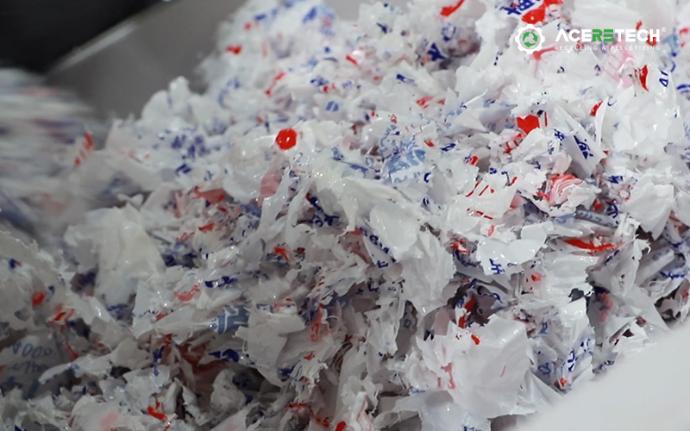
Step 1: Plastic Film Crushing

Purpose:

Size reduction
Uniform feeding
Improved processing efficiency

Recommended Equipment: Single-shaft shredder
Output Size: 30–100 mm

Related Articles

PE Film Shredding Solutions

Step 2: Plastic Film Washing

The washing stage removes contaminants from the film surface.

Typical equipment includes:

Friction washer
Rinsing tank
High-speed friction washer
Hot washing system (optional)
Dewatering system: Final moisture content: below 3%–5%

Related Articles

PE Film Washing Solutions

Step 3: Plastic Film Pelletizing

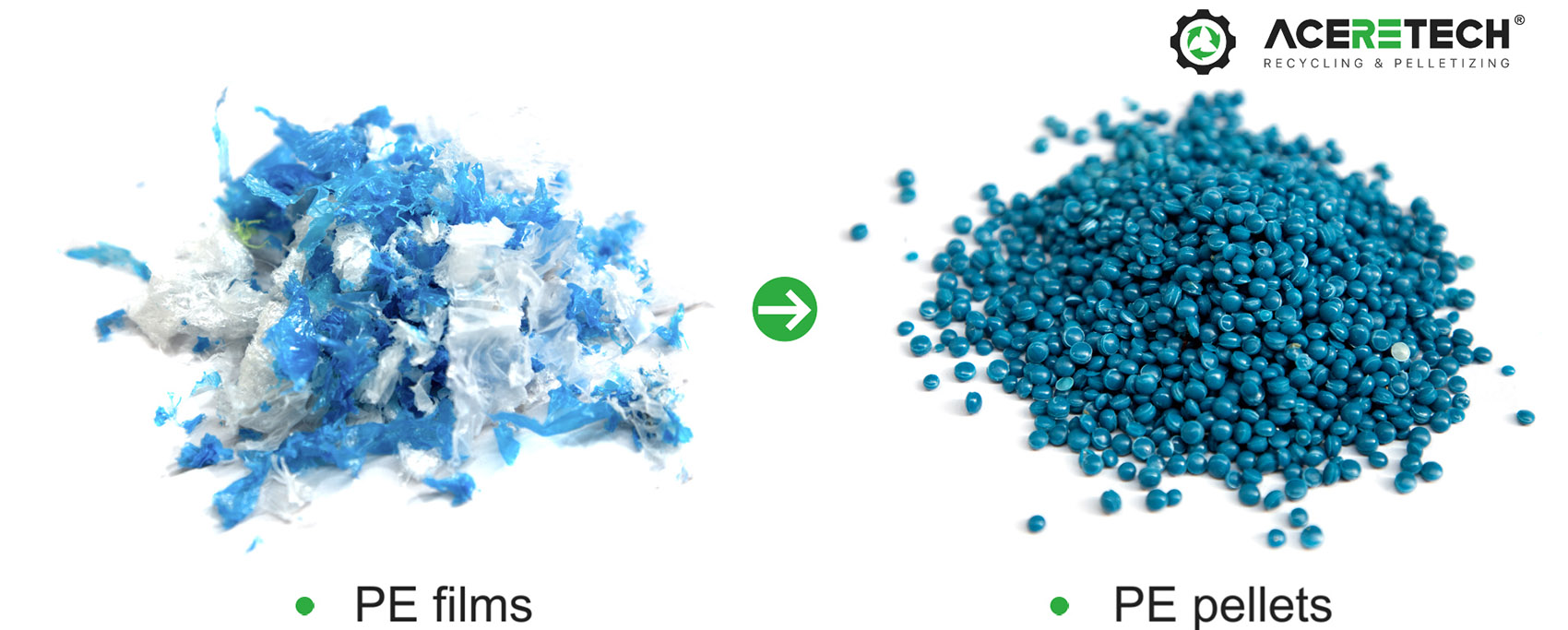
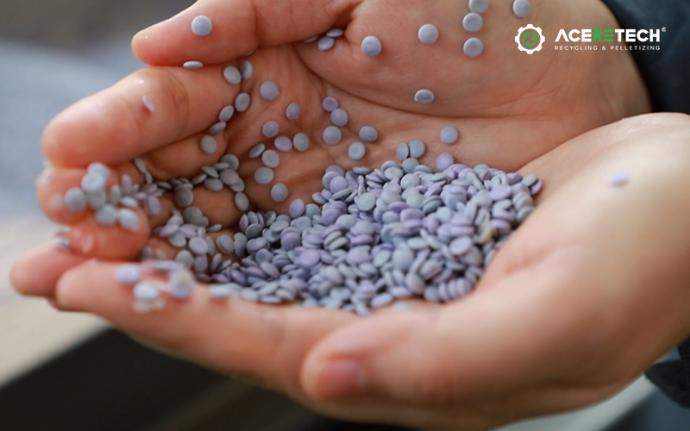
Clean film scraps are processed into recycled plastic pellets.

Common pelletizing technologies include:

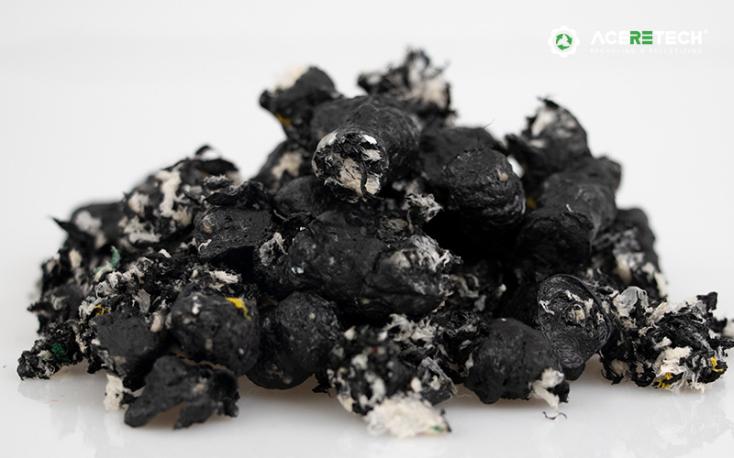
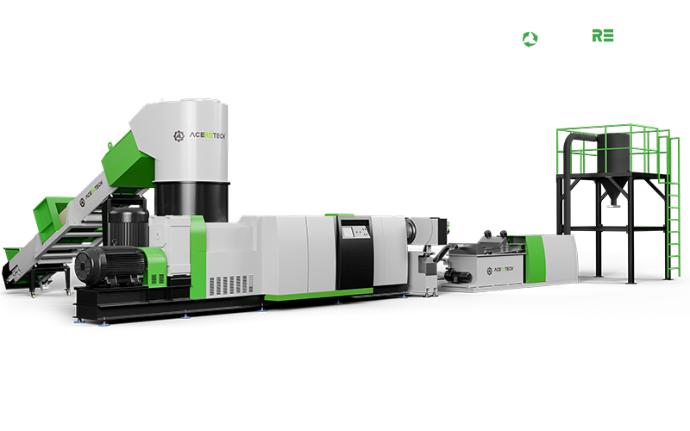
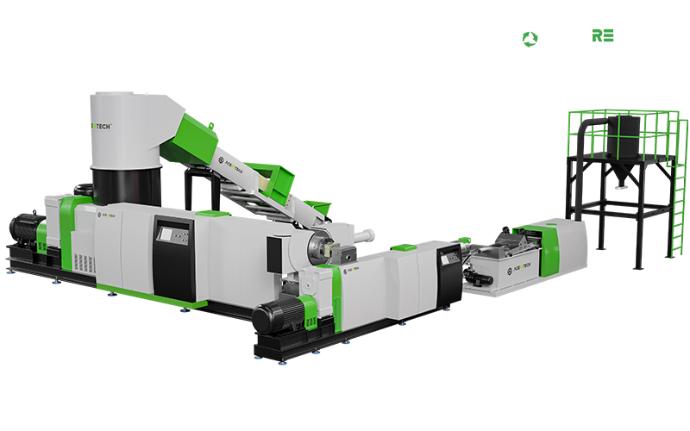
1. Cutter-Compactor Pelletizing System

Applications:

Clean film scrap
Industrial waste

Advantages:

Compact design
High throughput
Low energy consumption

Related Reading

PE Plastic Packaging Bag Compacting and Pelletizing Solutions

2. In-plant Recycling Pelletizing System

Applications:

In-line recycling and reuse of various in-plant scraps generated during production, such as edge trims, start-up waste, off-spec products, and production residues.

System Advantages:

Stable feeding and reliable operation
Integrates crushing and pelletizing
Reduces labor costs
Supports continuous production
Improves raw material utilization
Energy-efficient with a fast return on investment

Related Article

PE Film In-plant Recycling Pelletizing Solutions

3. Two-stage Pelletizing System

Applications:

Printed film
Moisture-sensitive materials
Heavily contaminated materials

Advantages:

Superior degassing performance
Higher pellet quality
Enhanced filtration

Related Article

PE Film Two-stage Compactor-Pelletizing Solutions

Typical PE film recycling line configuration

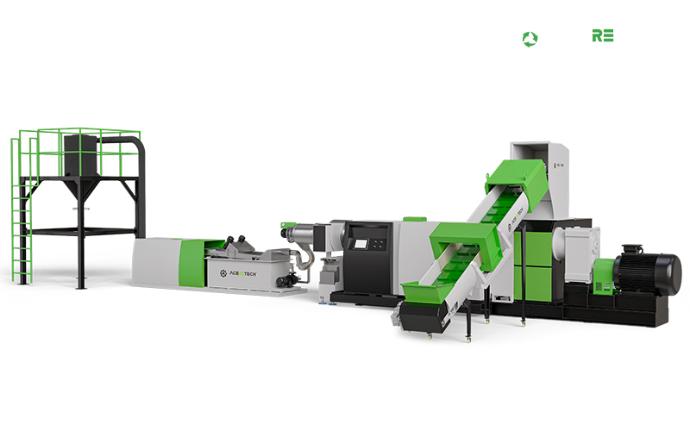
A complete PE film recycling system may include: Belt conveyor → Metal detector → Shredder → Friction washer → Rinsing tank → Dewatering machine → Pelletizing extruder → Melt filtration system → Pellet dewatering machine → Pellet silo

VI. End-use applications of recycled PE pellets

High-quality recycled PE pellets can be used for:

Packaging products: Garbage bags / shopping bags / courier bags
Agricultural products: Agricultural films / irrigation products / protective covers
Construction materials: Plastic sheets / plastic pipes / composite products
Industrial applications: Injection molded products / extruded products / blow molded products

VII. Conclusion

PE film recycling has become a crucial link in the plastics circular economy. Despite challenges such as heavy contamination, low bulk density, and high moisture content associated with film waste, modern washing and pelletizing technologies can efficiently transform waste PE film into high-value recycled pellets. 

By selecting the right PE film recycling solution, recyclers can improve production efficiency, reduce operating costs, and produce high-quality recycled materials that meet growing market demand.

FAQ

A: The most efficient PE film recycling process typically involves shredding, washing, dewatering, drying, and pelletizing. For heavily contaminated post-consumer PE film, a complete washing and pelletizing line is recommended to remove dirt, grit, labels, and moisture, thereby producing high-quality recycled pellets.

A: Most polyethylene (PE) films can be recycled, including LDPE film, LLDPE stretch film, HDPE film, agricultural film, greenhouse film, packaging film, shrink film, and industrial stretch wrap. The appropriate recycling solution depends on the material's condition, the level of contamination, and the required pellet quality.

A: Key challenges include heavy contamination, low bulk density, residual moisture, and unstable feeding caused by the lightweight nature of the film material. Modern PE film recycling systems address these issues through advanced washing technologies, compaction feeding systems, efficient drying units, and optimized pelletizing processes.

A: High-quality recycled PE pellets can be used to manufacture trash bags, shopping bags, packaging films, agricultural films, plastic sheets, pipes, and various extruded or injection-molded products. In many applications, recycled pellets can be blended with virgin material to reduce production costs while maintaining product performance.

A: Recycling post-industrial PE film involves clean production waste—such as edge trims, start-up scrap, and off-spec film—which typically requires minimal washing before it can be directly recycled and pelletized. The recycling of post-consumer PE film targets used packaging film, agricultural film, and household plastic waste; as these materials are often contaminated with dirt, labels, moisture, and other impurities, they require thorough washing and pelletizing processes.

应用