Аннотация
Благодаря исключительной коррозионной стойкости, устойчивости к давлению и долговечности, трубы из полиэтилена (ПЭ) широко используются в системах водоснабжения и водоотведения, газопроводах, системах сельскохозяйственного орошения и промышленных трубопроводах. В связи с образованием значительных объемов обрезков, отбракованных труб и производственных отходов, эффективное измельчение и надежная переработка материала стали важной задачей в отрасли рециклинга пластмасс.
Для решения проблем, связанных с переработкой толстостенных труб из ПЭ большого диаметра, компания ACERETECH разработала специализированное комплексное решение, сочетающее процессы шредирования (предварительного измельчения) и дробления. Благодаря последовательному применению этих этапов система обеспечивает высокую эффективность уменьшения размеров и получение однородного по фракции материала, создавая надежную основу для последующих процессов мойки, грануляции и регенерации сырья.
I. Основные проблемы при переработке полиэтиленовых труб
Трубы из ПЭ — особенно толстостенные трубы из ПЭВП (HDPE) — обычно создают следующие трудности в процессе переработки:
* Высокая вязкость и прочность материала: материал обладает высокой упругостью, и его трудно измельчить за один проход.
* Большой диаметр: трубы большого диаметра занимают значительное пространство при хранении.
* Толстые стенки: большая толщина стенки требует высокого крутящего момента от перерабатывающего оборудования.
* Сложность подачи: подача длинномерных труб в оборудование может быть затруднительна.
* Риск перегрузки: прямое дробление часто приводит к чрезмерной нагрузке на оборудование.
В результате использование только одной дробильной машины часто не позволяет достичь оптимальных результатов переработки.
Для решения этой задачи ACERETECH рекомендует комбинированную систему, состоящую из шредера серии MS и дробилки серии GF. Благодаря двухэтапному процессу измельчения система значительно повышает как стабильность работы, так и эффективность производства.
II. Пример внедрения: система измельчения и дробления труб из ПЭ
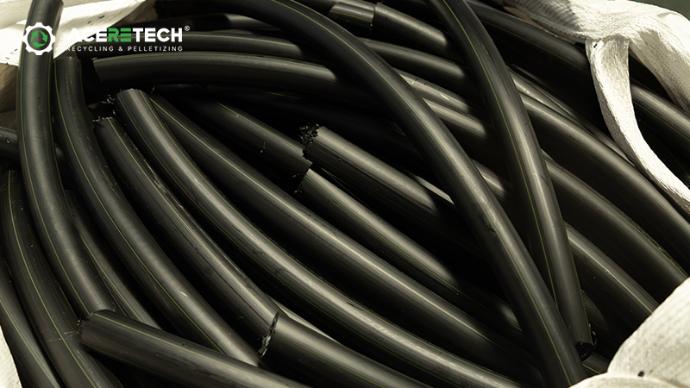
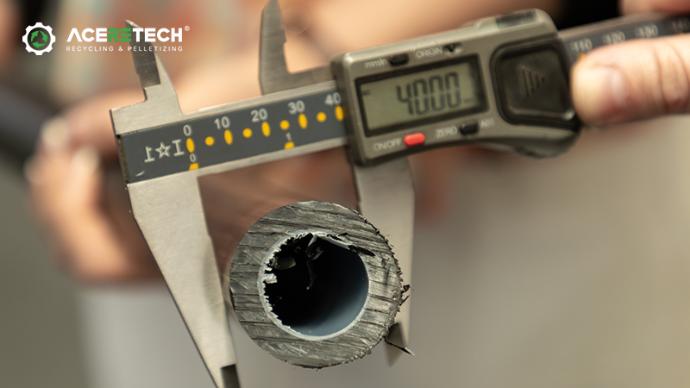
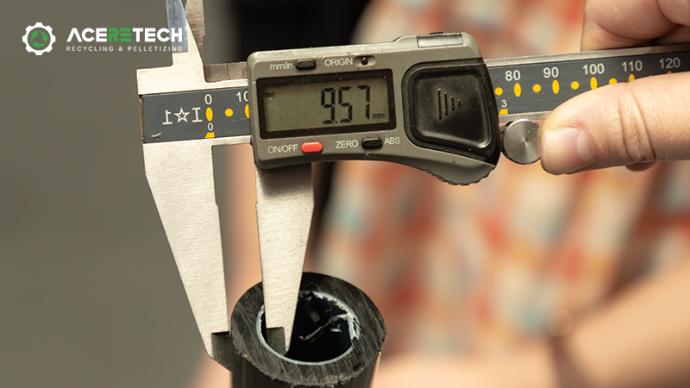
Информация о сырье
Сырье: трубы из ПЭ
Диаметр трубы: 40 мм
Толщина стенки: 9,57 мм
Данный тип материала относится к категории типичных жестких пластмасс с толстыми стенками; он обладает высокой прочностью на разрыв и вязкостью, что делает его идеальным для специализированного технологического процесса, включающего системы шредирования и дробления.
III. Индивидуальный технологический процесс
ПЭ-трубы → Шредирование → Дробление → Однородная фракция (хлопья)
Данная технологическая схема позволяет достичь следующих целей:
* Эффективное измельчение крупногабаритных материалов
* Снижение нагрузки на дробильное оборудование
* Повышение стабильности работы всей технологической линии
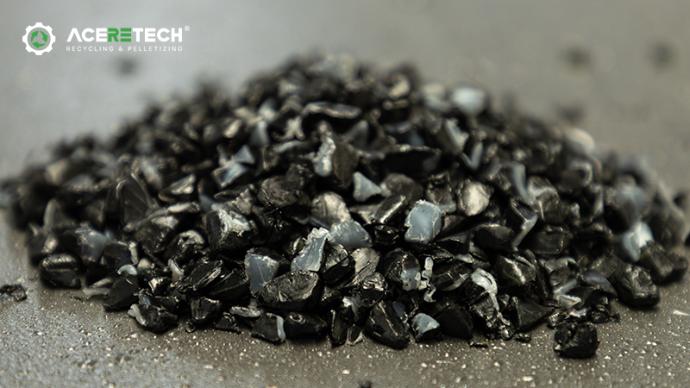
* Получение пластиковой фракции (хлопьев) с однородными размерами
* Повышение эффективности последующих этапов мойки и грануляции
Это решение является одним из самых надежных и проверенных на практике методов переработки ПЭ-труб, доступных на сегодняшний день.
IV. Основное оборудование
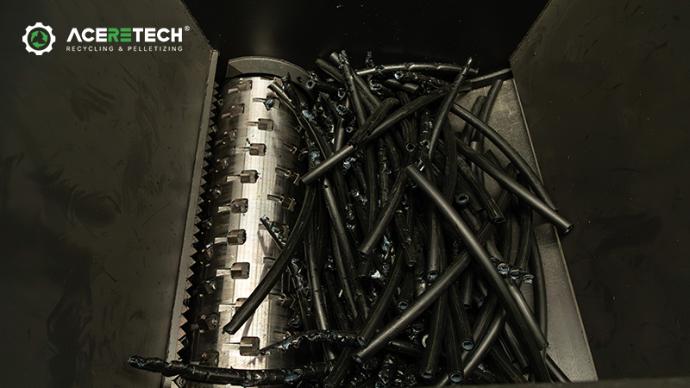
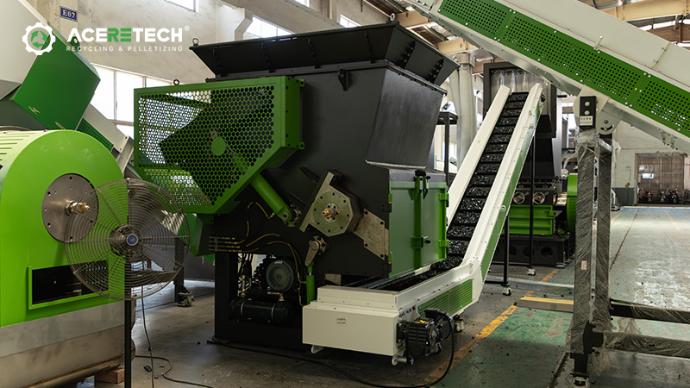

Технические характеристики оборудования
Модель: Шредер MS
Ширина ротора: 1500 мм
Особенности конструкции
Система ленточных конвейеров для стабильной и непрерывной подачи материала
Двигатель от ведущего производителя, обеспечивающий длительную и стабильную работу
Конструкция загрузочного бункера с защитой от разлета частиц (брызг) для повышения безопасности
Высокий крутящий момент при низкой скорости вращения, что подходит для переработки жестких пластиков высокой прочности
Мощная режущая система, позволяющая легко перерабатывать толстостенные трубы
Шредер MS предназначен для предварительного измельчения ПЭ-труб большого диаметра, превращая длинномерные и громоздкие изделия в фрагменты, пригодные для дальнейшей обработки в дробилке.
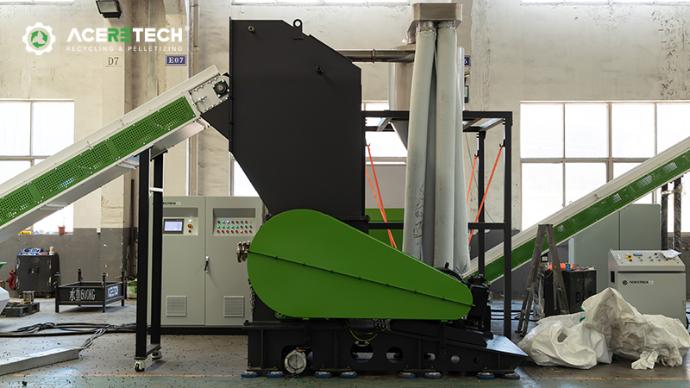
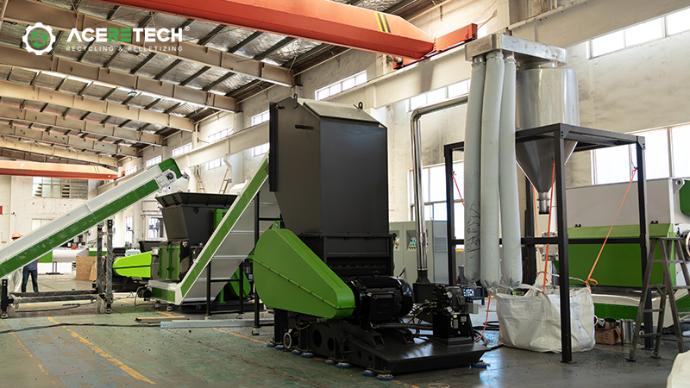
Параметры оборудования
Модель: Дробилка серии GF
Длина ротора: 1000 мм
Диаметр ротора: 700 мм
Особенности конфигурации
Двигатель от известного производителя для стабильной и надежной работы
Высокопрочный редуктор с повышенной несущей способностью
Система пневматической подачи в загрузочный бункер для повышения уровня автоматизации
Высокоэффективная режущая система, обеспечивающая равномерную и стабильную выгрузку материала
Эффективное повышение качества продукта на последующем этапе грануляции
Дробилка серии GF отвечает за вторичную обработку измельченных материалов, доводя их до идеального размера хлопьев.
V. Применимые материалы
Данная система широко применяется для переработки:
ПЭ-труб
Труб из ПНД (HDPE)
Жестких труб из ПВХ
Толстостенных изделий из ПП (PP)
Крупногабаритных пластиковых блоков
Отходов литья под давлением (литников, брака)
Отходов экструзионного производства
Оборудование особенно эффективно для измельчения крупногабаритных пластиковых отходов, отличающихся высокой прочностью и вязкостью.
VI. Why Recommend the "Shredding-then-Crushing" Approach?
По сравнению с прямым дроблением, комбинированная система «шредирование + дробление» обладает рядом существенных преимуществ:
Повышенная стабильность работы
Снижение пиковых ударных нагрузок на дробилку, что минимизирует износ оборудования.
Более высокая эффективность переработки
Предварительное измельчение жестких пластиков перед подачей в дробилку значительно повышает общую производительность.
Снижение затрат на техническое обслуживание
Уменьшение износа ножей и увеличение общего срока службы оборудования.
Высокое качество конечного продукта
Получение более однородной фракции (чешуек), что облегчает последующие процессы мойки и грануляции.
Широкие возможности применения
Подходит для переработки самых разных видов жестких пластиков и сложных отходов.
Именно поэтому все больше предприятий по переработке пластмасс выбирают двухстадийные системы измельчения.
VII. Комплексные решения ACERETECH для переработки пластика
Компания ACERETECH специализируется на производстве оборудования для переработки пластика и предлагает полный спектр решений:
Системы замкнутого цикла переработки пластика, включающие:
Оборудование для шредирования, дробления, мойки и грануляции пластика, а также системы интеллектуальной транспортировки и автоматического управления.
Позволяют клиентам достичь следующих результатов:
Повышение эффективности переработки
Стабильность производственных процессов
Снижение затрат на рабочую силу
Повышение ценности переработанных материалов
Реализация полноценного замкнутого производственного цикла переработки пластика.
Если вы ищете профессиональное оборудование для переработки пластика, свяжитесь с ACERETECH — мы предложим индивидуальное решение, максимально соответствующее вашим потребностям.
Свяжитесь с нами сегодня, чтобы получить персональное предложение по переработке.
Полезные материалы
Узнайте больше о примерах реализации проектов по мойке труб из ПЭ (полиэтилена).
Узнайте больше о примерах реализации проектов по грануляции листового ПЭ.
FAQ
Q1. Почему необходимо предварительно измельчать (шредировать) полиэтиленовые трубы перед их дроблением?
A: Поскольку полиэтиленовые трубы — особенно толстостенные — обладают высокой вязкостью и крупными габаритами, попытка их прямого дробления может легко привести к чрезмерной перегрузке оборудования. Предварительное измельчение на шредере для уменьшения объема, с последующей тонкой обработкой в дробилке, позволяет значительно повысить общую стабильность и эффективность работы всей производственной линии.
Q2. Какие виды пластиковых материалов подходят для переработки на шредере серии MS?
A: Шредер серии MS подходит для переработки полиэтиленовых (PE) и полиэтиленовых высокой плотности (HDPE) труб, жестких ПВХ-пластиков, толстостенных изделий из полипропилена (PP), крупных пластиковых блоков, технологических отходов (пурж) и различных видов высокопрочных промышленных пластиковых отходов.
Q3. Какова роль дробилки серии GF в комплексной линии переработки?
A: Дробилка GF Crusher предназначена главным образом для вторичной тонкой обработки материалов, уже прошедших предварительное измельчение (шредирование). Она измельчает материал до получения однородной фракции (хлопьев), что облегчает последующие процессы промывки, обезвоживания и грануляции, тем самым повышая качество получаемых гранул вторичного сырья.
Q4. Каковы преимущества комбинированной системы, объединяющей шредер и дробилку, по сравнению с использованием отдельных машин?
A: Двухступенчатая система обеспечивает более высокую производительность, более стабильную работу, сниженный износ режущих элементов, более однородную фракцию готового продукта, а также более низкие эксплуатационные расходы. Она особенно хорошо подходит для реализации масштабных проектов по переработке жестких видов пластика.
Q5. Может ли компания ACERETECH поставить комплексную производственную линию для переработки пластика?
A: Да. ACERETECH предлагает комплексные системы переработки пластика с замкнутым циклом — охватывающие все этапы: от шредирования, дробления и промывки до обезвоживания и грануляции. Кроме того, компания предоставляет услуги по индивидуальному проектированию оборудования с учетом специфики сырья заказчика и требуемой производственной мощности.