I. BOPP Film Recycling Challenges
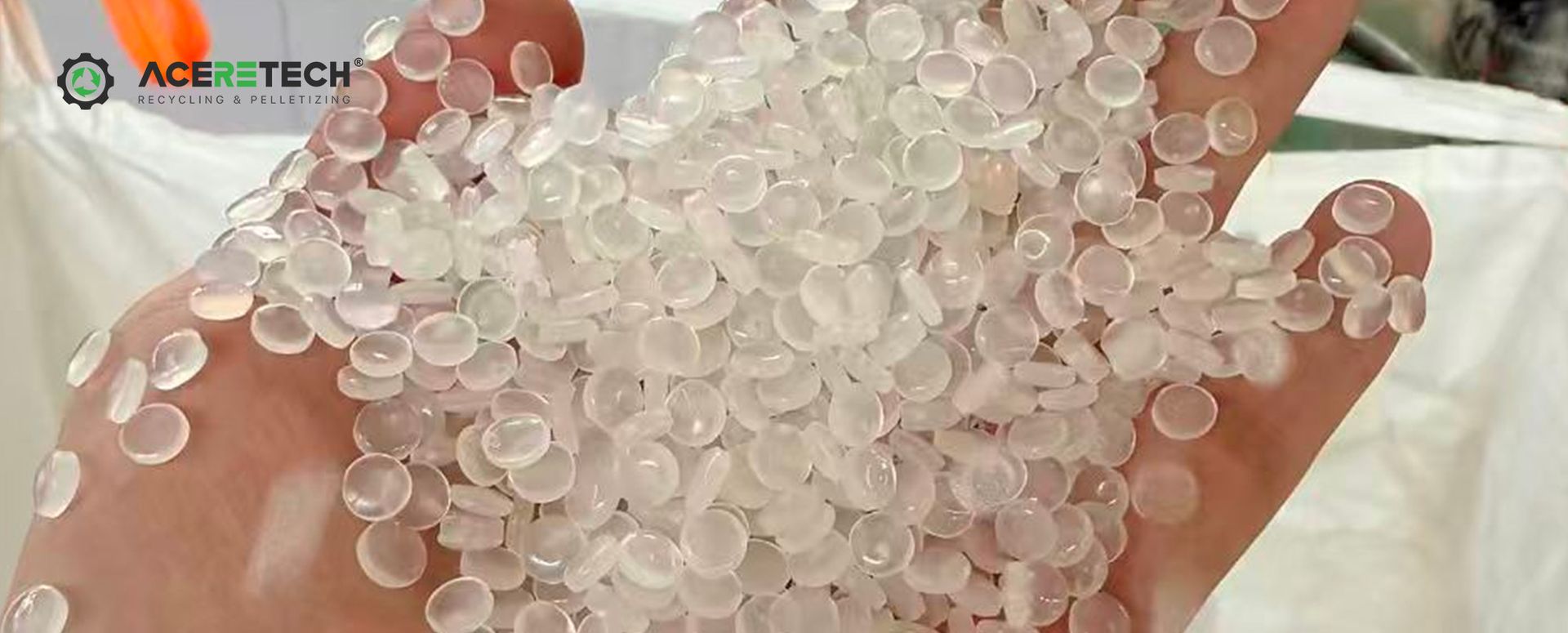
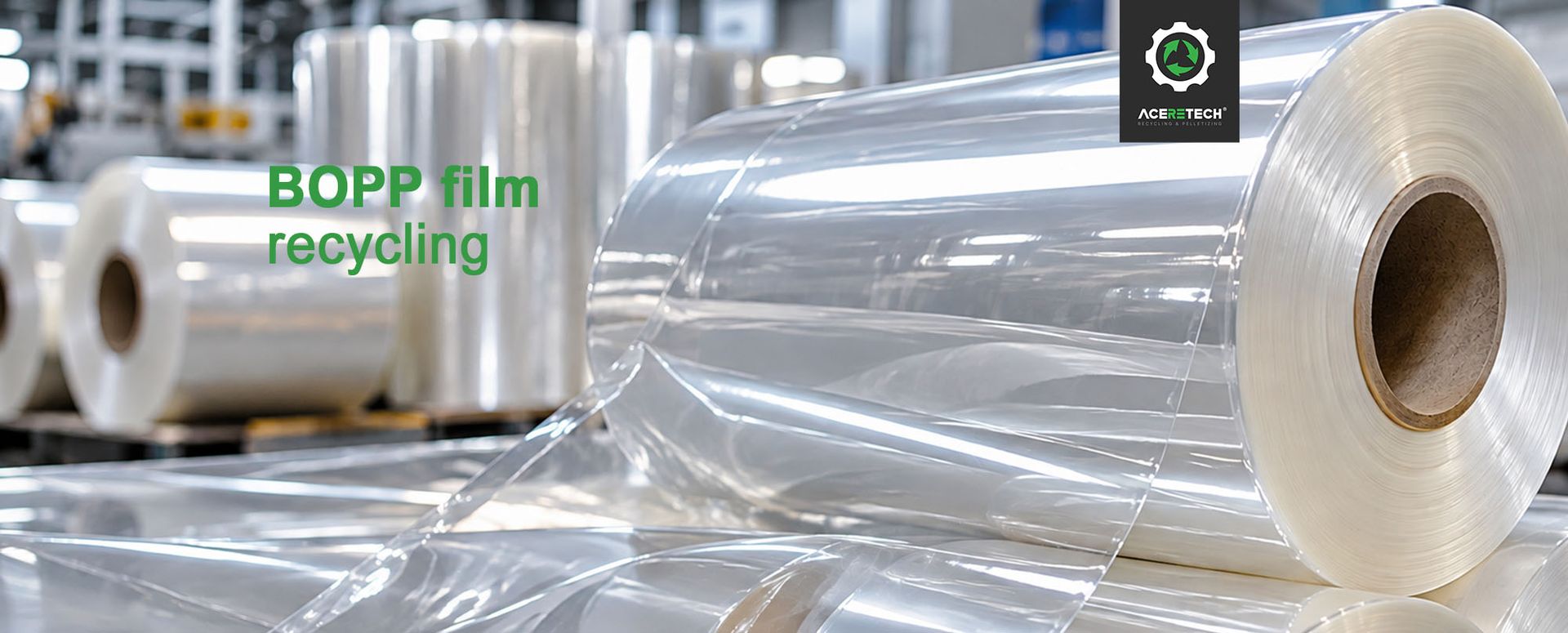
BOPP (biaxially oriented polypropylene) film is lightweight, transparent, and offers high mechanical strength. It is widely used in food packaging, labeling, adhesive tapes, and other packaging applications. During film production and converting processes, BOPP film scraps and edge trims are generated, creating a need for efficient BOPP film recycling and pelletizing solutions that can recover production waste and convert it into reusable plastic pellets.
II. Key Technical Challenges in BOPP Film Recycling
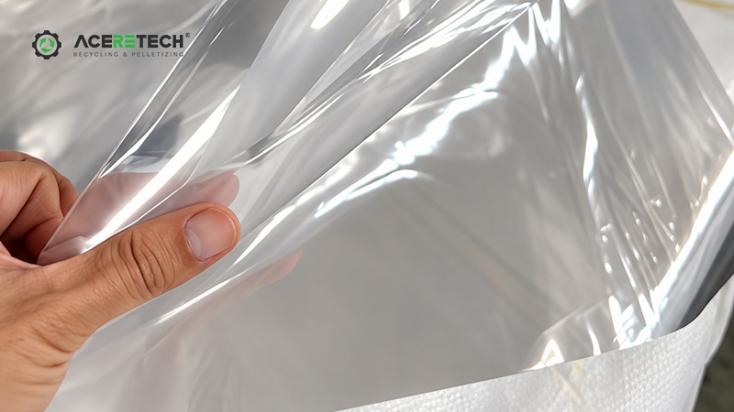
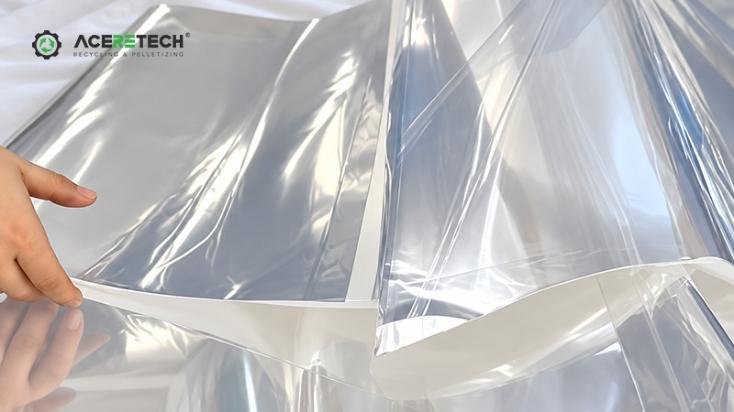
From a technical perspective, the recycling process of BOPP film will face the following issues.
Firstly, the film has extremely low packing density and high flexibility, which makes it easy to encounter problems such as unstable conveying and feed bridging when directly fed into the extruder. Secondly, BOPP is sensitive to thermal history, and the molecular orientation structure after stretching processing needs to be precisely controlled within the temperature window during melting and reprocessing to avoid thermal degradation.
Thirdly, printing ink and surface coatings will release volatile compounds during the melting process, and insufficient degassing will affect the stability of the melt and particle quality.
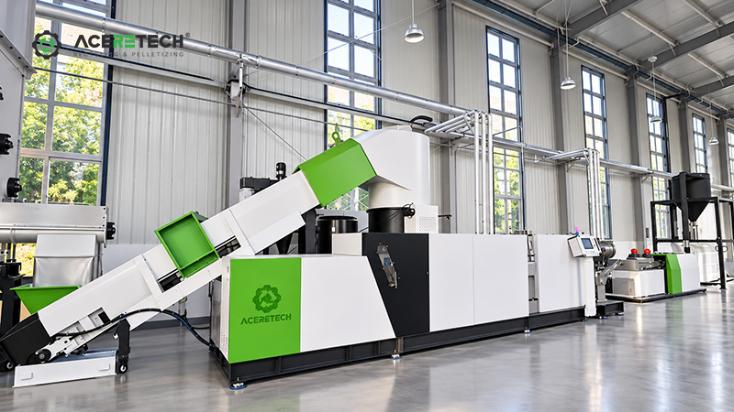
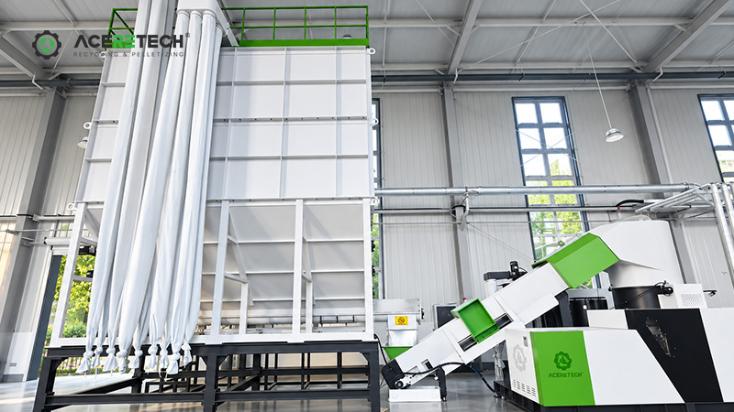
In response to the characteristics of the above-mentioned problems, modern recycling granulation systems usually adopt an integrated process of "cutting and compaction extrusion degassing filtration granulation". The cutting and compaction bin uses high-speed rotating blades to chop the film and pre dry, pre compact, and pre shrink it with frictional heat, synchronously increasing the bulk density, providing stable feed for downstream extrusion, and effectively dust and dry the raw materials. The extrusion process uses a single screw host, with a length to diameter ratio typically ranging from 28 to 40, or even longer. To ensure sufficient conveying and plasticizing space. In the design of the double extruder, a vacuum degassing zone is set between the two sections, which can effectively remove moisture, ink residue, and low molecular weight volatiles. The main cutting methods are water ring cutting and water cutting.
Related Articles
BOPP Film Recycling and Pelletizing Solutions
IV. Applications and Quality Considerations for Recycled BOPP Pellets
In terms of quality standards, BOPP recycled particles can be used to continue producing films or sold to factories with PP demand to produce other related PP plastic products. The stability of MFR directly determines whether the recycled material can meet the processing requirements of subsequent blown film or injection molding.