Summary:
PE bubble wrap recycling presents a unique processing challenge because the material is lightweight, bulky, and filled with trapped air. Although most bubble wrap is made from recyclable polyethylene, conventional extrusion systems often struggle to feed it consistently or remove gas effectively during pelletizing. In real production, issues such as low bulk density, residual moisture, printed surfaces, tape, and labels can further reduce line stability and pellet quality. To recycle bubble wrap efficiently, processors usually need more than a standard extruder. A suitable solution typically combines pre-compaction, stable feeding, effective vacuum degassing, and continuous melt filtration in one integrated line.
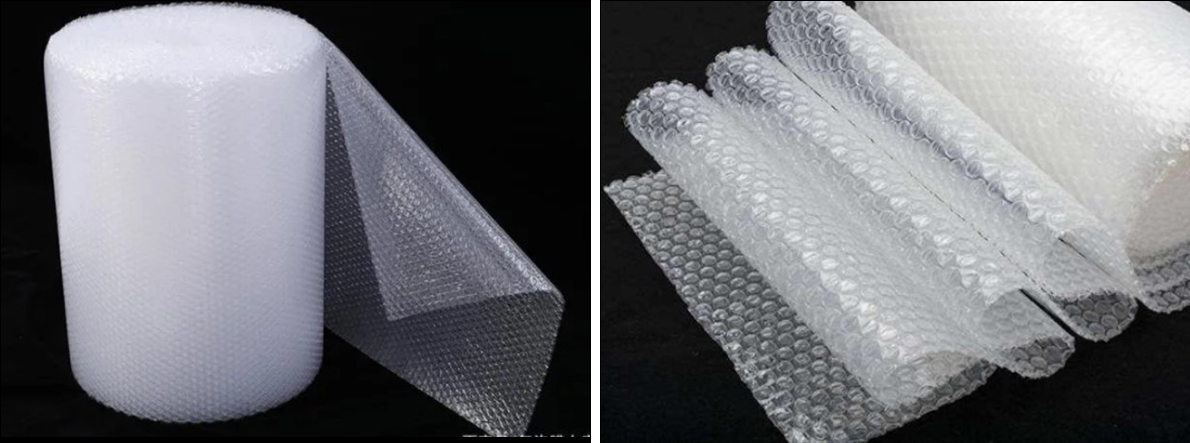
1. Can PE Bubble Wrap Be Recycled?
💡 The Recycler's Dilemma:
On paper, polyethylene is 100% recyclable. In reality, processing bubble wrap without the right pre-conditioning will stall your production line and drain your monthly profit margins through erratic feeding.
Yes. Most PE bubble wrap can be recycled because it is commonly made from polyethylene, such as LDPE or LLDPE. From a material perspective, it is recyclable. However, actual recycling performance depends on more than polymer type alone.
In practice, bubble wrap is one of the more difficult flexible packaging materials to process efficiently because of its bulky structure, trapped air pockets, and frequent contamination from labels, tape, printing, or dust. This means that while the material is recyclable, successful recycling depends heavily on whether the processing line can maintain stable feeding, remove gas effectively, and control melt cleanliness under real operating conditions.
2. What Is Bubble Wrap Made Of?
💡 Inside the Material Science:
For commercial recyclers, identifying the polymer is only 10% of the battle. The real challenge is managing how these lightweight, multi-layer structures behave under high heat and pressure.
Most industrial bubble wrap is made from polyethylene (PE), typically LDPE or LLDPE. Some bubble wrap waste may also include printed layers, adhesive tape, labels, or multi-layer structures, which can increase recycling difficulty. For recyclers, the bigger issue is usually not polymer identification alone, but how the material behaves during feeding, melting, degassing, and pelletizing.
3. Why Is PE Bubble Wrap Difficult to Recycle?
💡 The Bottom-Line Roadblocks:
Understanding why standard film extruders fail on bubble wrap is the quickest way to protect your machinery ROI. This lightweight fluff behaves completely differently from rigid plastic scrap.
Although PE itself is widely recyclable, bubble wrap behaves very differently from dense or rigid plastic scrap. Its structure creates several processing bottlenecks that standard film recycling lines may not handle well.
- Extremely Low Bulk Density: Bubble wrap contains a large volume of trapped air, so it takes up significant storage and feeding space while contributing relatively little actual material weight. This low bulk density often makes it difficult to feed consistently into a conventional hopper. Bridging, floating, and unstable material intake are common issues, especially when the line is not designed for fluffy flexible waste.
- Trapped Air and Residual Moisture: As bubble wrap is compressed and melted, the air originally sealed inside the bubble structure is released into the process. At the same time, residual surface moisture may enter the melt stream. If the system cannot remove these gases effectively, the final pellets may contain bubbles, internal voids, or unstable density, which can reduce downstream usability.
- Surface Contamination: Depending on the waste source, bubble wrap may carry tape, labels, printing ink, dust, or minor contamination from packaging operations. These impurities can affect melt cleanliness, increase filtration load, and create pressure instability during pelletizing. For this reason, melt filtration is especially important when processing real-world packaging waste.
- Risk of Thermal Degradation: Bubble wrap is a thin, flexible PE material. If processing relies on excessive heat or uncontrolled shear to force densification, the polymer can degrade, which may negatively affect pellet quality, odor, and downstream mechanical performance. Stable recycling therefore depends on controlled pre-conditioning and balanced plasticizing rather than brute-force processing.
4. What Kind of Recycling Line Works Best for Bubble Wrap?
💡 Balancing Investment and Output:
To unlock profitable throughput, your line must master material pre-conditioning before it even attempts to pelletize. Here is how the physical configuration should flow to maximize efficiency.
To recycle bubble wrap efficiently, the line must solve the material handling problem before focusing on pellet quality. In most cases, this means the system should be designed to densify low-density material, stabilize feeding, and remove gas effectively during extrusion.
A suitable PE bubble wrap recycling line typically follows this specific integrated stages:
This kind of configuration helps convert bulky flexible waste into a denser, more manageable material stream before it enters the screw, reducing feeding fluctuation and improving downstream pellet stability. For readers evaluating broader flexible film recycling workflows, Aceretech also covers the overall plastic film recycling process and related considerations in its application guide on PE film pelletizing solutions.
5. Aceretech’s Processing Approach for PE Bubble Wrap Recycling
💡 The Turnkey Solution:
We don't just build extruders; we engineer continuous manufacturing stability. Here is exactly how Aceretech hardware eliminates manual labor bottlenecks and delivers high-density pellets.
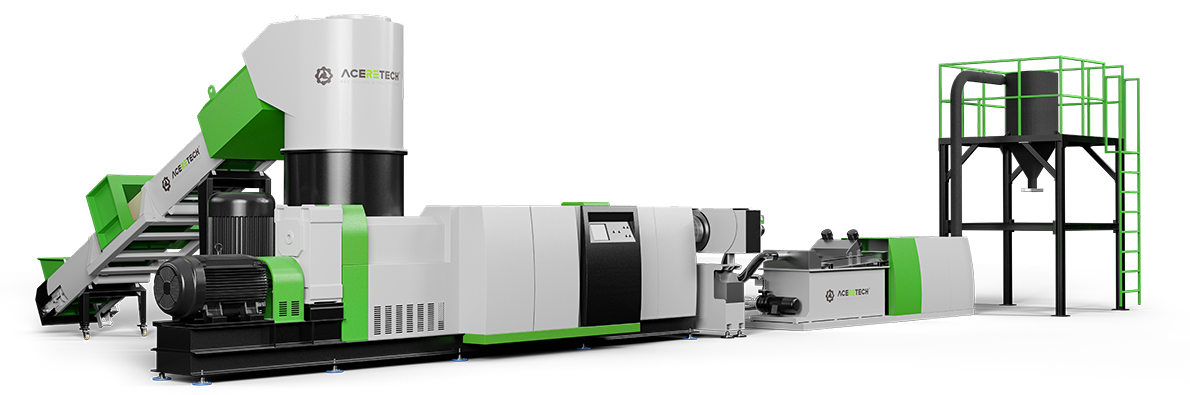
As a recycling equipment manufacturer, Aceretech focuses on solving the practical engineering problems that limit throughput and pellet quality in flexible plastic recycling. For low-density materials such as PE bubble wrap, the goal is not simply to melt the material, but to build a stable, continuous process from feeding to pellet output.
1). Pre-Compaction for Low-Density Bubble Wrap
Instead of relying on direct feeding into a standard extruder, Aceretech integrates pre-compaction to reduce the volume of bubble wrap before extrusion. In this stage, the material is cut, densified, and prepared for more consistent screw intake. This step is important because bubble wrap does not behave like a dense regrind. By reducing fluffiness and improving bulk density before extrusion, the system can support more stable and efficient processing.
2). Stable Feeding into the Extruder
Once pre-conditioned, the material is transferred into the extruder in a more controlled and continuous manner. This helps reduce bridging and feeding fluctuation, which are common when processing low-density flexible packaging waste through traditional hopper-based systems. For recyclers, stable feeding directly affects throughput consistency, melt pressure, and pellet quality.
3). Effective Vacuum Degassing
Because bubble wrap releases trapped air during melting, degassing is one of the most critical parts of the process. Aceretech systems are designed with vacuum degassing capability to help remove air, moisture, and other volatiles from the melt stream more effectively.
This improves pellet density, appearance, and downstream processability, especially when processing bubble wrap or other soft PE packaging materials that tend to introduce gas into the extrusion stage. For a broader discussion of this topic, Aceretech also explains why the degassing system is important in the plastic pelletizing process, as well as common defect mechanisms in why bubbles appear in recycled plastic pellets.
4). Continuous Melt Filtration
When bubble wrap waste includes tape, labels, or other impurities, melt cleanliness becomes another critical factor. Aceretech integrates continuous screen changing systems to support stable filtration without frequent line stoppage. This is particularly important for processors handling post-industrial packaging waste that may not be perfectly clean or uniform.
5). Pelletizing Matched to Production Needs
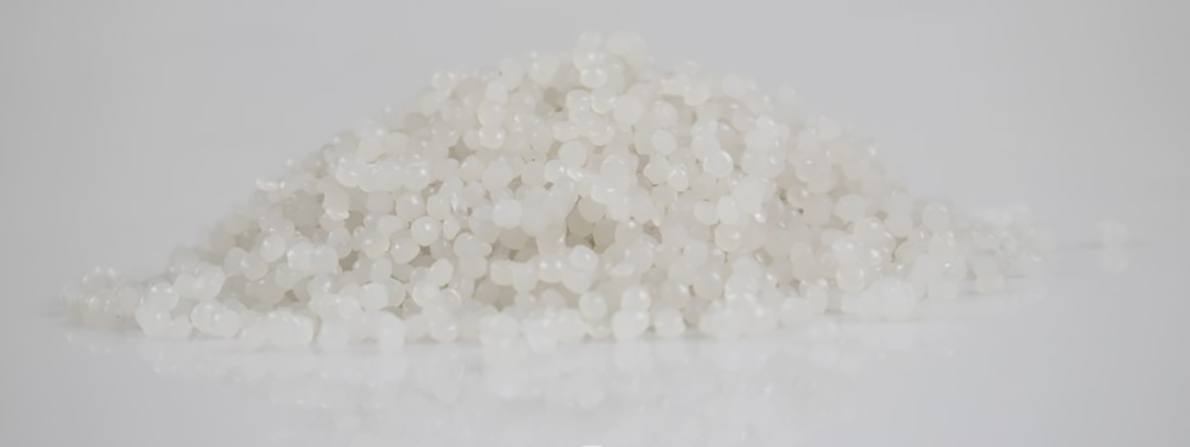
Depending on throughput and plant requirements, the recycling line can be matched with an appropriate pelletizing system to produce uniform recycled PE pellets for downstream reuse. The right pelletizing configuration helps improve pellet consistency and makes the recycled material easier to handle, store, and reintroduce into production.
6. Key Machine Features That Matter in Bubble Wrap Recycling
For processors evaluating equipment for PE bubble wrap recycling, the following machine features are especially important:
- Cutter Compactor or Pre-Densification Unit: Low-density bubble wrap usually needs to be conditioned before extrusion. A compaction stage helps improve feeding consistency and reduces the handling problems associated with bulky flexible waste.
- Feeding Design for Fluffy Material: Conventional feeding systems may struggle with bubble wrap. A line designed for flexible films should maintain stable material transfer into the screw.
- Vacuum Degassing Performance: Because trapped air is one of the main processing challenges, degassing should not be treated as an optional feature. It plays an important role in improving pellet solidity and reducing gas-related defects.
- Continuous Screen Changer: If the material stream includes labels, adhesive residue, or minor contamination, continuous melt filtration helps support stable operation and protect final pellet quality.
- Screw Configuration and L/D Ratio: The screw should be designed for flexible PE materials, allowing sufficient melting and homogenization without excessive shear or overheating.
7. Conclusion
PE bubble wrap can be recycled, but it is not an easy material to process efficiently. Its low bulk density, trapped air structure, and potential surface contamination create real challenges in feeding, degassing, and pellet quality control. For this reason, successful recycling depends less on basic polymer recyclability and more on whether the line is properly designed for flexible, low-density packaging waste.
For recyclers handling bubble wrap, air-cushion packaging, or similar PE film waste, an integrated system with pre-compaction, stable feeding, vacuum degassing, and continuous filtration can significantly improve process consistency and pellet quality.
If you are evaluating a recycling solution for PE bubble wrap or other flexible plastic waste streams, Aceretech can help assess your material condition and discuss a suitable pelletizing approach based on your throughput and processing requirements.
8. Common Questions Before Choosing a Bubble Wrap Recycling Line
Not always. Although PE bubble wrap is recyclable, its low bulk density and trapped air structure often make it more difficult to process than ordinary film scrap. In some cases, a standard film pelletizing line may struggle with feeding stability, throughput consistency, or gas removal. Whether it can be processed efficiently depends on the material format, contamination level, and the configuration of the recycling system.
In many cases, yes. Bubble wrap is bulky and lightweight, so direct feeding can lead to bridging, inconsistent screw intake, and unstable output. Pre-compaction is often used to reduce volume and improve feeding stability before extrusion. The exact need depends on how fluffy the material is, how it is collected, and what type of recycling line is being used.
This usually happens when trapped air, moisture, or volatiles are not removed effectively during the pelletizing process. Bubble wrap contains sealed air pockets, and when those pockets collapse during melting, gas is released into the melt stream. If degassing is insufficient, the final pellets may show porosity, bubbles, or unstable density. For a broader discussion of gas-related pellet defects, see Aceretech’s article on why bubbles appear in recycled plastic pellets.
It depends on the type and level of contamination. Bubble wrap with light printing, labels, tape residue, or dust may still be recyclable, but these factors can increase the burden on degassing and melt filtration. In some cases, direct pelletizing may be possible; in others, additional pre-treatment may be recommended based on the material condition and final pellet quality requirement.
In many cases, yes. Compared with ordinary PE film scrap, bubble wrap usually has lower bulk density and carries a larger volume of trapped air, which makes feeding and degassing more challenging. That is why a configuration that works for standard film may not always deliver the same stability when processing bubble wrap.