As the demand for PET and RPET sheets continues to grow across the food packaging, thermoforming, medical packaging, and consumer goods industries, investing in the right PET sheet extrusion line has become increasingly important.
However, not all PET sheet extrusion equipment is suitable for the same materials, production capacities, or end products. Factors such as raw material quality, output volume, sheet thickness, and future business expansion plans all significantly influence equipment selection.
This guide details the key factors that manufacturers should evaluate before investing in a PET sheet production line.
Step 1: Define the Raw Material Type
The primary consideration is the material you plan to process.
1. Virgin PET Resin
Suitable for:
High-clarity packaging
Premium packaging products
Medical packaging applications
Advantages:
Good processing stability
Excellent transparency
Consistent quality
2. Recycled PET Pellets (RPET)
Suitable for:
Food packaging
Thermoformed trays
Sustainable packaging products
Advantages:
Lower material costs
Reduced environmental impact
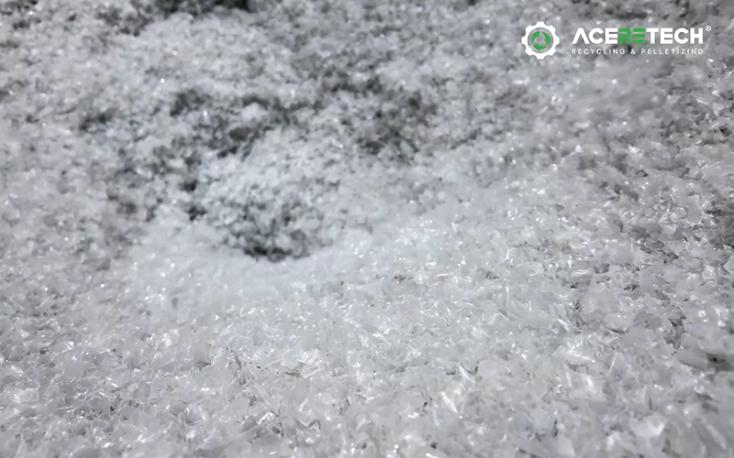
3. PET Bottle Flakes
Suitable for:
"Bottle-to-sheet" recycling projects
Circular economy initiatives
Advantages:
Maximum material savings
Reduced production costs
If processing bottle flakes directly, the extrusion line must be equipped with advanced drying, filtration, and vacuum degassing systems.
Step 2: Determine Required Production Capacity
Output volume directly affects equipment scale and investment budget.
Common capacity ranges include:
Production Capacity Suitable For
300–500 kg/h Small-scale production
500–800 kg/h Medium-sized manufacturers
800–1500 kg/h Large-scale packaging producers
1500+ kg/h Industrial-scale operations
When selecting capacity, consider:
Current market demand
Future expansion plans
Available factory space
Energy consumption targets
Operating a production line at full capacity for extended periods may limit future business growth.
Step 3: Define Sheet Specifications
Different applications have varying requirements for sheet performance.
Sheet Thickness
Common ranges:
0.2–0.5 mm
0.5–1.0 mm
1.0–2.0 mm
Sheet Width
Common widths:
600 mm
800 mm
1000 mm
1200 mm
1500 mm
Number of Layers
Options include:
Single-layer PET sheet
ABA structure sheet
Multi-layer sheet
Multi-layer structures are typically employed to increase the proportion of recycled material used while maintaining surface quality.
Step 4: Evaluating Drying Technology
PET is highly sensitive to moisture; moisture content must be reduced to extremely low levels prior to extrusion.
Inadequate drying can lead to:
Bubbles
Yellowing
Reduction in intrinsic viscosity (IV)
Surface defects
Deterioration of mechanical properties
An efficient dehumidifying drying system is crucial for stable sheet production.
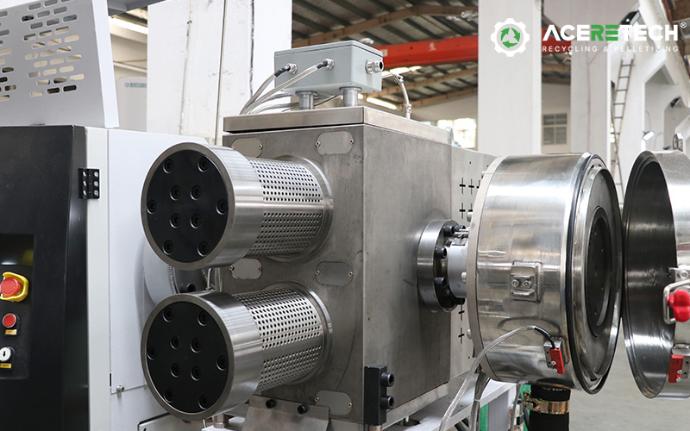
Step 5: Focus on Melt Filtration Performance
Contaminant control is critical when processing recycled PET.
High-quality filtration systems remove:
Paper residue
Aluminum particles
Dust
Polymer impurities
Superior filtration results in:
Higher transparency
Fewer defects
Extended tool life
A more stable production process
This is particularly important when processing PET bottle flakes.
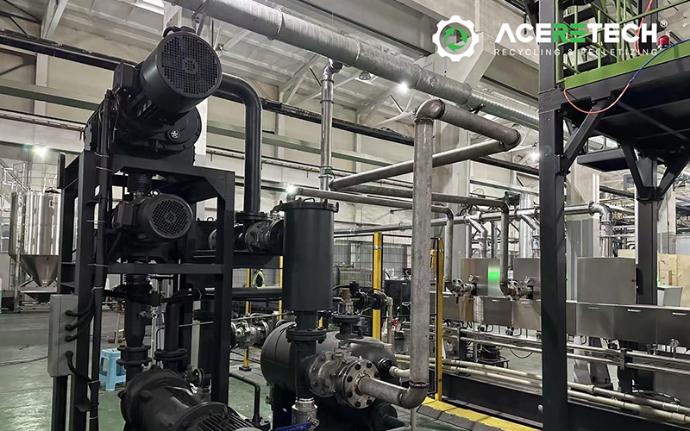
Step 6: Verify Vacuum Degassing Capability
Vacuum degassing is one of the most critical technologies in the PET sheet extrusion process.
Its advantages include:
Moisture removal
Elimination of volatiles
Enhanced transparency
Improved sheet appearance
Stabilized extrusion pressure
For recycled PET (rPET) applications, an efficient degassing process can significantly improve the quality of the final product.
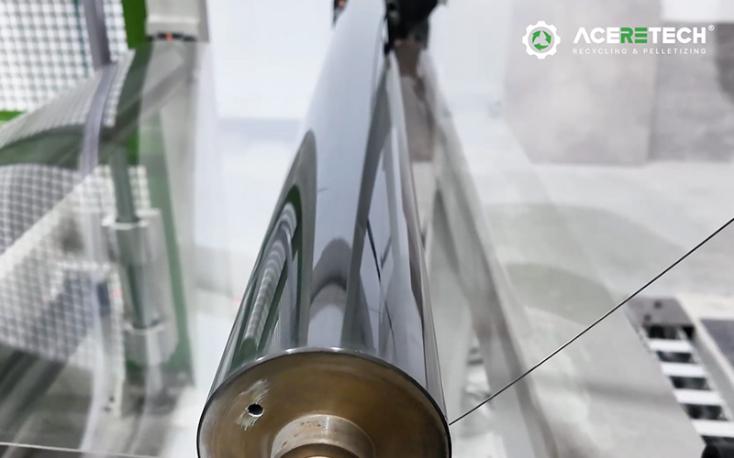
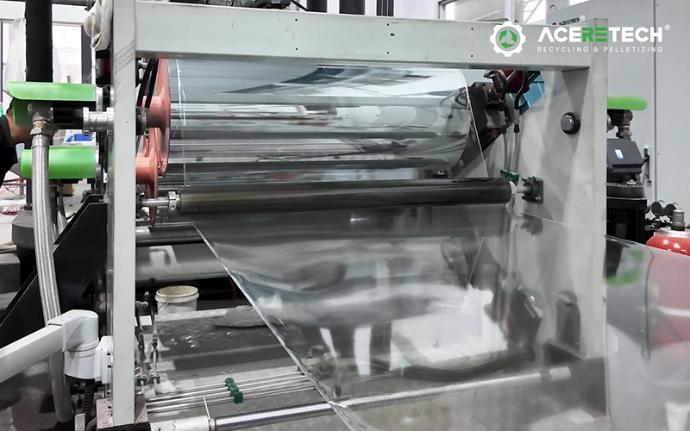
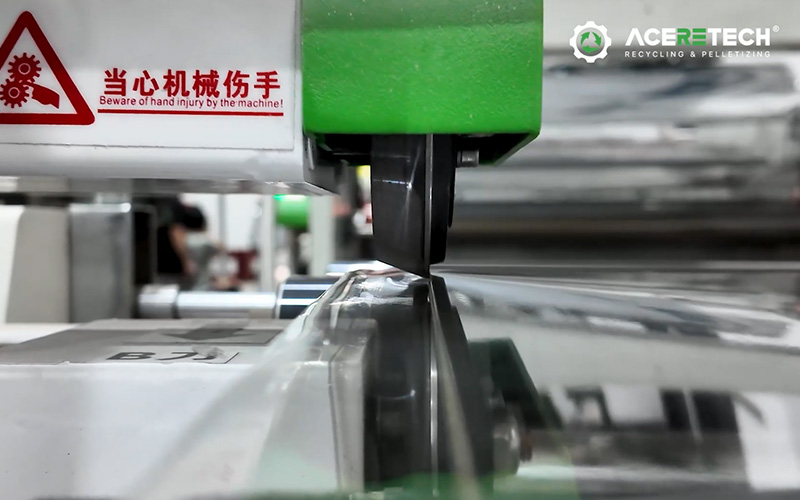
Step 7: Evaluate Thickness Control Precision
Packaging manufacturers typically require a high degree of uniformity and consistency in sheet thickness.
Look for systems featuring:
Automatic thickness monitoring
Precision calendering control
Stable extrusion output
Advanced automation systems
Precise thickness control helps reduce material waste and improve product consistency.
Step 8: Consider Energy Efficiency
Energy costs are a major operational expense. Modern PET sheet extrusion lines are typically equipped with:
High-efficiency motors
Intelligent temperature control
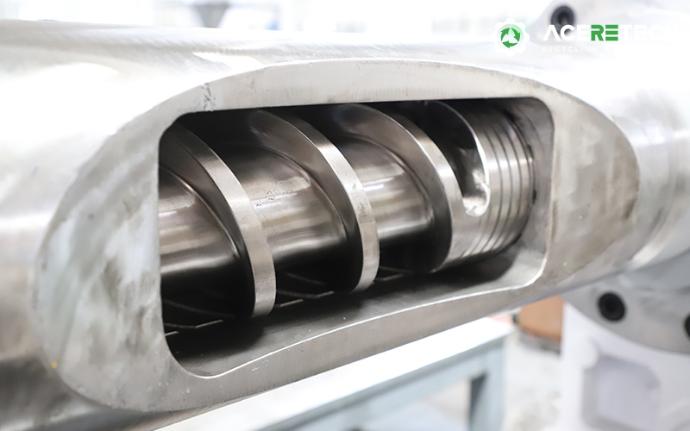
Optimized screw designs
Energy-saving heating systems
Reducing energy consumption can significantly boost long-term profitability.
Step 9: Evaluate the level of automation and ease of operation
Highly automated extrusion lines reduce labor requirements and improve production consistency. Key features include:
PLC control systems
Touchscreen interfaces
Recipe management
Automatic fault diagnosis
Remote support capabilities
The value of automation becomes increasingly apparent as production scales up.
Step 10: Select a supplier with comprehensive PET expertise
Many equipment suppliers offer only extrusion machinery; however, the quality of PET sheet is influenced by the entire recycling process.
Choose a supplier with expertise in the following areas:
PET bottle recycling
PET washing
PET pelletizing
PET sheet extrusion
This helps ensure superior system integration and production stability.
Conclusion
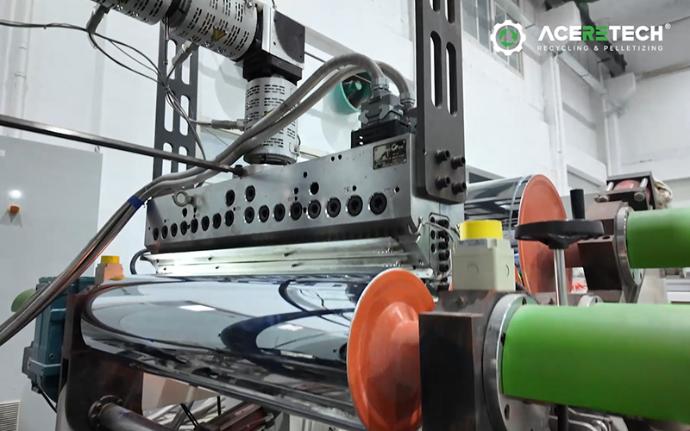
Selecting the right PET sheet extrusion line involves far more than simply choosing a machine that meets output targets. Material type, drying performance, filtration quality, degassing efficiency, automation levels, and future production goals all play crucial roles in achieving long-term success.
A well-configured PET sheet extrusion system enables manufacturers to enhance product quality, reduce operating costs, and maximize the value of recycled PET materials.
Related Articles
PET bottle washing solutions
PET flake pelletizing solutions
PET sheet extrusion solutions
FAQ
A: Raw material type is usually the most critical consideration. Virgin PET, RPET pellets, and PET bottle flakes each have different processing requirements.
A: Yes. Modern PET sheet extrusion lines can directly process properly washed and dried PET bottle flakes.
A: The ideal capacity depends on current demand, future expansion plans, and existing factory resources.
A: Vacuum degassing removes moisture and volatile substances, thereby improving sheet transparency and production stability.
A: The use of high-quality PET flakes, high-efficiency drying systems, advanced filtration technology, and vacuum degassing technology can significantly improve sheet quality.
A: Multi-layer structures are popular in packaging applications because they allow for higher utilization of recycled materials while maintaining a high-quality surface appearance.