[Summary] Yes, plastic recycling is highly sustainable when implemented with high-efficiency technology. It significantly reduces carbon emissions, saves energy compared to virgin resin production, and aligns with global ESG (Environmental, Social, and Governance) goals. By closing the loop on plastic waste, manufacturers can achieve a profitable circular economy while meeting international regulatory standards for recycled content.
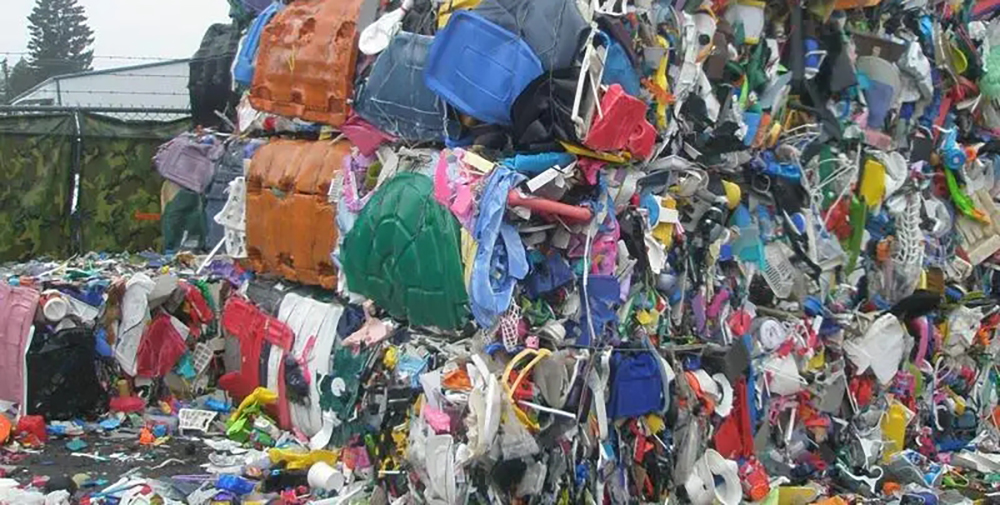
Beyond Greenwashing: The Real Impact of Plastic Recycling
To evaluate the sustainability of plastic recycling, we must look at the data-driven benefits:
- Energy Savings: Recycling plastic consumes up to 88% less energy than producing virgin plastic from raw oil.
- Carbon Reduction: Every ton of recycled plastic saves approximately 1.5 to 2 tons of CO2 emissions.
- Resource Conservation: It reduces the global dependency on fossil fuels, turning waste into a valuable industrial feedstock.
Challenges to Sustainability—and How to Overcome Them
Sustainability is only possible if the recycling process is efficient. Common hurdles include:
- Contamination: High impurity levels can make recycling economically unviable.
- Degradation: Poor machinery causes "thermal degradation," reducing the material’s lifespan.
- Operational Waste: If the recycling machine itself consumes too much water or energy, the "sustainability" is compromised.
[Aceretech Solution]:
Our [ACS-H™ Series] optimizes energy consumption through integrated compacting, ensuring that the recycling process remains both environmentally and financially sustainable.
The Regulatory Push: Why Sustainability is Now a Requirement
Global regulations are transforming sustainability from a "choice" into a "legal necessity":
- EU Plastic Packaging Tax: Heavy taxes on non-recycled plastic packaging.
- Mandatory PCR Content: Many regions now require products to contain at least 25-30% Post-Consumer Resin (PCR).
- Corporate ESG Goals: Major brands (Nike, Coca-Cola, etc.) are demanding high-quality recycled pellets to fulfill their zero-waste pledges.
Profitability in Sustainability: The ROI of Recycling
Sustainability shouldn't be a cost—it should be a profit center. Modern granulation technology allows recyclers to produce pellets that rival virgin resin in quality, enabling:
- Higher Market Prices: High-purity PCR pellets command premium prices.
- Reduced Raw Material Costs: Replacing virgin resin with in-house recycled scrap significantly boosts margins.
Deepen Your Sustainability Strategy
Sustainability is a journey of continuous optimization. Explore our in-depth analyses on market trends, advanced technologies, and real-world success stories to build your profitable circular economy:
Strategic Trends & Global Perspectives
- [The Next 5 Years: Global Plastics Recycling Industry Trends]:
Reshaping the future—opportunities and challenges in the evolving market. - [Global Perspective on PET Recycling]:
Understanding the worldwide landscape and regulatory environment of PET. - [Waste Plastics Recycling for a Sustainable Environment]:
Exploring the fundamental necessity of recycling for our planet's future.
Technical Excellence & Green Solutions
- [Achieving Premium PCR: Odor Removal Technology Implementation]:
How integrated Piovan technology unlocks high-value, odor-free recycling applications. - [Rigid Plastic Recycling: A Green Circular Path]:
From shredding to pelletizing—the complete technical workflow for rigid plastic circularity. - [Beyond Crushing: How Plastic Pulverizers Unlock Value]:
Maximizing material efficiency for high-end industrial recycling.
High-Value Markets & Case Studies
- [Food-Grade PET Recycling: The Peak of Sustainability]:
Why food-contact safety is the ultimate goal for PET circularity and carbon reduction. - [Driving the Circular Economy: Success Story in Guatemala]:
See how Aceretech equipment empowers real-world sustainable production in Central America.